The fragile ceasefire between Israel and Tehran is under severe strain as renewed Israeli raids on Lebanon shake the region, sparking mourning and escalating tensions. The United Nations human rights chief, Volker Turk, has condemned the attacks on Lebanon as “horrific,” highlighting the humanitarian crisis unfolding just days after a ceasefire agreement aimed at de-escalating hostilities.
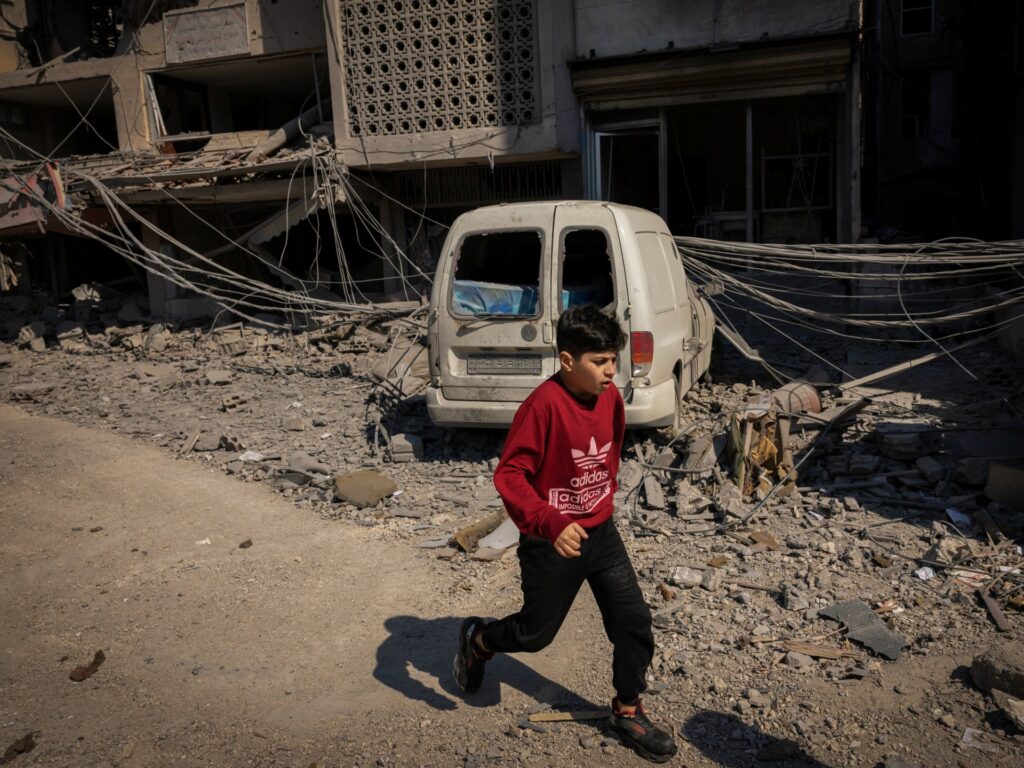
Lebanon finds itself once again in the crossfire of regional conflict. The recent Israeli airstrikes have not only caused significant damage on the ground but have also triggered widespread grief among the Lebanese population. Families mourn their lost loved ones while communities grapple with the disruption of everyday life amid the ongoing violence.
This resurgence of conflict complicates the already fragile diplomacy surrounding the ceasefire brokered under the Trump administration’s former Middle East policies, which sought to curb Tehran’s influence in the region. Despite hopes for peace, the strikes signal a potential unraveling of previously negotiated agreements and a return to hostility.
The United Nations has called for immediate cessation of hostilities to prevent further civilian casualties and to restore peace. Volker Turk emphasized the urgent need for dialogue and adherence to international law to safeguard human rights and security for affected populations.
In Lebanon, emergency services are stretched thin as they tend to the wounded and assess damage. Hospitals report influxes of injured civilians, and humanitarian organizations face challenges executing relief efforts amid the ongoing conflict.
International reactions have ranged from calls for restraint to expressions of concern about the broader implications of the raids for Middle East stability. Analysts warn that continued violence could destabilize not only Lebanon and Israel but also exacerbate tensions with Iran and other involved parties.
The strikes underscore the volatile nature of Middle East geopolitics, where ceasefires remain fragile and peace dividends elusive. For Lebanon, the path forward will require determined diplomacy, international support, and mechanisms to enforce ceasefire terms effectively.
As Lebanon mourns and the region watches with apprehension, the imperative grows for renewed commitment to peace, robust protection of civilians, and renewed diplomatic engagement to prevent a wider conflagration. The coming weeks will be critical in determining whether recent violence remains contained or escalates into broader conflict affecting the broader Middle East landscape.