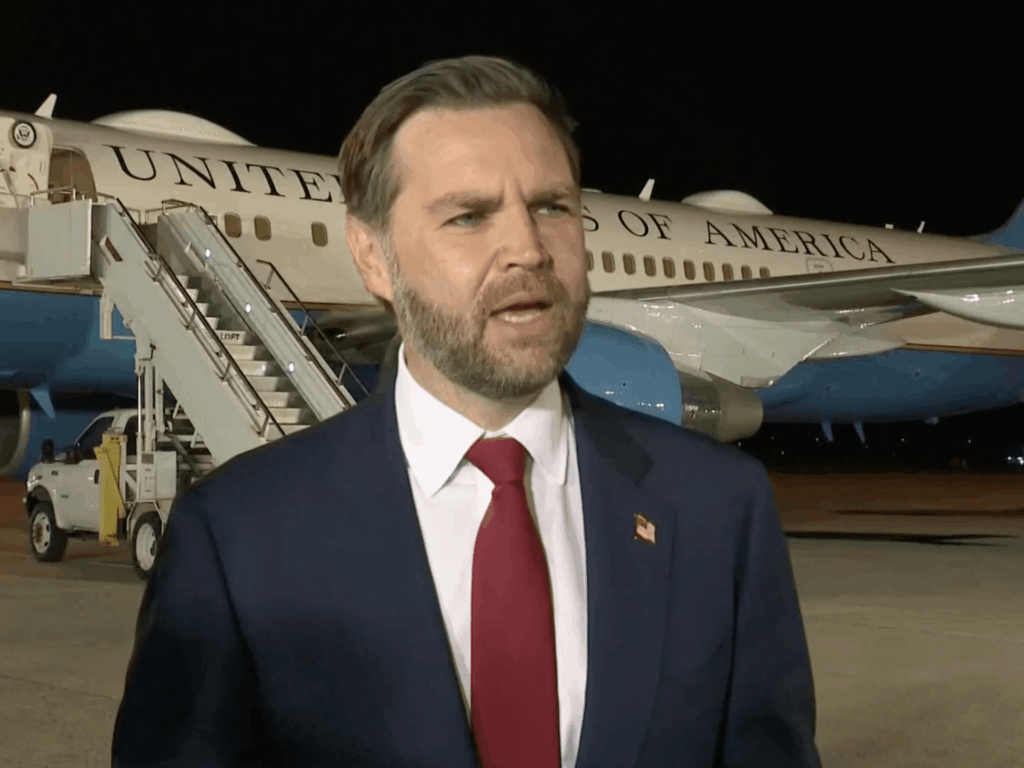
In a recent statement, US Vice President JD Vance clarified that Lebanon is not considered part of the ceasefire agreement between the United States and Iran. This announcement highlights the ongoing complexities in Middle Eastern diplomacy and the nuanced stance of the US in regional conflicts.
The US-Iran ceasefire, aimed at reducing tensions and violence between the two nations, does not extend its terms to Lebanon, a country often caught in the crossfire of regional power struggles. Vance emphasized that Lebanon’s unique political and security situation requires a separate approach beyond the scope of the US-Iran deal.
Lebanon, with its intricate political system and the presence of various factions including Hezbollah, poses distinct challenges for peace and stability in the region. The US administration’s position reflects a careful deliberation over Lebanon’s role and influence in the broader Middle East geopolitical landscape.
This development follows ongoing efforts by the international community to mediate peace and reduce hostilities in the region. The exclusion of Lebanon from the ceasefire agreement indicates that US policy-makers are considering tailored solutions for different countries and conflicts within the Middle East.
Experts note that while the ceasefire between the US and Iran might ease bilateral tensions, Lebanon’s internal dynamics and its external influences require targeted diplomatic and security strategies. The continuation of arms smuggling, ideological conflicts, and proxy engagements within Lebanon remains a concern for US foreign policy.
JD Vance’s statement signals a recognition of Lebanon’s complex role and the need for distinct policy measures that do not undermine the ceasefire’s objectives with Iran. It also underscores that peace processes in the Middle East must account for diverse national circumstances rather than adopt one-size-fits-all approaches.
The US Vice President’s comments are likely to influence ongoing diplomatic negotiations and may affect US interactions with both Lebanon and Iran moving forward. With regional security hanging in a delicate balance, Washington’s stance could shape future frameworks for peace and conflict resolution in the Middle East.
Overall, the exclusion of Lebanon from the US-Iran ceasefire agreement reflects the intricate realities of Middle East diplomacy and the necessity for differentiated strategies in addressing multifaceted conflicts. As the situation evolves, ongoing vigilance and nuanced policy responses will be critical for advancing stability and peace in the region.