On the heels of a recent ceasefire agreement between the United States and Iran, Israel launched a significant military strike against targets in Lebanon. This development has raised concerns about stability and the dynamics of the region, prompting analysis from geopolitical experts and observers.
The background to this event is complex, driven by longstanding tensions in the Middle East between Israel and Iranian-backed groups in Lebanon, primarily Hezbollah. The ceasefire between the US and Iran, aimed at de-escalating broader regional conflicts, appears to have not deterred Israel from taking decisive military action.
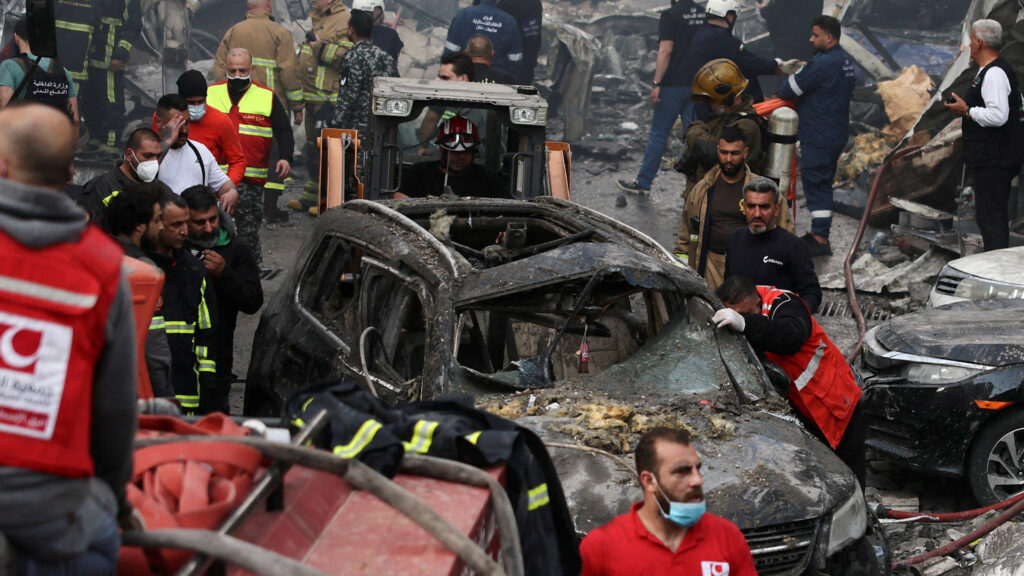
Israel’s strikes reportedly targeted Hezbollah positions in Lebanon, which Israel accuses of being responsible for increased hostilities along its northern border. These bombardments are among the most intense in recent weeks, suggesting a significant escalation despite diplomatic efforts elsewhere.
Experts interpret Israel’s actions as a signal that it will continue to assertively defend its national security interests, even in the wake of US-Iran diplomacy. The military operations aim to deter Hezbollah’s capabilities and send a message that attacks or provocations will be met with a strong response.
Lebanon’s fragile political environment complicates the situation further. The strikes can exacerbate internal divisions and potentially undermine the Lebanese government’s efforts to maintain control and stability within its borders.
International reactions have been mixed. While some countries call for restraint and dialogue, others support Israel’s right to self-defense against armed groups they designate as terrorist organizations.
There is a growing concern that the conflict could spiral into a broader confrontation if not carefully managed. The US-Iran ceasefire, while a positive step, does not directly address the Israeli-Lebanese front where proxy conflicts often flare up.
Additionally, the strikes coincide with heightened diplomatic activity in the region, including efforts to strengthen alliances and negotiate peace frameworks. Observers are closely watching how these military actions will influence ongoing and future negotiations.
The situation highlights the complexities of Middle Eastern geopolitics where multiple overlapping conflicts and alliances challenge peace efforts.
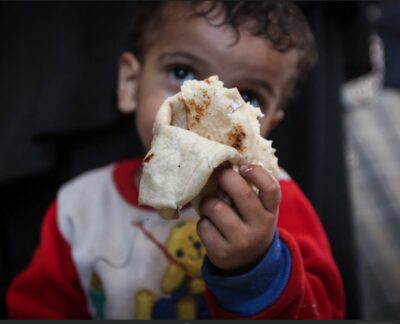
For residents on both sides, the immediate impact translates into security fears, displacement, and casualties—elements that deepen the humanitarian crises that plague the region already.
In summary, Israel’s strikes on Lebanon amid the US-Iran ceasefire underscore the fragile nature of peace in the Middle East. They reflect unresolved tensions, the limits of diplomatic agreements, and the persistent volatility that characterizes this geopolitically critical area. Going forward, the international community faces the vital task of supporting measures that not only cease hostilities temporarily but foster sustainable peace and stability.