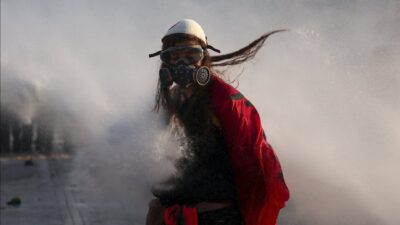
Beirut, Lebanon – In the wake of a series of intense air strikes launched by Israel on Beirut, the city now grapples with widespread devastation and despair. These strikes, which occurred just hours after an announced US-Iran ceasefire agreement, have reduced numerous homes to rubble, leaving many residents homeless and searching desperately for their loved ones.
The sudden escalation has shocked the international community, who had hoped the ceasefire between the United States and Iran would ease tensions in the region. Instead, the bombing campaign by Israel has sparked chaos and destruction in Beirut, compounding the existing hardships faced by the city’s inhabitants.
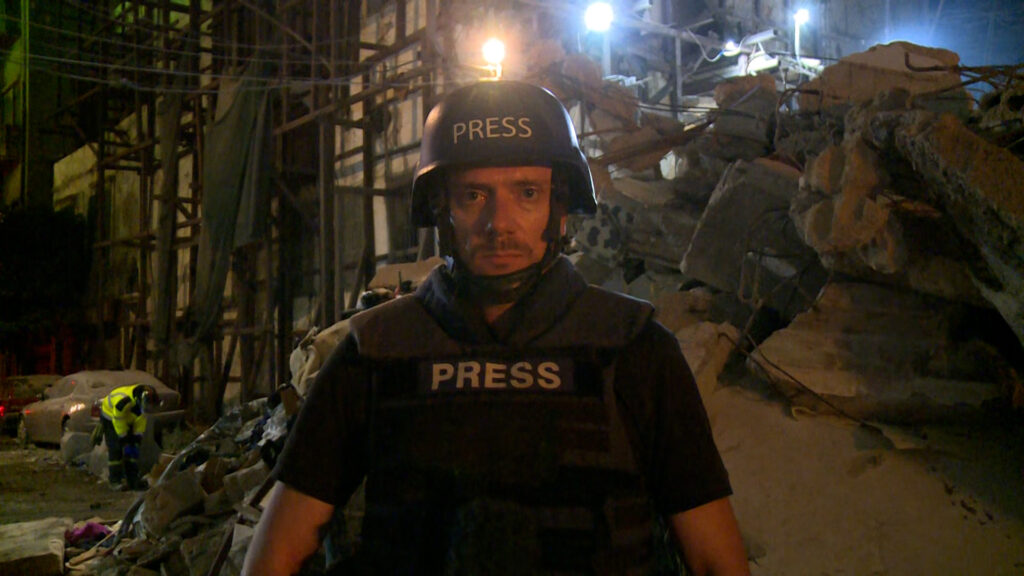
Local authorities report that several residential neighborhoods have been heavily damaged. Emergency services are stretched thin as they work tirelessly to rescue survivors trapped beneath collapsed buildings. Hospitals are overwhelmed with the influx of injured civilians, many of whom require urgent medical attention.
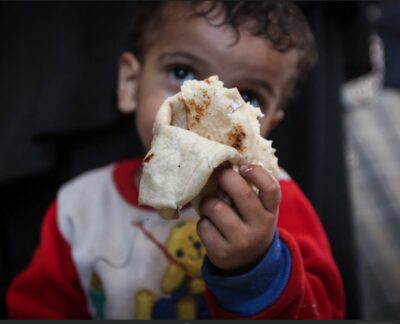
Residents describe scenes of devastation, with entire blocks reduced to rubble and dust. Families who lost their homes now face uncertain futures amid the ruins. Many are displaced, seeking shelter wherever they can find it, while volunteers and humanitarian organizations mobilize to provide aid and support.
The attacks appear to be a response to ongoing regional tensions, with Israel targeting strategic locations in Beirut. However, the level of damage to civilian infrastructure has raised concerns about the indiscriminate nature of the strikes and the toll on innocent lives.
International leaders have called for an immediate cessation of hostilities and urged both sides to return to dialogue. The United Nations has expressed deep concern over the humanitarian crisis unfolding in Beirut and is coordinating efforts to deliver emergency assistance.
Experts warn that the recent bombings risk exacerbating the fragile security situation in the Middle East, potentially leading to further conflict. The timing of the air strikes, so soon after a major diplomatic breakthrough, underscores the volatile nature of alliances and enmities in the region.
As Beirut begins to assess the full extent of the destruction, the resilience of its people is on display. Community members are banding together to clear debris, share resources, and offer comfort amidst the tragedy.
The path to recovery will be long and fraught with challenges, requiring substantial international cooperation and support. The world watches closely, hoping that peace can ultimately prevail in this enduringly troubled region.