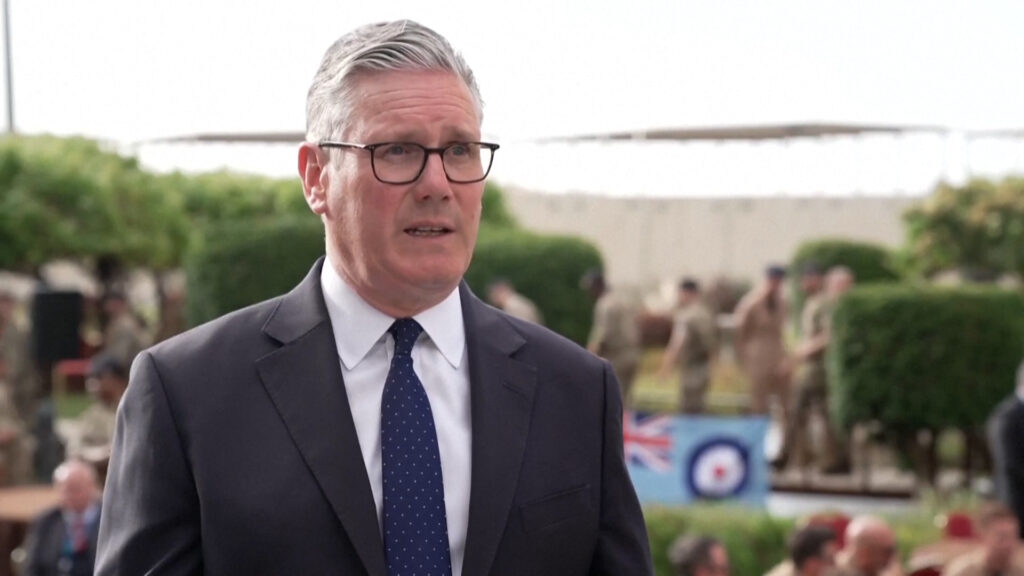
British Prime Minister Keir Starmer has emphasized that significant efforts remain to reopen the Strait of Hormuz following the ceasefire agreement between the United States and Iran. The Strait of Hormuz, a crucial maritime chokepoint that facilitates a substantial portion of the world’s oil shipments, has been a hotspot for geopolitical tension, affecting global energy markets and shipping security.
The recent ceasefire between the US and Iran marks a positive step towards reducing hostilities in the region, but Starmer cautions that reopening the strait fully will require ongoing diplomatic work and confidence-building measures. “There is still a lot of work to do to ensure that the strait is safe and open for all maritime traffic,” he stated during a recent press briefing.
The Strait of Hormuz, located between the Persian Gulf and the Gulf of Oman, is a strategic corridor through which approximately 20% of global petroleum passes. It has been subject to various disruptions due to conflicts and tensions between regional actors and global powers.
Starmer’s remarks come amid international efforts to stabilize the region and normalize relations following years of friction and occasional confrontations. The British government is reportedly working closely with allies and regional partners to support a lasting peace and secure navigation rights in the strait.
In recent months, the US and Iran engaged in indirect talks to de-escalate tensions, culminating in a ceasefire that has reduced the risk of naval incidents and attacks on shipping vessels. However, maritime experts warn that mistrust still lingers, and ensuring the strait’s security will depend on consistent enforcement of agreed terms and transparent communication.
Economic implications are significant, as disruptions in the Strait of Hormuz have previously led to spikes in oil prices and tightening of energy supplies worldwide. Starmer underscored that reopening the strait is not only vital for regional stability but also for global economic recovery, particularly in the context of post-pandemic market fluctuations.
The British Prime Minister also highlighted the need for multilateral cooperation and the involvement of international maritime organizations to monitor and safeguard shipping lanes. He advocated for enhanced surveillance and rapid response mechanisms to prevent future escalations.
In summary, while the ceasefire between the US and Iran offers a hopeful outlook, reopening and securing the Strait of Hormuz remains a challenging endeavor. Continued vigilance, diplomatic engagement, and cooperation among global stakeholders are imperative for achieving sustainable peace and stability in this critical region.