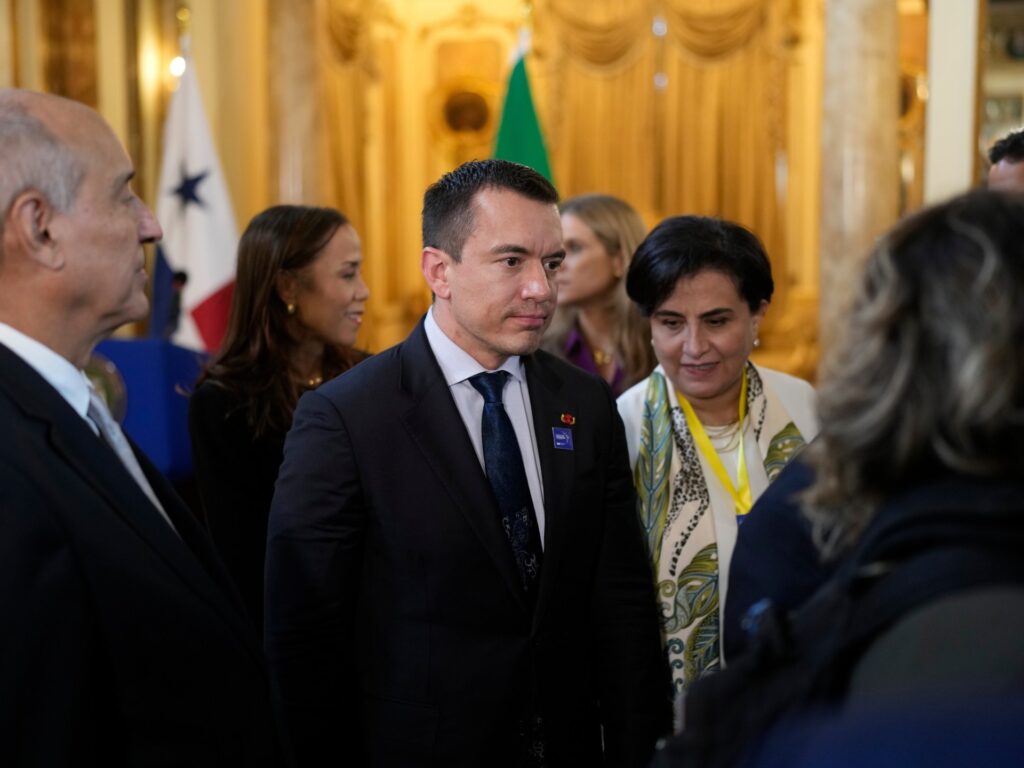
In a significant diplomatic move, Ecuador has recalled its ambassador from Colombia, escalating tensions between the two neighboring countries. This decision follows controversial comments made by Jorge Glas, a prominent Ecuadorian political figure, which have stirred diplomatic sensitivities.
Jorge Glas, known for his previous role as Vice President of Ecuador and closely associated with the country’s left-wing politics, made remarks that were perceived as provocative by Colombian authorities and political figures. While the specifics of the comments have not been fully detailed, their impact has been substantial enough to prompt Ecuador’s government to take the unusual step of recalling its ambassador.
This incident highlights the growing rift between Ecuador and Colombia, which is exacerbated by the differing political orientations of their current leaders. Ecuador is led by President Daniel Noboa, who is recognized as a right-wing politician, while Colombia’s President Gustavo Petro is a prominent left-wing figure. The ideological divide between Noboa and Petro is becoming increasingly apparent in their countries’ diplomatic interactions.
The decision to recall an ambassador is a serious diplomatic gesture signaling displeasure or protest. It can lead to cooling relations and decreased diplomatic communications between the affected countries. In this case, Ecuador’s move underscores its disapproval of the political climate fostered by comments like those from Jorge Glas, perceived as damaging to bilateral ties.
Diplomatic sources suggest that the incident could affect cooperation on various fronts, including trade, security, and migration, areas where Ecuador and Colombia have traditionally worked together. Both countries share a significant border and have complex interdependencies, making their relationship crucial for regional stability.
Analysts note that the move may be a strategy by President Daniel Noboa to assert a firm stance against Colombia’s left-wing government under Gustavo Petro. This could be seen as part of broader regional political dynamics, where right-wing and left-wing governments navigate a complex landscape of alliances and rivalries.
Observers are now watching for Colombia’s response, which could range from reciprocal diplomatic actions to efforts to de-escalate the situation through dialogue. The unfolding developments will be critical in shaping the future of Ecuador-Colombia relations.
In summary, Ecuador’s recall of its ambassador following Jorge Glas’s comments marks a clear sign of diplomatic strain influenced by the ideological divide between the countries’ leaderships. This episode reflects the challenges of maintaining neighborly relations amid contrasting political agendas and highlights the intricate nature of diplomacy in the Latin American region.