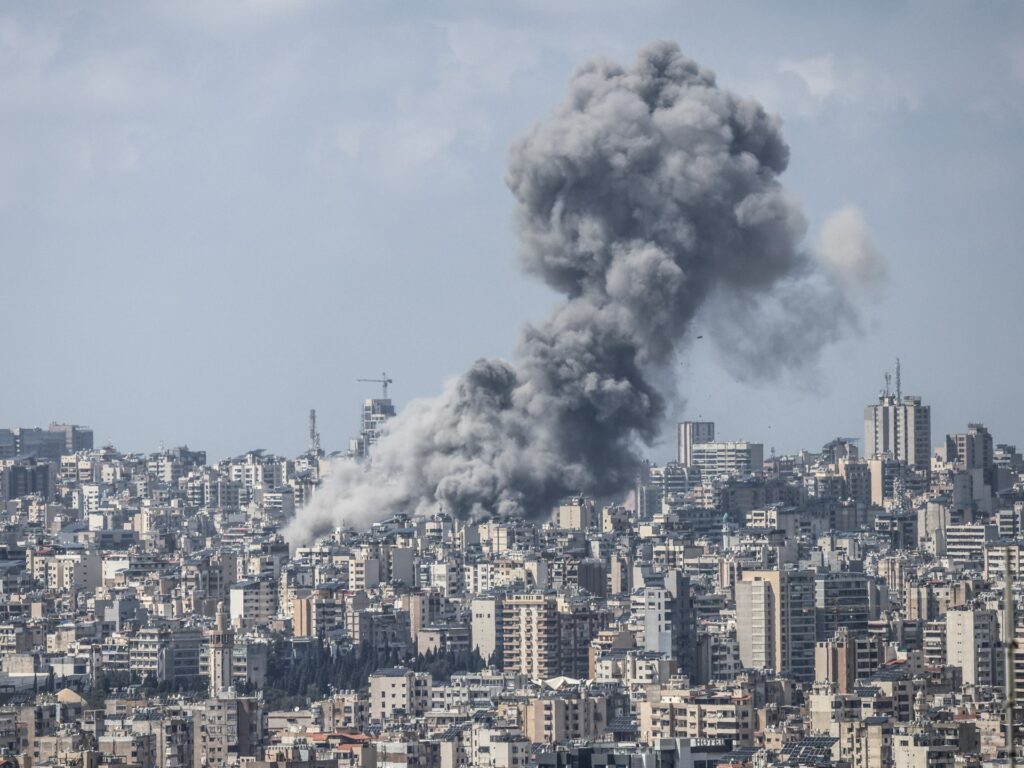
In a significant escalation of violence, Israeli forces have launched their largest coordinated strike across Lebanon since the renewal of hostilities with the country. The attacks, which came shortly after a ceasefire agreement between Iran and the United States, have resulted in at least 254 fatalities, causing widespread devastation and international alarm.
The Israeli military reported that the strikes targeted multiple locations within Lebanon, aiming to weaken militant groups operating within the region. This marks the most intensive military campaign conducted by Israel in Lebanon since the recent escalation of conflict.
According to Israeli defense officials, the operation was meticulously planned to dismantle key infrastructure and strongholds associated with militant factions. Despite the declared ceasefire between Iran and the US, which many hoped would reduce regional tensions, the situation on the ground has intensified, highlighting the fragile nature of peace in the region.
The Lebanese government and various international observers have condemned the Israeli attacks, calling for an immediate end to the violence and urging both sides to return to negotiations. Humanitarian agencies have expressed grave concern over the mounting civilian casualties and the worsening humanitarian crisis resulting from the strikes.
The conflict has revived fears of a wider regional confrontation, with many experts cautioning that the fighting could destabilize neighboring countries and exacerbate existing geopolitical rivalries. Diplomatic efforts are reportedly underway to contain the conflict and prevent further escalation.
In the wake of the strikes, emergency response teams have been deployed across Lebanon to assist with rescue operations and provide medical aid to the wounded. However, access to the most affected areas remains challenging due to ongoing hostilities and damaged infrastructure.
This surge in violence comes at a delicate time for the Middle East, as nations strive to maintain tenuous peace agreements and engage in dialogue aimed at fostering stability. The recent ceasefire between Iran and the US raised hopes for a de-escalation of armed conflicts in the region, but the renewed Israeli attacks have cast a shadow over these aspirations.
Global leaders have called for restraint and urged both Israel and Lebanon to seek peaceful resolutions to their disputes. The international community continues to monitor the situation closely, recognizing the potential consequences of prolonged conflict in this volatile region.
As the situation develops, attention remains focused on the humanitarian impact of the strikes and the prospects for a durable peace in Lebanon and beyond. The coming days will likely prove critical in determining the trajectory of this renewed conflict and the broader stability of the Middle East.