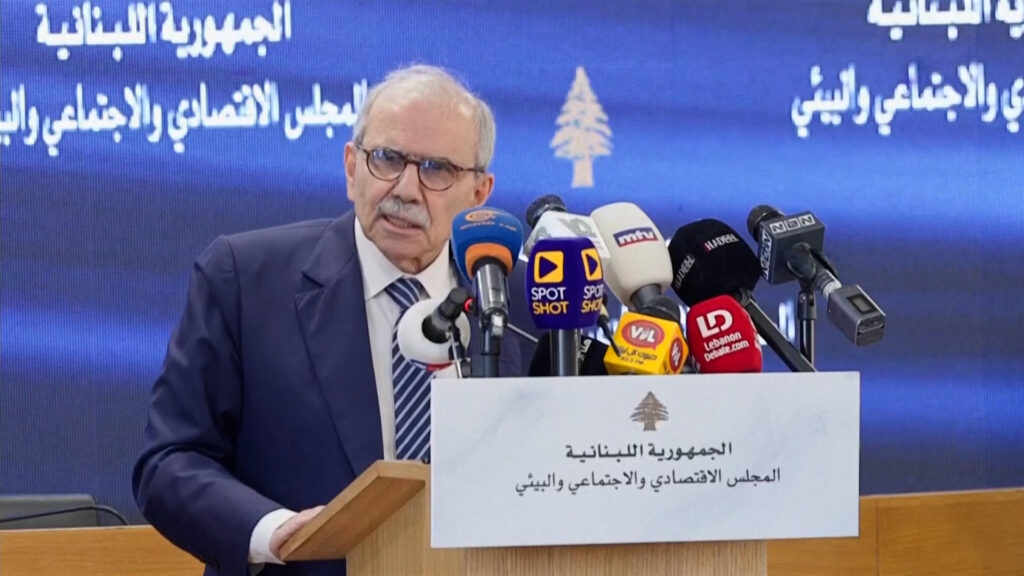
Lebanon’s Prime Minister Nawaf Salam has expressed cautious optimism following a recent ceasefire agreement reached between the United States and Iran. This development comes as Israeli airstrikes reportedly hit the capital city of Beirut, adding tension to an already volatile regional landscape.
The ceasefire deal emerged after prolonged negotiations between Washington and Tehran, aiming to ease escalating hostilities that have threatened to spill over into broader conflict. PM Salam’s welcoming of the truce signals a hopeful step toward reducing violence that has deeply affected Lebanon and its neighbors.
Despite the optimism surrounding the ceasefire announcement, Israeli strikes on Beirut underscored the fragile state of peace in the region. These airstrikes, reportedly targeting strategic sites, have caused concern for civilian safety and raised fears of further instability.
Lebanon, a country historically caught in the crossfire of regional conflicts, continues to face significant challenges due to its geopolitical position. The government and people have long dealt with the repercussions of repeated conflicts, internal political divisions, and economic hardships.
PM Salam’s response highlights the urgent need for continued dialogue and diplomatic efforts to maintain the ceasefire and prevent further escalations. His statement emphasized the aspiration for a peaceful resolution that ensures Lebanon’s sovereignty and security.
The ceasefire between the US and Iran is expected to open pathways for more comprehensive discussions addressing broader regional issues, including military de-escalation, economic cooperation, and humanitarian assistance.
International observers have welcomed the ceasefire as a potential turning point in one of the most volatile regions, although skepticism remains given the history of broken agreements and ongoing proxy conflicts.
Lebanon’s leadership is simultaneously working to bolster domestic stability to withstand external pressures. Efforts include strengthening national defense, improving emergency response capabilities, and fostering political unity.
The situation remains complex as regional actors continue to navigate alliances, rivalries, and strategic interests. The ceasefire could act as a catalyst for more enduring peace initiatives if all parties commit to honoring the agreement.
In the meantime, humanitarian organizations are calling for increased aid and protection for civilians affected by the recent violence. Ensuring access to essential services and medical care is critical as the population grapples with the impacts of renewed conflict.
The international community’s role remains pivotal in supporting Lebanon through diplomatic, economic, and humanitarian measures. Sustained engagement and coordinated efforts will be necessary to secure lasting peace and stability.
As the dust settles on the recent strikes, the eyes of the world remain fixed on Lebanon. The hope is that this ceasefire agreement marks the beginning of a new chapter focused on peace, reconstruction, and resilience for Lebanon and the broader Middle East region.
PM Nawaf Salam’s welcome of the US-Iran ceasefire serves as an important gesture toward de-escalation, signaling Lebanon’s commitment to peace despite the ongoing challenges posed by regional conflicts and external military actions.