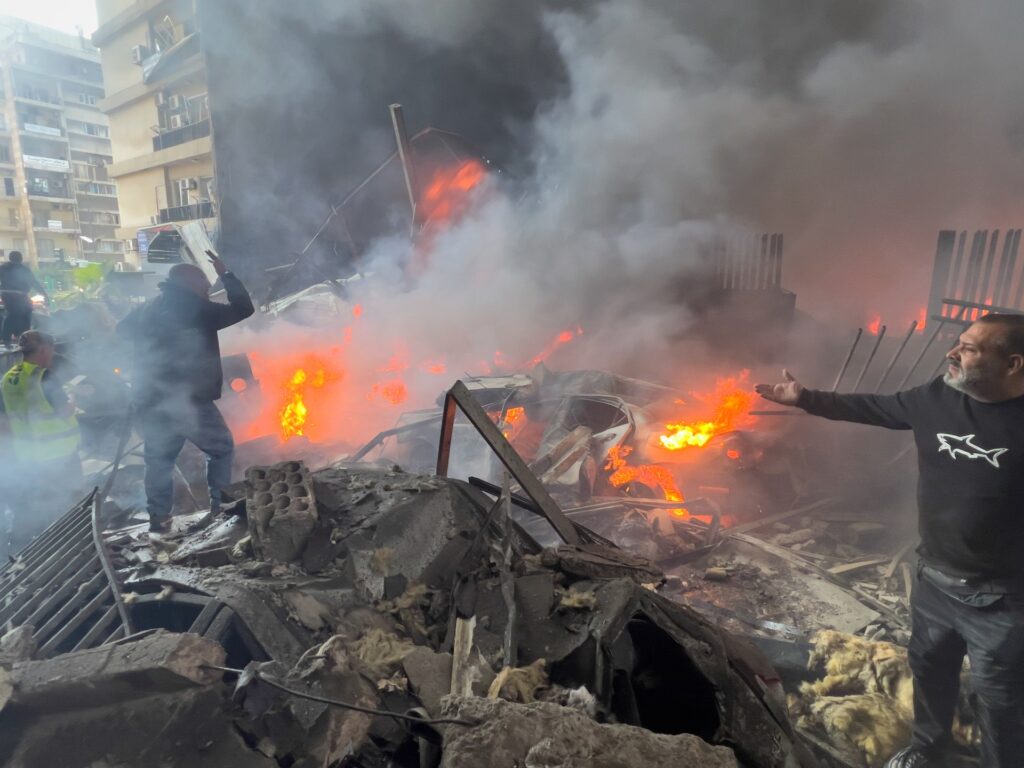
In a dramatic escalation of regional tensions, Israel has launched what is being described as its largest offensive against Lebanon in recent years. Within a span of just 10 minutes, Israeli forces carried out around 100 strikes across Lebanon, primarily targeting sites associated with Hezbollah and other militant groups. The swift and intense bombardment has caused significant damage and led to a humanitarian crisis, with local health officials reporting that hospitals are overwhelmed with casualties.
The Lebanon Ministry of Health has confirmed that the sudden influx of wounded individuals has stretched hospital capacity to the limit, prompting calls for international humanitarian assistance. Emergency responders are struggling to cope with the high number of injured civilians as well as combatants caught in the conflict.
This large-scale Israeli attack comes amid delicate negotiations and an apparent ceasefire agreement between the United States and Iran, which includes provisions intended to prevent further escalation in the region. Despite these diplomatic efforts aimed at maintaining stability, the renewed violence between Israel and Lebanese-based forces underscores the fragility of the ceasefire.
Military analysts suggest that Israel’s airstrikes were a calculated response to perceived threats along its northern border, aiming to degrade Hezbollah’s military infrastructure and deter future cross-border attacks. However, the rapid succession of strikes and the scale of the operation have alarmed international observers and raised concerns about a broader regional conflagration.
The United States, a key ally of Israel, has urged restraint but has expressed understanding of Israel’s security concerns. Meanwhile, Iran, which supports Hezbollah, has condemned the Israeli actions and warned of potential retaliatory measures, further heightening fears of escalation.
The ongoing conflict has destabilized the already fragile political and economic landscape in Lebanon, which has been grappling with a severe financial crisis and widespread social unrest. The influx of casualties and destruction of infrastructure exacerbate the country’s humanitarian challenges.
Regional leaders and the United Nations have called for immediate de-escalation and a return to diplomatic dialogue. The international community remains deeply concerned about the potential for the conflict to spiral out of control, drawing in additional parties and triggering a wider war in the Middle East.
As the situation develops, reports continue to emerge detailing the extent of damage and the human toll. Aid organizations are mobilizing to provide emergency relief, but access to affected areas remains complicated by ongoing hostilities and security concerns.
This latest episode in the long-standing Israeli-Lebanese conflict highlights the persistent volatility of the region and the difficulties in enforcing ceasefires in a landscape marked by deep-seated animosities and proxy influences. Observers stress the urgent need for renewed peace efforts to prevent further bloodshed and to address the underlying political issues fueling the violence.