Hours after the United States and Iran announced a two-week ceasefire agreement aimed at de-escalating tensions in the Gulf region, several attacks have been reported in the United Arab Emirates, Kuwait, and Bahrain. These incidents raise concerns about the stability and security of the broader Gulf area amid ongoing regional friction.
The ceasefire declaration between the US and Iran was initially seen as a hopeful step toward decreasing hostilities and promoting dialogue. However, the recent attacks signal the presence of continued unrest, complicating diplomatic efforts and threatening economic and political stability.
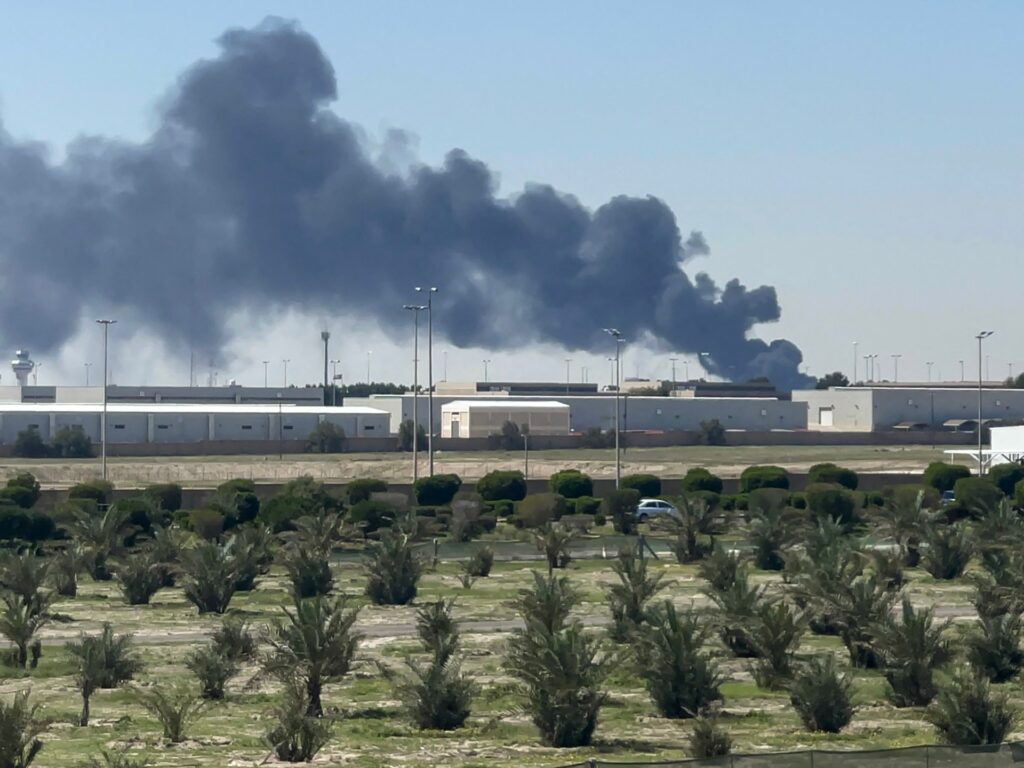
Reports from the UAE, Kuwait, and Bahrain indicate a series of strikes targeting various locations. Although detailed information on casualties or the scale of damage remains limited, initial assessments describe the attacks as coordinated assaults likely linked to broader geopolitical disputes involving regional and external actors.
The Gulf region is a critical juncture for global energy supplies, and any conflict or disruption affects not only local states but also international markets. The attacks come at a time when the global community is closely watching the outcome of diplomatic engagements and ceasefire enforcement in the Middle East.
Experts suggest that despite public announcements, hardline factions and proxy groups continue to operate with relative autonomy, potentially undermining official ceasefire agreements. The presence of complex alliances and animosities between state and non-state actors in the Gulf complicates the enforcement and durability of any truce.
In response to the attacks, the governments of the UAE, Kuwait, and Bahrain have condemned the violence and called for increased vigilance and cooperation among Gulf Cooperation Council (GCC) members to ensure collective security. These nations emphasized the need for continued diplomatic efforts alongside robust defense measures.
International reactions have been mixed, with some countries urging restraint and the maintenance of dialogue to prevent further escalation. The United Nations and other diplomatic bodies have reiterated their support for peaceful resolution and stability in the region.
The situation remains fluid, with security forces in the affected countries on high alert. Monitoring and intelligence operations are being intensified to prevent additional attacks and to identify the perpetrators behind these recent strikes.
This series of events underscores the complex and fragile nature of peace efforts in the Gulf. While diplomatic negotiations between major powers are crucial, addressing the underlying causes of conflict—including territorial disputes, sectarian divisions, and external interventions—is essential for long-term stability.
Moving forward, the effectiveness of the Iran-US ceasefire will largely depend on the willingness and ability of all involved parties to enforce the agreement and restrain proxy groups. Continued regional dialogue, increased transparency, and confidence-building measures may help reduce the risk of renewed violence.
Citizens and businesses in the Gulf region remain concerned about the impact of the unrest on daily life and economic prospects. Authorities are urged to balance security priorities with efforts to maintain normalcy and protect the rights and welfare of civilians.
In conclusion, while the Iran-US ceasefire is a significant diplomatic achievement, the recent attacks in the UAE, Kuwait, and Bahrain signify that much work remains to secure lasting peace in the Gulf. The coming weeks will be critical in determining whether the ceasefire can hold and contribute to a more stable and secure regional environment.