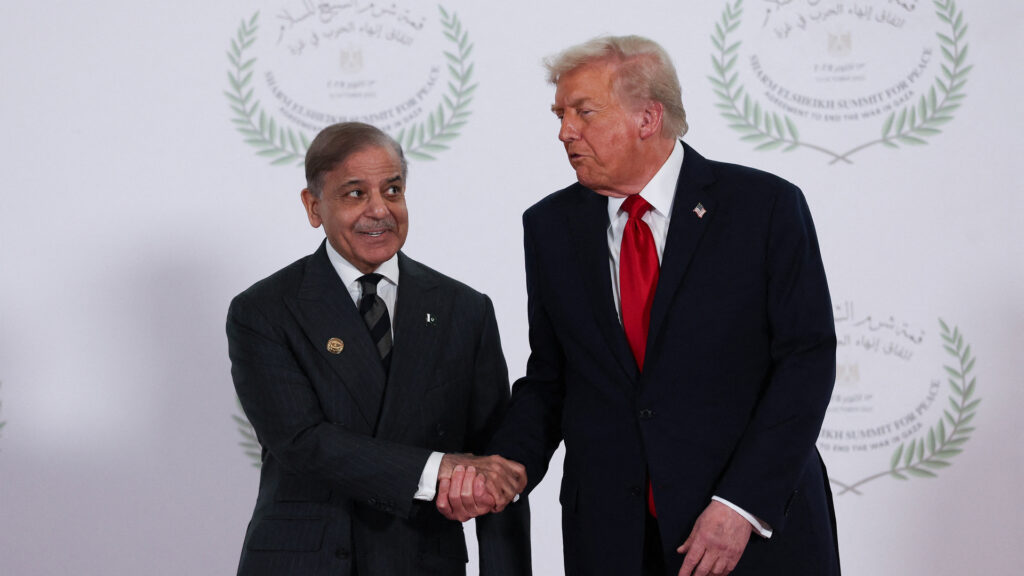
In the evolving landscape of Middle Eastern geopolitics, Pakistan has emerged as a key diplomatic player seeking to mediate the escalating conflict involving the US and Israel against Iran. Prime Minister Shehbaz Sharif has publicly indicated that diplomatic efforts aimed at resolving the war are making significant headway. This initiative underscores Pakistan’s strategic intent to foster peace in a region fraught with longstanding tensions.
Pakistan’s proposal centers on advocating for a war pause, which would serve as a critical de-escalation measure amidst the widespread hostilities. By championing a cessation of active conflict, Pakistan hopes to create a conducive environment for dialogue and negotiation. The move is welcomed by international observers who see it as a constructive step towards mitigating the devastating impacts of the ongoing conflict.
Prime Minister Sharif’s call for diplomacy reflects Pakistan’s broader foreign policy goals of promoting stability and security in its vicinity. The diplomatic efforts include engaging with key stakeholders, including regional powers and international actors, to build consensus on halting the war. This approach also highlights Pakistan’s role as a responsible regional actor committed to contributing positively to peace processes.
The initiative comes at a time when the US and Israeli military operations against Iran have intensified, raising concerns about the possibility of a broader regional war. Iran’s strategic significance, coupled with its alliances, makes the conflict a potential catalyst for widespread instability. Pakistan’s timely intervention seeks to avert such a scenario by encouraging all parties to prioritize negotiations over military escalation.
Experts note that Pakistan’s proposal could pave the way for renewed peace talks, potentially reviving stalled diplomatic channels. It stresses the importance of conflict resolution through peaceful means rather than prolonged warfare, which only exacerbates humanitarian crises.
Despite the geopolitical complexities, Pakistan remains optimistic about the prospects of its diplomatic endeavor. The government continues to liaise with international organizations to garner support for the war pause, emphasizing the need for a multilateral approach to conflict resolution.
Analysts also point out that Pakistan’s position could influence other Muslim-majority countries to advocate for restraint and peaceful engagement. This collective regional push could shift the dynamics of the conflict, promoting a framework for sustained peace.
The move by Pakistan is a notable development in the international response to the US-Israeli conflict with Iran. It highlights a proactive peace-building role for a nation often caught in the crosscurrents of global strategic alignments.
As of now, detailed discussions and negotiations facilitated by Pakistan are reportedly ongoing with various parties involved. The ultimate success of this war pause initiative will depend on the willingness of all sides to compromise and acknowledge the devastating consequences of continued conflict.
In conclusion, Pakistan’s proposed war pause represents a vital diplomatic breakthrough amid a volatile and dangerous situation. It reflects a commitment to peace and stability, hoping to lay the foundation for long-lasting resolution through dialogue rather than arms.