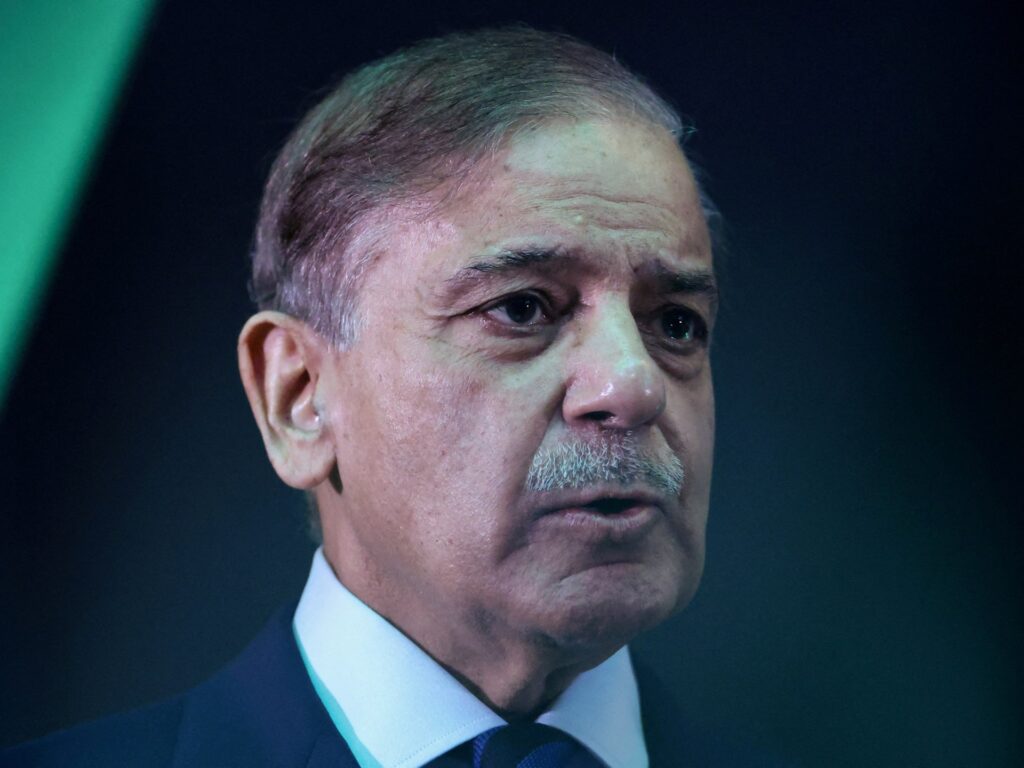
In a significant development amid ongoing regional tensions, Pakistan has formally appealed to former U.S. President Donald Trump to extend a critical deadline pertaining to diplomatic efforts aimed at achieving a peaceful resolution to conflict in the Middle East. Prime Minister Nawaz Sharif, citing noticeable progress in diplomatic endeavors, urged all involved parties to allow diplomacy to run its natural course without premature deadlines that could jeopardize the peace process.
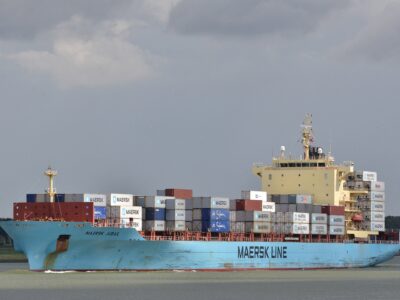
Sharif’s appeal comes as Iran has signaled its willingness to reopen the strategic Strait of Hormuz, a vital waterway for global oil shipments, which had seen disruptions amid escalating tensions. The reopening of the strait is viewed as a positive step toward de-escalating the conflict and restoring stability in the region.
The Pakistani government has been actively engaged in diplomatic efforts, working closely with regional and international stakeholders to facilitate dialogue and reduce hostilities. Sharif emphasized the importance of continued engagement, highlighting that the progress made so far could be undone if deadlines are imposed that rush the process or constrain diplomatic flexibility.
The Strait of Hormuz holds immense geopolitical importance, as a significant portion of the world’s petroleum passes through this narrow passage. Iran’s decision to reopen it was met with cautious optimism by countries dependent on stable oil supplies and the free flow of maritime trade.
Pakistan’s call to extend the diplomatic deadline reflects its broader commitment to regional stability and a peaceful settlement. The government believes that a negotiated peace, rather than military escalation, is the only viable path forward to secure lasting stability and economic prosperity for the region.
Observers note that Pakistan’s mediation efforts could serve as a bridge between conflicting parties, given its strategic position and historical ties with various stakeholders. By advocating for patience and continued talks, Islamabad is positioning itself as a key player in fostering peace and stability in the Middle East.
International reactions to Pakistan’s appeal and Iran’s reopening of the Hormuz Strait have been mixed, with some countries welcoming the diplomatic push while others remain skeptical of lasting peace prospects. Nonetheless, the developments offer a glimmer of hope for a resolution to one of the most tense flashpoints in global geopolitics.
As the deadline extension request awaits a response, diplomatic channels remain active, with Pakistan continuing to engage key players to maintain momentum in the peace process. The hope among many is that diplomatic solutions will prevail, preventing further conflict and ensuring a stable and secure future for all parties involved.