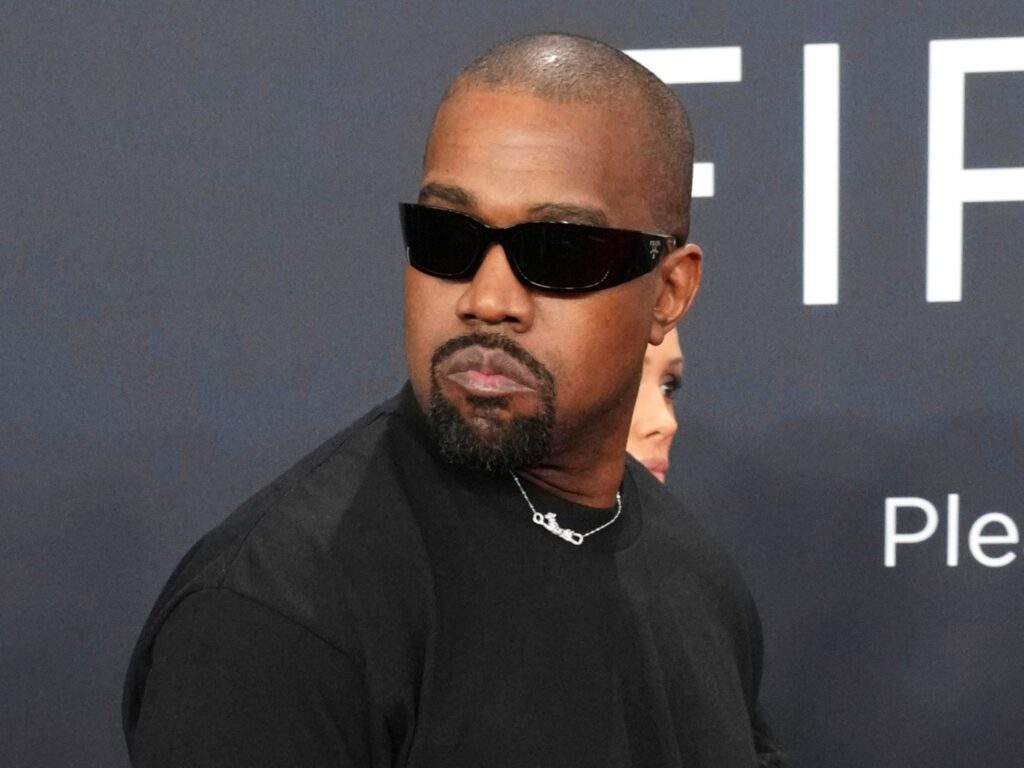
In a significant move, the United Kingdom has officially blocked rapper Kanye West from entering the country. This decision comes in response to West’s recent statements expressing anti-Semitic views and support for Nazi ideology, which have sparked widespread condemnation globally. British Prime Minister Keir Starmer voiced his concern and shock over the situation, particularly questioning how London’s Wireless Festival had originally scheduled West to perform. The festival, one of the UK’s major music events, had faced backlash from fans and advocacy groups alike for its decision to include West on its lineup despite his controversial recent behavior. The UK government’s stance reflects a broader commitment to combating hate speech and ensuring that public events promote inclusivity and respect. West’s remarks have led to significant professional and social repercussions, including severed partnerships and canceled appearances worldwide. This ban highlights the balance governments and cultural institutions navigate between freedom of expression and the need to hold public figures accountable for promoting hateful ideologies. As discussions about the implications of the ban continue, many in the music and cultural sectors are reflecting on the responsibilities that come with platform and influence. The UK’s action sends a strong signal that anti-Semitism and support for extremist ideologies will not be tolerated on their soil, reinforcing the country’s dedication to combating hate in all its forms.