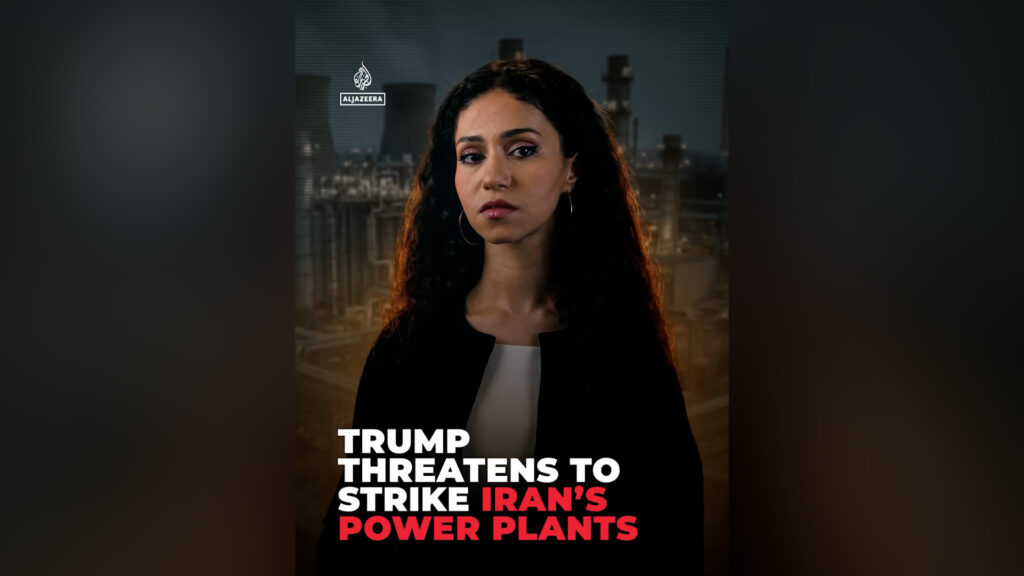
US President Donald Trump issued a stark warning on social media, declaring that “Tuesday will be power plant day,” signaling potential military action against Iran’s power infrastructure. This provocative statement has intensified fears of an escalating conflict between the United States and Iran.
The context of this threat follows ongoing tensions between Washington and Tehran, particularly surrounding Iran’s nuclear program and regional influence. Trump’s blunt message, delivered in a vulgar tone, suggests a planned strike aimed at crippling Iran’s energy capabilities, which could severely disrupt the country’s economy and civilian life.
Iran has previously warned that any attack on their infrastructure would be met with severe retaliation. International observers have expressed concern that such an action by the US could destabilize the already volatile Middle East region.
The statement comes amid a backdrop of diplomatic failures and increasing hostility, with sanctions on Iran tightening and both sides engaging in a war of words. The potential strike on power plants could escalate tensions into open conflict, drawing responses from Iran’s allies and impacting global energy markets.
Experts say that targeting civilian infrastructure violates international law and could lead to significant humanitarian consequences. Meanwhile, governments worldwide are urging restraint and calling for renewed diplomatic efforts to de-escalate the situation.
In response to Trump’s post, Iranian officials condemned the threat, emphasizing their readiness to defend national interests. The international community continues to watch closely as Tuesday approaches, wary of what steps might follow the President’s ominous message.
This development highlights the fragile nature of US-Iran relations and raises pressing questions about the risks of military interventions in the region. As the world waits to see if the threat will be carried out, the call for dialogue over destruction remains urgent.