Israeli forces have intensified their military campaign in Lebanon, launching renewed strikes across the country that have targeted both southern regions and the outskirts of Beirut. These aggressive operations come amid a deepening ground offensive by Israeli troops intent on rooting out militant positions and securing strategic control.
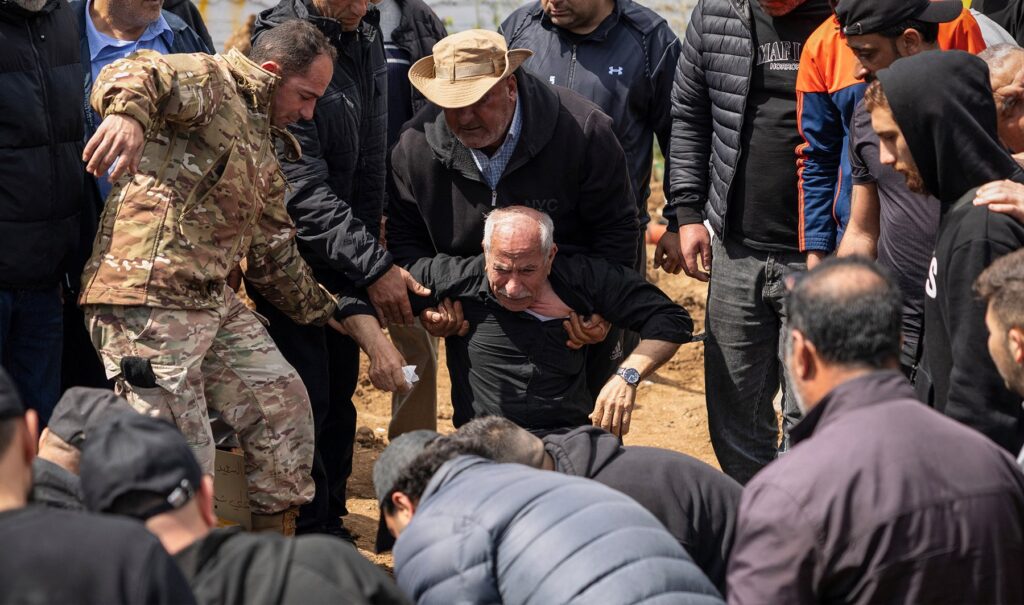
The latest series of airstrikes have wrought significant destruction, claiming the lives of several civilians and raising concerns about the escalating humanitarian toll within Lebanon. Reports indicate that residential areas have not been spared, with numerous homes hit during the bombardment, exacerbating the plight of civilians caught in the crossfire.
Military experts note that this surge in Israeli military activity seeks to dismantle entrenched militant networks operating in southern Lebanon, a region known for its strategic importance and history of conflict. The ground offensive has been met with resistance from local militant groups, resulting in intense clashes that further fuel instability in the region.
Human rights organizations have condemned the strikes, urging all parties to adhere to international law and protect civilian lives. The United Nations and several international bodies have called for an immediate cessation of hostilities, emphasizing the need for dialogue to prevent a broader regional conflict.
The capital, Beirut, while traditionally separated from the conflict zones in the south, has witnessed an unsettling rise in violence as the outskirts suffered direct hits during the air raids. This expansion of violence into the metropolitan area underscores the widening scope of the conflict, posing new risks to the city’s densely populated civilian population.
Lebanese authorities have mobilized emergency services to address the consequences of the bombardment, providing medical assistance to the wounded and managing logistical challenges amid ongoing threats. The Lebanese government has appealed for international aid to cope with the escalating humanitarian crisis.
The international community remains deeply concerned over the escalating violence, recognizing the complex geopolitics at play. The situation is seen as part of a broader struggle affecting the Middle East, with potential implications for regional security and stability.
As the conflict between Israeli forces and Lebanese militants intensifies, the prospects for peace appear increasingly uncertain. Calls for restraint and dialogue continue, but the current trajectory suggests a protracted and devastating confrontation that will have lasting impacts on Lebanon and the wider region.
In summary, the renewed Israeli strikes across Lebanon, coupled with an escalating ground offensive, have significantly worsened the security situation. With civilian casualties mounting and the conflict spilling into new areas, the immediate future remains fraught with danger and uncertainty.