In a recent escalation of conflict, the Israeli military has launched aggressive attacks targeting southern Lebanon towns as well as areas around Beirut, including regions previously considered safe. These strikes have significantly intensified tensions in the region, leading to widespread destruction and a deepening humanitarian crisis.
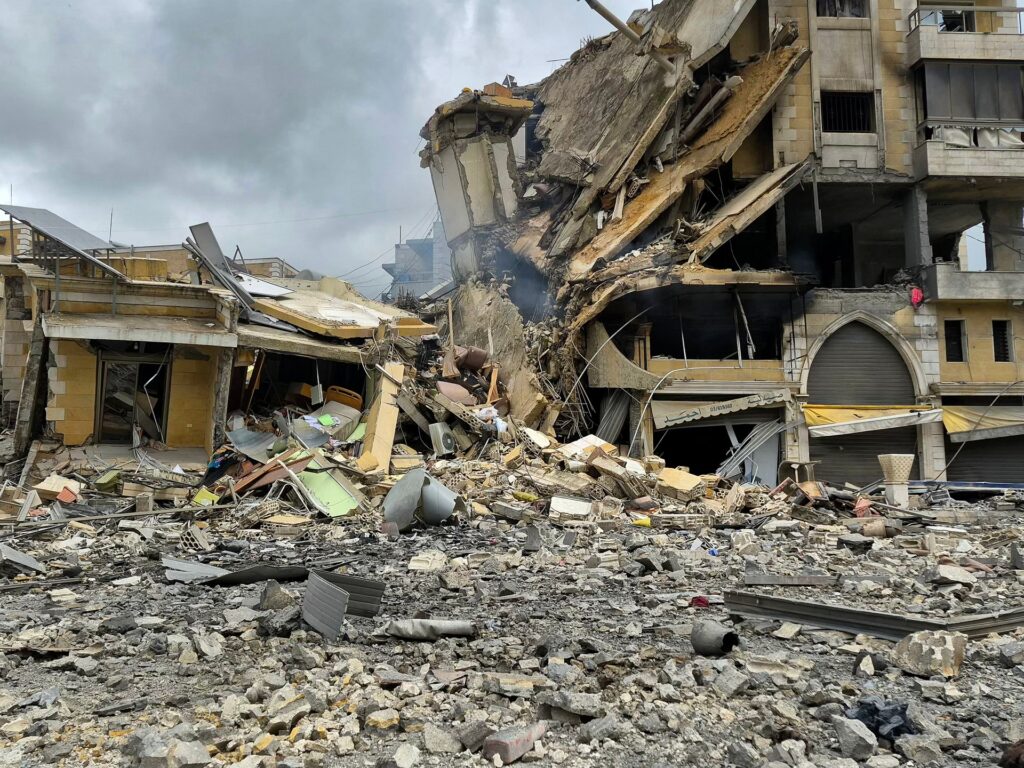
The southern Lebanese towns, many of which have been caught in the crossfire of ongoing hostilities, are now facing unprecedented levels of destruction. Residential areas and infrastructure have been heavily damaged or destroyed, displacing thousands of residents and disrupting essential services.
Additionally, areas around Beirut, traditionally viewed as safer zones, have not been spared. The attacks on these locales have raised alarm globally as civilian populations find themselves increasingly vulnerable. The destruction has compounded existing hardships, with access to medical care, food, and clean water becoming critically scarce.
Humanitarian organizations have expressed grave concern over the situation, warning that the crisis could deteriorate further unless robust efforts are made to ensure the safety of civilians and facilitate the delivery of emergency aid.
The international community has called for immediate de-escalation and resumption of dialogue to prevent further loss of life and to stabilize the region. Diplomatic efforts are underway to address the conflict, but the path to peace remains fraught with challenges.
As the conflict persists, the impact on the civilian population continues to grow, highlighting the urgent need for comprehensive humanitarian assistance and conflict resolution measures. The destruction in southern Lebanon and Beirut serves as a stark reminder of the devastating consequences of prolonged armed conflict on communities and the importance of sustained international engagement to foster peace and recovery.