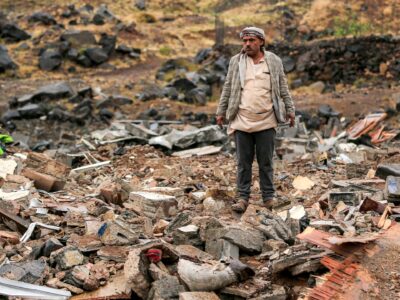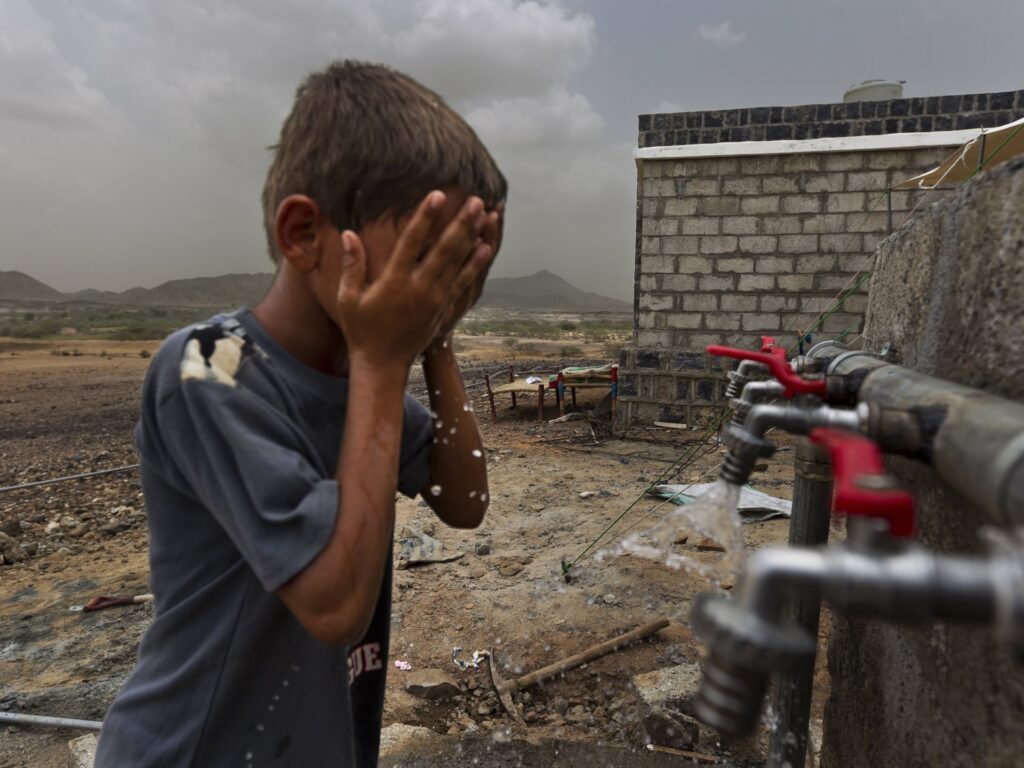
Despite an ongoing truce in Yemen, nearly 1,200 children have been reported killed or injured, according to a recent statement by the humanitarian organization Save the Children. This alarming figure highlights the continued dangers faced by children in the conflict-ridden country, where peace efforts have yet to fully protect vulnerable populations.
Save the Children’s report underscores that almost half of these child casualties are caused by landmines and unexploded remnants of war. These deadly devices remain scattered across affected areas, representing a persistent threat that endangers children who live in or near conflict zones.
The Yemeni conflict, which has devastated the country for years, involves multiple factions and has resulted in widespread destruction and humanitarian crises. The truce, intended to reduce hostilities and promote peace, has brought some optimism, but the rising toll on children reveals ongoing risks.
Landmines and explosive remnants of war are notorious for their long-term impact, often causing injuries or deaths long after active fighting has ceased. Children are especially vulnerable due to their greater likelihood to come into contact with these hazards during daily activities such as playing, attending school, or helping their families.
Humanitarian groups have called for urgent action to clear these deadly remnants and to improve protections for children living in conflict areas. They emphasize that without sustained efforts to address these hazards, thousands of children will continue to face grave dangers.
The situation in Yemen remains complex and fragile. Despite international attention and peace negotiations, the continued presence of landmines suggests that the conflict’s consequences will persist for years to come.
Save the Children urges all parties involved to prioritize the safety and wellbeing of children and to commit to demining operations. The organization’s appeal highlights the urgent need for comprehensive support to protect children from harm and to allow them a future free from fear and violence.
Experts suggest that in addition to mine clearance, education and awareness programs about the risks of landmines can help reduce casualties. Communities affected by the conflict require both immediate and long-term interventions to mitigate these dangers.
The report serves as a grim reminder that the impact of war is often most devastating on the youngest and most vulnerable. While political leaders work toward peace, the ongoing toll on children underscores the human cost of conflict and the imperative for swift and decisive action.
In conclusion, even as Yemen edges toward peace, the deadly legacy of the conflict endangers countless children. The nearly 1,200 killed or injured since the truce illustrates the critical need for comprehensive humanitarian intervention, mine clearance, and protective measures, ensuring a safer future for Yemen’s children.