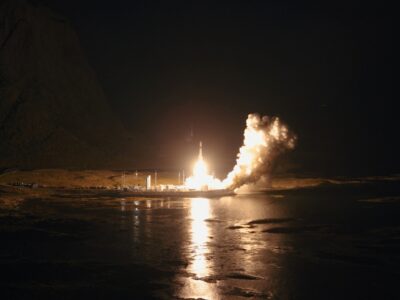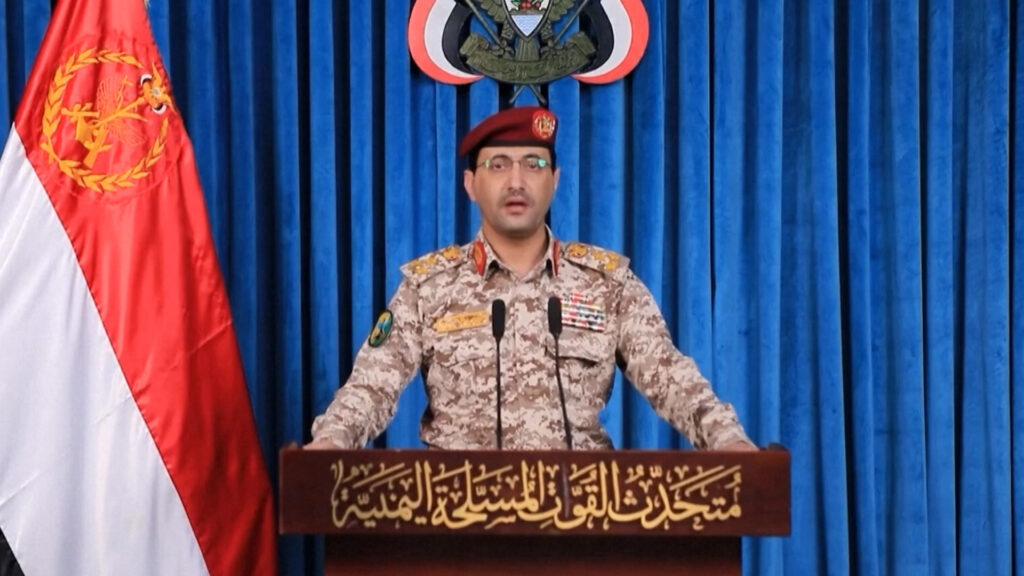
Yemen’s Houthi movement has asserted that it conducted a missile attack targeting Israel in a coordinated operation alongside Iran and Hezbollah. This claim marks a significant escalation in the complex network of regional tensions involving these actors. The Houthis, an armed political movement originating in northern Yemen, have been engaged in a prolonged conflict with the Yemeni government and its allies. Their alliance with Iran and Hezbollah, both of which have longstanding adversarial relations with Israel, signals a deepening of strategic ties and a broader regional confrontation.
According to the Houthis, the missile attack was a deliberate and coordinated strike planned in conjunction with Iranian forces and Hezbollah fighters. While specific details about the timing, scale, and targets of the missile launch have not been independently verified, the announcement underscores the increasing military cooperation among these groups. Analysts interpret this development as a message to Israel and its allies that the conflict in the Middle East has multiple fronts and actors willing to challenge Israeli security.
Iran’s Revolutionary Guard Corps has historically provided support to the Houthis in the form of training, weapons, and strategic advice, while Hezbollah, a Lebanese Shiite militant group backed by Iran, has considerable experience in asymmetric warfare. The combination of these forces suggests that the missile attack might involve both advanced technology and coordinated operational tactics.
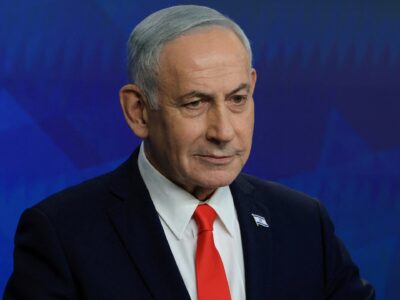
The Israeli government has neither confirmed nor denied the reported missile attack by the Houthis. However, Israel has repeatedly faced missile threats and attacks from Hezbollah in Lebanon and from Iranian-backed groups in Syria and Gaza. The involvement of the Houthis opens a new potential front in the regional conflict, compounding security challenges for Israel.
The international community has expressed concern over the announcement. The US and its allies have condemned missile attacks targeting civilians and have called for de-escalation in the region. The news of a joint operation highlights the complexity of the Yemen conflict, which has traditionally been viewed as a localized war but now increasingly intersects with broader geopolitical struggles involving Iran, Israel, and their respective allies.
This joint missile attack claim comes amid ongoing tensions in the Middle East, where proxy conflicts and direct engagements between regional powers have escalated dramatically in recent years. The cooperation between the Houthis, Iran, and Hezbollah in an offensive against Israel underscores the shifting alliances and persistent volatility in the region. Observers will be keenly watching for responses from Israel and the international diplomatic community, as well as potential ramifications for the Yemen conflict and Middle Eastern stability more broadly.