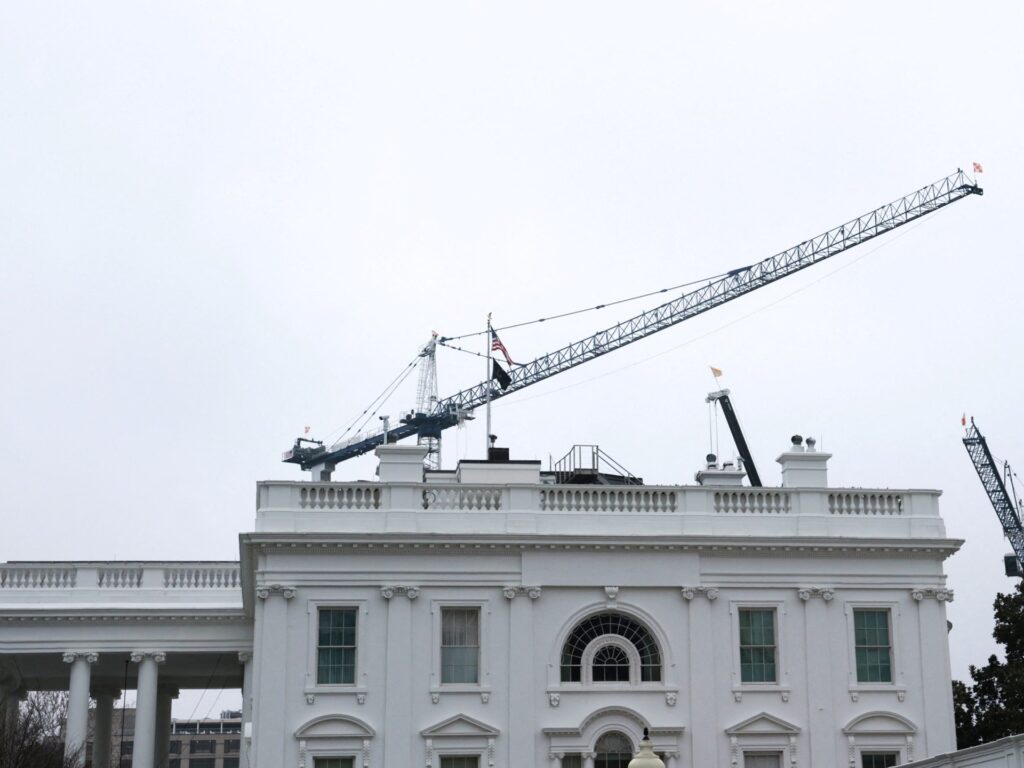
In a significant legal development, District Judge Richard Leon has ordered a temporary halt to the construction of Donald Trump’s $400 million White House ballroom project. The decision comes amid concerns regarding the lack of statutory authorization from Congress. According to Judge Leon’s ruling, the project cannot proceed without explicit congressional approval, underscoring the importance of legislative oversight in federal property developments.
The ambitious $400 million ballroom project, intended to add a grand event space within the White House complex, has faced scrutiny for its scale and funding methods. Critics argue that such an expensive undertaking requires transparent legislative backing to ensure accountability, especially given the use of public resources and historical preservation considerations.
Judge Leon’s injunction means that all construction activities related to the ballroom must cease immediately until Congress grants the necessary statutory authorization. This legal check reflects the judiciary’s role in balancing executive initiatives with legislative mandates.
The administration has yet to comment on the ruling, but the temporary cessation is expected to delay the timeline significantly. Supporters of the project argue that the ballroom would provide a prestigious venue for national and international events, boosting the White House’s functionality. However, opponents raise concerns about the cost, scope, and potential impact on the historic White House grounds.
This ruling may set a precedent for future federal construction projects, emphasizing the need for clear legislative approval before proceeding with high-cost initiatives. The debate over the White House ballroom encapsulates broader tensions about government spending, executive authority, and Congressional oversight.
As the situation unfolds, stakeholders from both political spheres and preservation communities are closely monitoring the legal and legislative responses. The final outcome will likely influence how similar projects are managed in the future, underscoring the critical interplay between the branches of government in decision-making processes concerning national landmarks.
In summary, Judge Richard Leon’s temporary halt of the $400 million Trump White House ballroom project highlights the judiciary’s insistence on adherence to statutory norms. The decision calls attention to the fundamental requirement of congressional authorization, serving as a reminder of the checks and balances integral to the American political system.