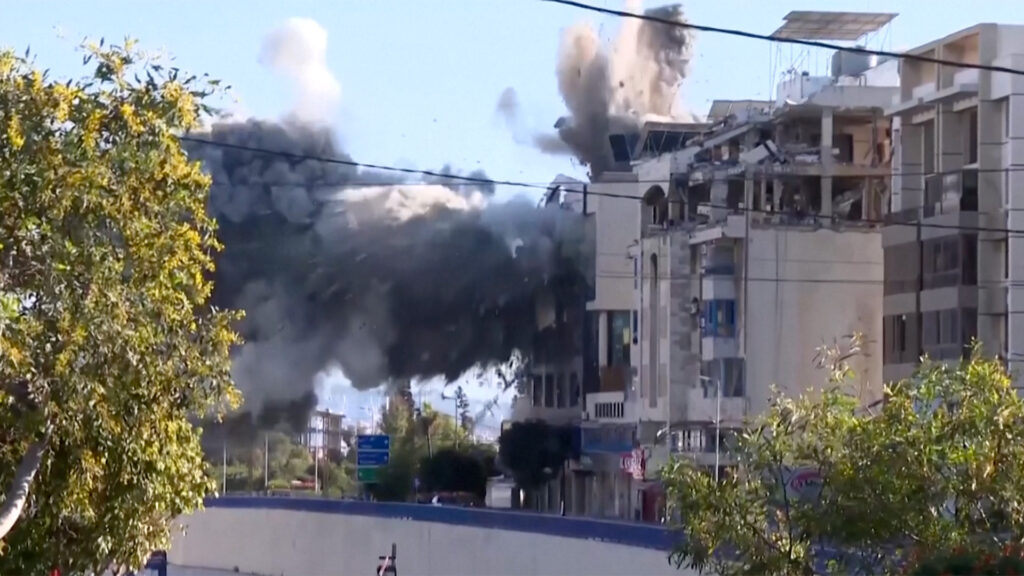
In a recent development, a building located in the southern suburbs of Beirut has been struck by an Israeli airstrike. This incident marks another escalation in the ongoing tensions in the region. The exact details regarding the extent of the damage or casualties have not yet been fully disclosed by authorities. However, such strikes typically aim at targets related to militant activities or strategic assets.
The southern suburbs of Beirut, often referred to as a stronghold for certain militant groups, have witnessed several such incidents previously, reflecting the persistent conflict dynamics between Israel and factions operating in Lebanon. Local residents reported hearing explosions and seeing smoke rising from the area following the strike, raising concerns about civilian safety and potential collateral damage.
This strike is part of a broader pattern of intermittent violence in the region, which continues to affect the stability of Lebanon and its relations with neighboring countries. International observers have called for restraint from all parties to prevent further escalation and to protect civilian lives.
The Lebanese government has condemned the attack, labeling it a violation of sovereignty and an act that exacerbates the fragile security situation in the country. Meanwhile, Israel maintains that such operations are necessary to counter threats from armed groups in southern Lebanon.
As the situation develops, humanitarian organizations are on alert to respond to any potential needs arising from the strike, and diplomatic channels are expected to be active in addressing the fallout. The residents of Beirut’s southern suburbs are once again reminded of the precariousness of peace in their neighborhood amidst regional strife.
This event underscores the urgent need for renewed dialogue and efforts towards a lasting resolution to the conflicts that have long afflicted the Middle East. The international community continues to watch closely, advocating for peace and the protection of non-combatants in conflict zones.