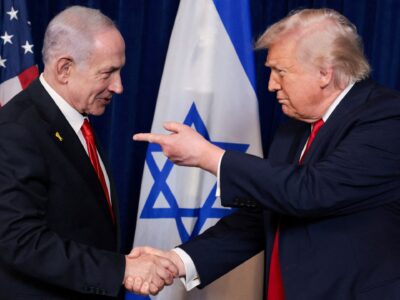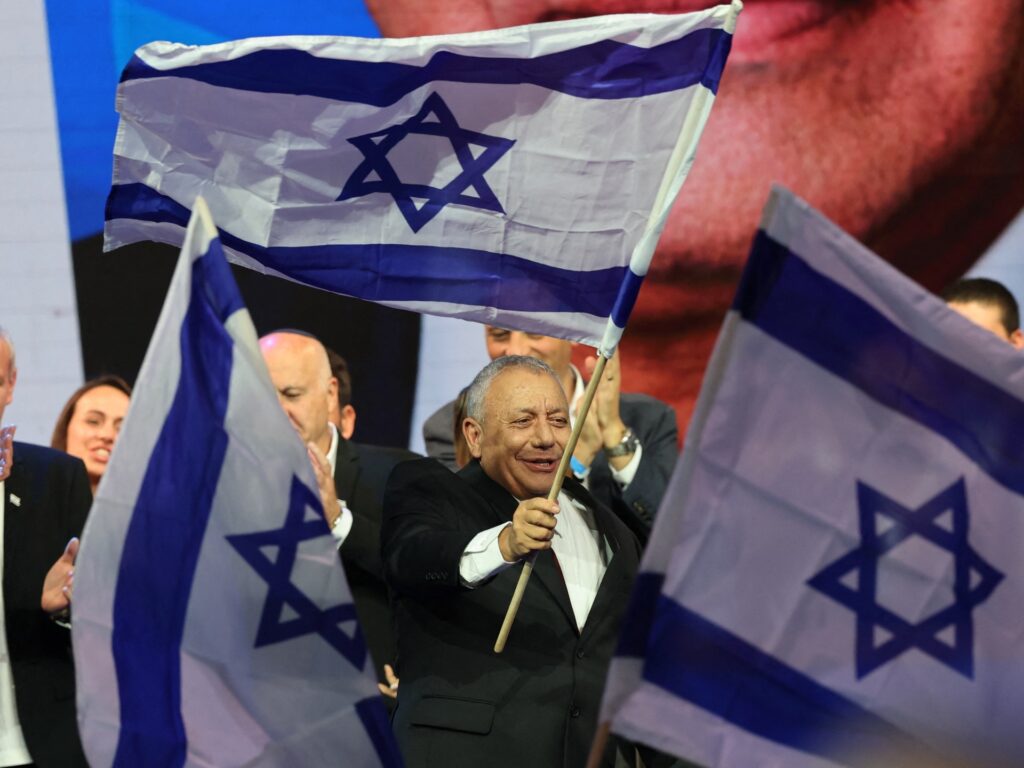
Israel’s opposition leaders have thrown their weight behind Benny Gantz Eisenkot as their preferred candidate to unseat Prime Minister Benjamin Netanyahu. This marks a significant moment in Israeli politics as various opposition factions seek to consolidate their efforts to form a new government. The alliance signifies a shared desire to bring change after Netanyahu’s extensive tenure, which has been marked by both staunch support and fierce criticism.
The opposition coalition has pledged to expedite the process of establishing a new government if they succeed in the upcoming political maneuvering. However, despite this promise of swift action, internal divisions remain, particularly on the delicate issue of forming alliances with Arab-led parties. This topic is a contentious one within the opposition, reflecting broader societal and political tensions in Israel.
Supporters of working with Arab parties argue that including these groups could forge a more inclusive and representative government, potentially addressing longstanding disparities and fostering coexistence. On the other hand, some opposition members are wary of such alliances, concerned that they could alienate certain segments of the Israeli electorate or complicate the coalition-building process.
Benny Gantz Eisenkot, a former military chief of staff and a respected figure in Israeli defense and political circles, is seen by many as a unifying leader capable of bridging these divides. His leadership is expected to offer a pragmatic approach to governance, balancing security concerns with the need for political reform.
The opposition’s strategy comes at a time of heightened political uncertainty in Israel, marked by recurring elections and deepening fragmentation within the political landscape. Netanyahu’s leadership has faced criticism over issues such as corruption allegations, handling of the Israeli-Palestinian conflict, and domestic policies.
If the opposition manages to successfully form a government, it could signal a significant shift in Israeli politics, potentially impacting the country’s domestic policies and international relations. Observers will be closely watching how the alliance navigates its internal disagreements and manages the complexities of coalition politics.
In conclusion, the backing of Eisenkot by Israel’s opposition leaders represents a pivotal effort to change the country’s leadership. The outcome of this political contest will likely influence Israel’s future trajectory, both at home and abroad, as the nation grapples with its multifaceted challenges and aspirations.