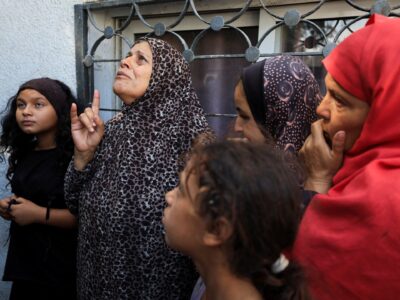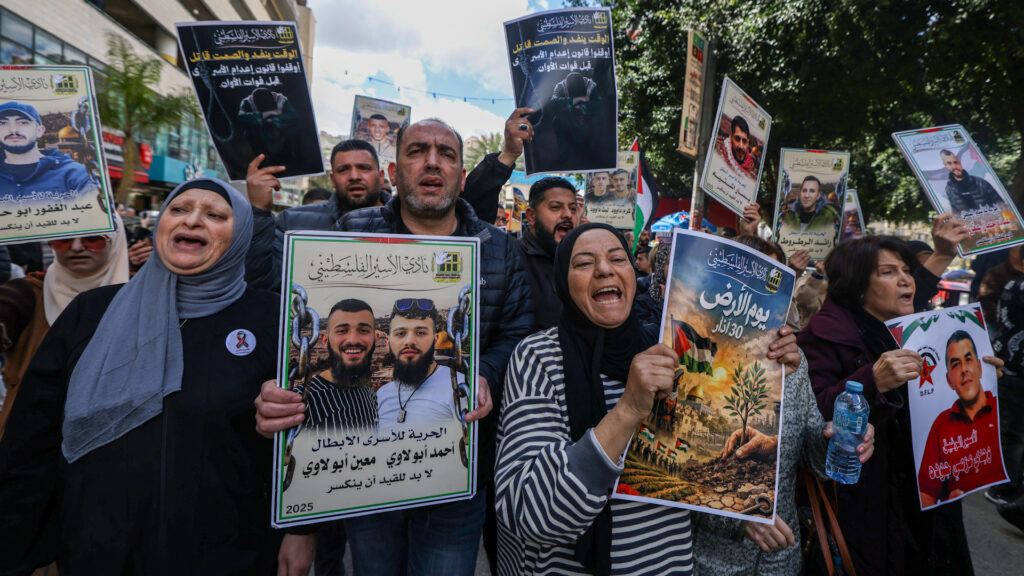
In a significant demonstration, families of Palestinian prisoners in the occupied West Bank have protested fiercely against a newly proposed bill by Israel that permits the imposition of the death penalty on Palestinians. This legislation has sparked widespread concern and unrest among Palestinians and human rights advocates alike, renewing tensions in an already volatile region.
The proposed death penalty bill could apply to Palestinians accused of serious crimes, a move that many view as a severe escalation in the ongoing conflict between Israel and Palestine. Families of prisoners expressed their anguish and fear, stating that the law could lead to irreversible consequences for their loved ones and further destabilize the situation.
Protests erupted in several locations within the West Bank, where demonstrators gathered to voice their opposition. Amplified by social media, voices from the international community and human rights organizations have also called for restraint and a reconsideration of the law, citing the potential for human rights violations.
Historically, the death penalty has been rare in the region, and this bill represents a controversial shift in legal policy. Palestinian leaders and activists have condemned the measure, arguing that it undermines prospects for peace and humanitarian norms.
Israeli officials defending the bill argue it is a necessary deterrent against terrorism and severe crimes, aiming to ensure security and justice. However, critics counter that such a law may fuel further violence and retaliation, creating a cycle of conflict.
The United Nations and other international bodies have urged Israel to consider the implications of implementing the death penalty in the West Bank, emphasizing the importance of upholding international law and protecting the rights of all individuals.
As tensions rise, the situation remains fluid, with international observers closely monitoring developments. The protests by Palestinian families highlight the human dimension of the conflict and the profound impact of legislative decisions on communities living in occupied territories.
The debate over the death penalty in the West Bank continues to evoke deep divisions and calls for dialogue, underscoring the urgent need for a peaceful resolution to the longstanding Israeli-Palestinian conflict.