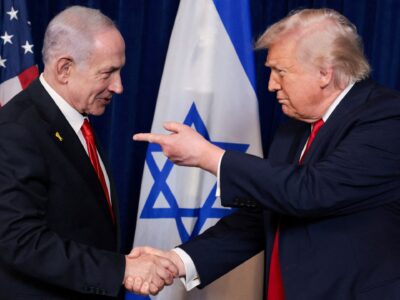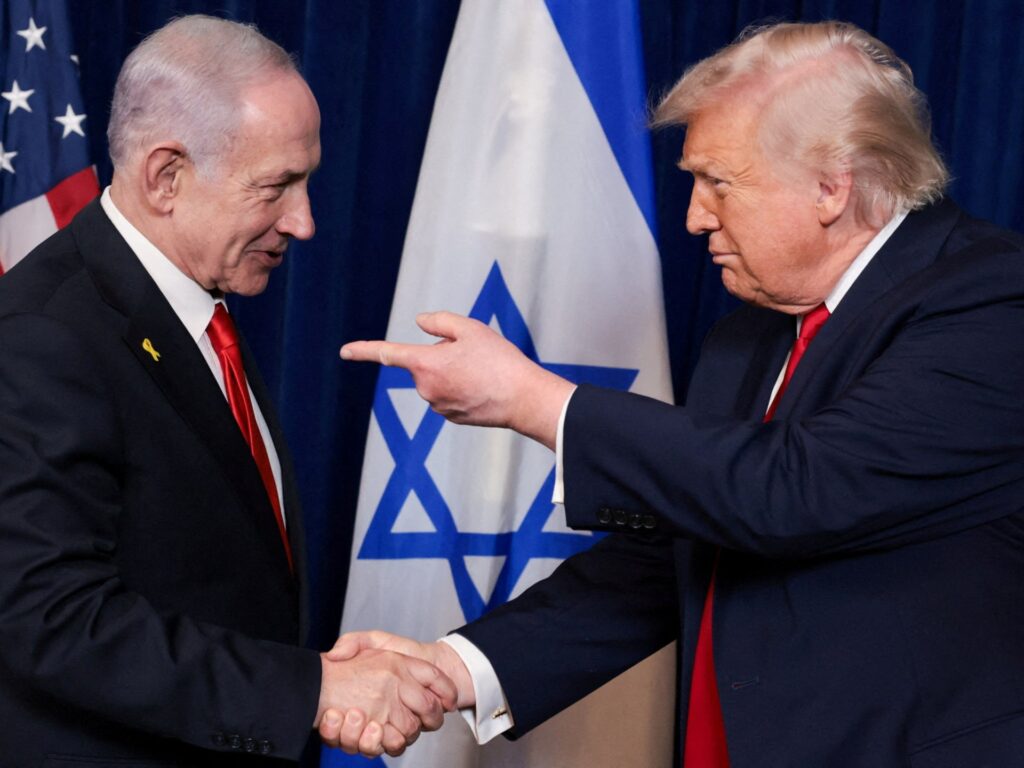
In a significant political development, former President Donald Trump has declared that the United States will cease providing military aid to Israel after the current year ends. This statement has intensified the ongoing debate surrounding US foreign aid, particularly concerning military assistance to Israel.
Military aid to Israel has historically been a critical component of the US’s strategic foreign policy in the Middle East. The aid has included financial support for defense systems, military training, and joint operations, aimed at ensuring Israel’s security in a volatile region.
Trump’s announcement not only signals a potential shift in US foreign policy but also highlights the intersection of domestic politics and international relations. The flow of campaign contributions from Israel’s supporters to US political candidates has long been a contentious topic, sparking discussions about the influence of foreign allies on American politics.
Critics argue that such contributions may bias US policymakers, affecting decisions on aid and diplomacy. Supporters, however, claim that these relationships help maintain a stable alliance critical for regional security and shared strategic interests.
The potential cessation of aid prompts questions about the impact on Israel’s defense capabilities and the stability of US-Israel relations. Allies of Israel worry that a reduction or halt in aid could embolden adversaries and destabilize the region further.
Political analysts suggest that Trump’s stance may also be driven by domestic electoral considerations. By positioning himself against foreign aid, especially to a high-profile ally like Israel, he may appeal to voters advocating for reduced government spending and greater US self-reliance.
The announcement has elicited mixed responses from the broader political spectrum. Some lawmakers have expressed concern over the implications for diplomatic ties and national security, while others praise the move as a necessary reassessment of US foreign commitments.
It remains to be seen how this policy shift will be implemented and whether it will be supported or reversed by Congress and future administrations. The decision also raises broader questions about the future of US involvement in Middle East conflicts and the role of military aid as a tool of diplomacy.
As this story develops, attention will focus on reactions from the Israeli government, US allies, and international observers, who are keen to understand the broader geopolitical consequences of such a withdrawal of support. The evolving stance highlights the complex relationship between US political dynamics and foreign policy decisions.
In summary, Trump’s announcement to stop military aid to Israel after year-end marks a pivotal moment in US-Israel relations, bringing to the forefront debates on foreign aid, political influence, and strategic partnerships amidst shifting international landscapes.