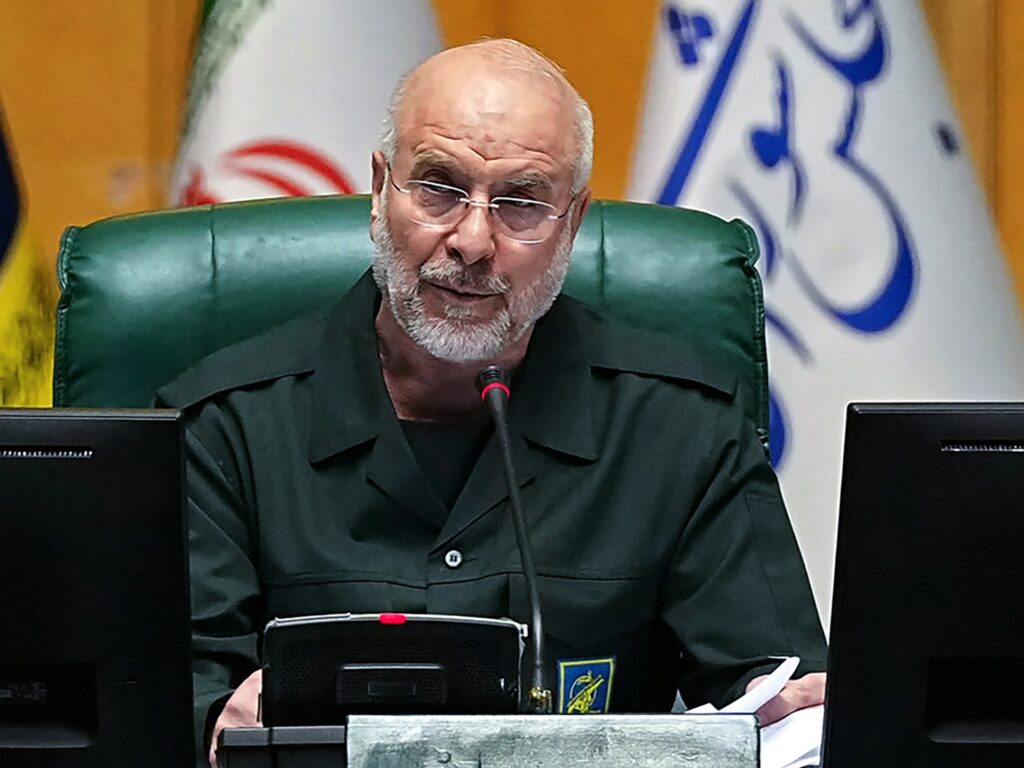
As tensions rise amid the Iran war, investors face heightened uncertainty and risk. Mohammad Bagher Ghalibaf, Iran’s parliamentary speaker, has emerged as a significant figure shaping both public sentiment and financial market expectations through his communications on the social platform X (formerly Twitter).
Ghalibaf’s commentary blends war-related narratives with subtle financial signals, creating a complex dynamic that investors should carefully consider when making decisions. His messaging often serves dual purposes: reinforcing national resolve while simultaneously hinting at economic directions or state intentions regarding resource allocation, sanctions resilience, or domestic support for specific sectors.
During the Iran conflict, traditional investment landscapes are disrupted. International sanctions, logistical challenges, and geopolitical risks influence market performance unpredictably. However, Ghalibaf’s communications can provide insights into government priorities, potentially highlighting sectors that may receive protection or stimulus.
Investors might observe a trend toward domestically focused industries such as infrastructure, energy, and defense-related manufacturing. These sectors could benefit from increased government contracts and budget allocations aimed at supporting the war effort and maintaining internal stability.
Moreover, Iran’s financial markets may display volatility with significant price swings. Ghalibaf’s statements on X can serve as real-time sentiment indicators, allowing savvy investors to gauge government confidence and anticipate policy shifts.
However, the inherent risks of investing during wartime demand cautious approaches. Diversification, risk management, and close monitoring of geopolitical developments remain crucial.
International investors should be particularly wary due to the complexities of sanctions and shifting global alliances. Conversely, domestic investors might find opportunities in supporting resilient sectors aligned with national interest.
Overall, while Ghalibaf does not provide explicit investment advice, his unique role as parliamentary speaker and his strategic use of social media offer valuable clues about Iran’s economic direction amid conflict. Investors should combine these insights with broader market analysis and risk assessments to make informed decisions.
In conclusion, investing during the Iran war requires navigating a mixture of political messaging and financial realities. Mohammad Bagher Ghalibaf’s market signaling on X exemplifies how political leaders can influence investment sentiment during conflict, emphasizing the importance of political awareness for market participants in turbulent times.