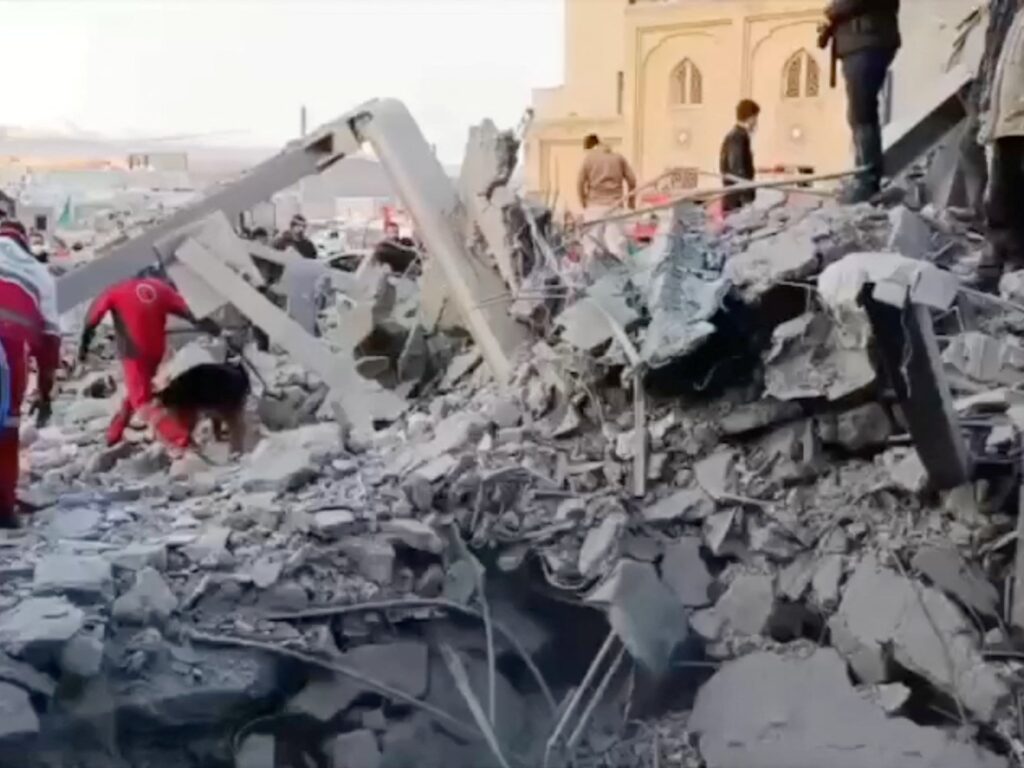
In a recent escalation of tensions in the Middle East, Israeli and US forces have conducted coordinated strikes on Iran, targeting a cancer drug production facility and a religious site. The Iranian government confirmed that the company’s drug production line has sustained damage, raising concerns about the humanitarian impact of such military actions.
The attacks come amid deteriorating diplomatic relations, with no clear diplomatic solution in sight. The targeted cancer drug facility plays a crucial role in the manufacture of life-saving medications for Iranian patients battling cancer, highlighting the potential civilian cost of these strikes.
In addition to the pharmaceutical site, a religious site was also hit during the operations, further inflaming tensions in the region and drawing condemnation from Iranian officials and international observers.
Iranian authorities have denounced the strikes as aggressive acts of sabotage and called on the international community to intervene and prevent further escalation. They emphasize that the destruction of healthcare infrastructure jeopardizes the well-being of countless civilians.
The Israeli and US governments have yet to publicly confirm the details of the strikes, but previous statements have underscored their intent to counter Iran’s regional influence and nuclear ambitions. They argue that such military actions are necessary to maintain regional security.
Experts warn that targeting medical facilities could violate international laws protecting civilian infrastructure during conflicts, raising ethical questions about the scope and targets of military operations.
The situation remains fluid, with diplomatic efforts stalled and the potential for broader conflict looming. The international community watches closely, urging restraint and dialogue to prevent further humanitarian crises.
This incident marks a significant escalation in the ongoing tensions between Iran and its adversaries, highlighting the complex interplay between military strategy, diplomacy, and humanitarian concerns in the region. As the conflict evolves, the consequences for civilian populations and regional stability continue to amplify.