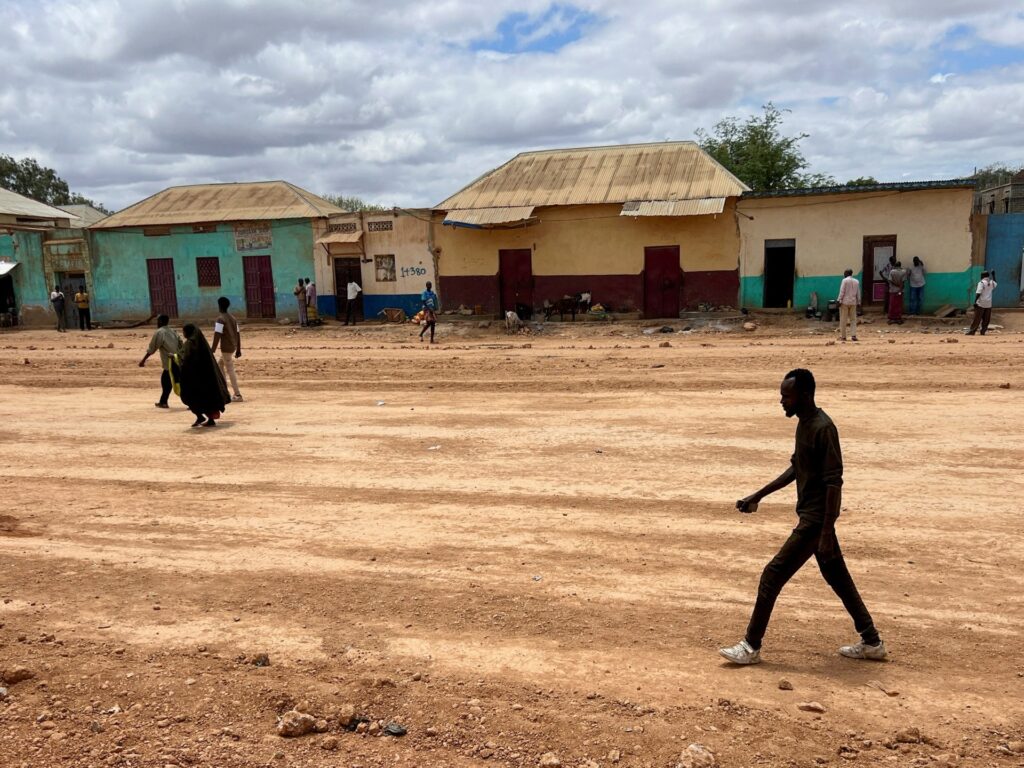
In a significant development in the political landscape of Somalia, the Somali federal army has successfully taken control of Baidoa, a key city in the Southwest region. This move comes at a critical time, coinciding with the resignation of the state leader, an event that has fueled political uncertainty and tensions in the region.
Baidoa holds strategic and political importance in Somalia’s Southwest State, serving as a pivotal center for administration and governance. The takeover by the federal army marks a notable shift in the control of the city, which had been under the leadership of the now-resigned state official. This transition is seen as a decisive moment for Somalia’s central government in asserting its authority and influence in the region.
The Somali federal government has hailed the transition in Baidoa, framing it as a positive step toward stabilizing the Southwest. Officials have urged all stakeholders to prioritize peace and unity amid the ongoing political changes, emphasizing the need for dialogue and cooperation to navigate the current challenges.
Rising tensions had been reported in the period leading up to the takeover and the leader’s resignation. These tensions stemmed from disputes and disagreements over governance, security arrangements, and political representation within the Southwest State. The federal army’s intervention and the subsequent leadership change were perceived as attempts to restore order and avoid further instability.
Local communities and political actors have expressed mixed reactions to the developments. While some see the federal army’s presence as a necessary measure to ensure security and order, others are concerned about the implications for regional autonomy and the future political landscape.
The Somali government’s call for peace underscores the urgency of preventing conflict escalation. With the Southwest being a vital region for Somalia’s broader national stability, the central authorities are keen to maintain dialogue with regional leaders, community representatives, and other key players to foster an environment conducive to inclusive governance.
This event also reflects broader trends in Somali politics, where federal and regional dynamics continuously evolve. The balance of power, negotiation among clans and political factions, and federalism remain central themes shaping Somalia’s path forward.
As Baidoa transitions to new governance under the oversight of the Somali federal army, monitoring the situation will be crucial. The international community, along with Somali citizens, hopes for a peaceful resolution that respects Somalia’s complex political fabric and promotes lasting stability.
In conclusion, the Somali army’s takeover of Baidoa following the resignation of the Southwest State leader represents a pivotal moment in Somalia’s political scene. The federal government’s emphasis on peace and unity highlights the importance of collaboration and calm in overcoming the challenges ahead. The coming weeks will be critical for assessing how these changes impact the broader goal of national cohesion and durable peace in Somalia.