The ongoing conflict involving Iran has escalated with a series of violent incidents and critical diplomatic engagements in the Gulf region. Recent reports confirm that four Israeli soldiers were killed in Lebanon, marking one of the most severe casualties for Israel in this period of unrest. This incident is part of a broader pattern of attacks linked to Iran’s retaliation against US and Israeli military actions.
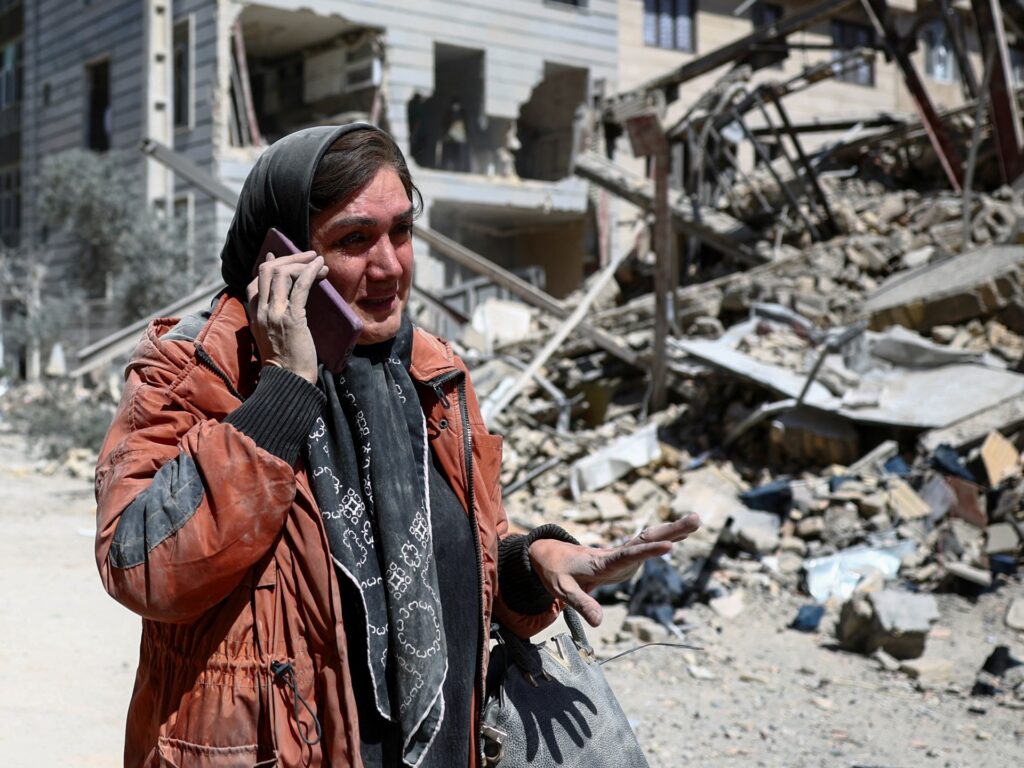
Simultaneously, blasts have been reported in the Iranian city of Isfahan, highlighting the intensifying security challenges within Iran itself. The exact causes and perpetrators of these blasts remain under investigation, but they reflect the internal and external pressures the country faces amid ongoing hostilities.
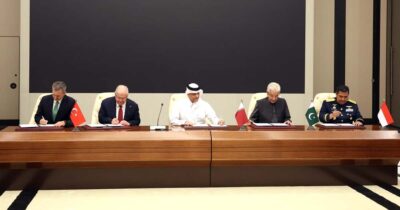
In response to the escalating conflict and to discuss regional security and the broader implications of these military engagements, leaders from Saudi Arabia, Qatar, and Jordan have convened. This meeting underscores the concern among Gulf nations about the continued retaliatory strikes by Iran, which have targeted not only Israeli and US interests but also impacted neighboring Gulf countries.
The conflict traces back to a series of US and Israeli raids, which Iran has publicly criticized and vowed to retaliate against. Iran’s strategy appears aimed at exerting pressure through proxy groups and direct attacks, particularly in Lebanon, where it has significant influence through Hezbollah.
This escalation has intensified fears of a wider regional conflict, with Gulf nations increasing their diplomatic and military readiness. The Saudi, Qatari, and Jordanian leaders’ meeting is a critical attempt to coordinate a collective response to ensure stability and prevent further escalation.
Analysts believe that the situation remains volatile. The death of Israeli soldiers in Lebanon could prompt a strong military response, which may further destabilize the region. Meanwhile, Iran’s internal security challenges, exemplified by the blasts in Isfahan, could impact the country’s ability to sustain prolonged military engagements abroad.
International observers are calling for restraint and diplomatic solutions to avoid a broader conflict, which could have severe consequences for global oil markets and international security. The United Nations and other international bodies might be pressured to intervene diplomatically to de-escalate tensions.
In summary, the current situation reflects a complex and dangerous phase in Iran’s conflict dynamics, with significant loss of life, regional diplomatic efforts, and heightened insecurity. The coming days will be crucial in determining whether the region moves towards further conflict or manages to achieve a reduction in hostilities through diplomatic engagement.