The ongoing conflict between Israel and Lebanon has drawn international concern, highlighting the devastating effects of war on civilians. While the physical destruction and human casualties are well-documented, there is a less visible but deeply troubling impact on young people with neurodevelopmental conditions such as autism and ADHD. Experts warn that these young individuals pay a particularly heavy price during wartime, as the upheaval and trauma disrupt the routines and environments they depend on for stability.
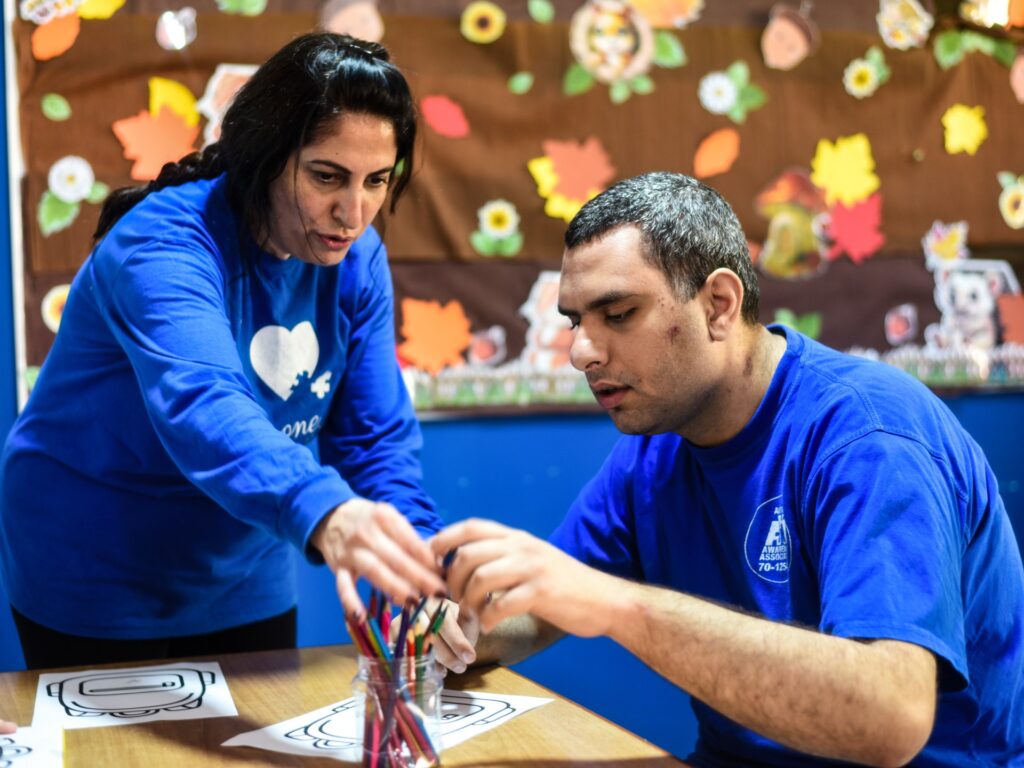
For children and adolescents with autism spectrum disorder (ASD) and attention deficit hyperactivity disorder (ADHD), predictable daily routines are essential for managing anxiety, maintaining focus, and minimizing sensory overload. War zones introduce chaos, noise, disruption of schooling, and the destruction of safe spaces, all of which can significantly worsen symptoms and lead to behavioral challenges.
In Lebanon, repeated bombings and military incursions have displaced thousands and drastically altered the living conditions for many families. Educational institutions have been damaged or closed for long periods, cutting off access to specialized therapy and support services critical to neurodivergent youth. The interruption to these resources means a loss of progress in managing autism and ADHD symptoms, resulting in setbacks that can be difficult to reverse.
Mental health professionals emphasize that trauma experienced during war can exacerbate sensory sensitivities common among autistic individuals, triggering increased anxiety, meltdowns, and withdrawal. For children with ADHD, the stress and uncertainty can worsen hyperactivity and impulse control issues, making it even harder for them to adapt to an already challenging environment.
Parents and caregivers report heightened difficulties in caregiving during wartime. The loss of community support networks due to displacement further isolates families, who may struggle to access necessary medical care and educational accommodations. This isolation compounds the developmental risks faced by neurodivergent children.
International humanitarian organizations have started recognizing the importance of safeguarding neurodivergent children during conflicts. They advocate for trauma-informed care approaches, maintaining continuity of educational and therapeutic services, and the creation of safe spaces designed to accommodate sensory needs. However, the delivery of such tailored support during active conflicts remains a formidable challenge.
The social disruption caused by war also extends to the stigma and misunderstandings surrounding neurodivergent conditions. In times of crisis, families may be less able to advocate for their children’s specific needs, potentially leading to increased marginalization.
Experts call for more research to understand the unique vulnerabilities of young people with autism and ADHD in conflict zones. Well-informed policies and humanitarian interventions must incorporate the needs of neurodivergent populations to ensure these children do not fall through the cracks.
As conflict continues to loom over Lebanon and the surrounding regions, the plight of neurodivergent youth underscores the broader humanitarian crisis. Beyond the immediate physical dangers, there is an urgent need to address the psychological and developmental impacts on vulnerable children whose lives are uprooted.
In conclusion, the Israel-Lebanon conflict not only devastates communities physically but also inflicts serious, often invisible, harm on young people with autism and ADHD. Protecting these individuals requires a concerted effort from governments, humanitarian agencies, and local communities to provide the stability and specialized support they need to thrive in even the most challenging circumstances.