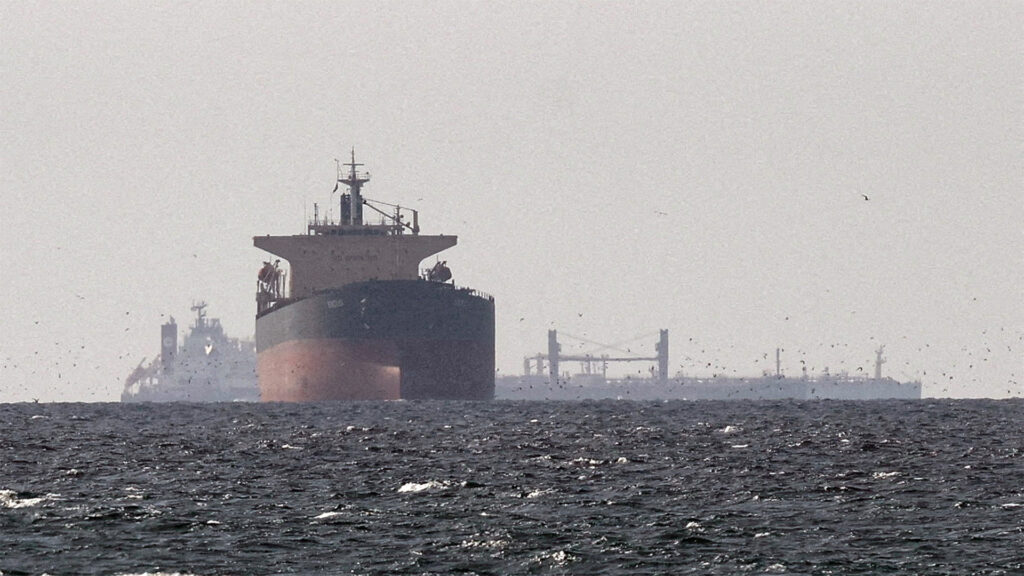
In a recent statement to Al Jazeera, U.S. Secretary of State Marco Rubio emphatically declared that the Strait of Hormuz will reopen “one way or another.” This remark comes amidst ongoing tensions between the United States and Iran, with Iran asserting control over this strategic waterway. The Strait of Hormuz is a critical maritime chokepoint through which a significant percentage of the world’s oil supply is transported, making its accessibility crucial for global energy security.
Secretary Rubio’s comments underscore the U.S. government’s firm stance against Iran’s claims over the Strait. He made it clear that the United States will not recognize Iran’s unilateral control over the strait and is committed to ensuring free navigation for all maritime traffic.
The statement reflects heightened geopolitical tensions in the region, where Iran’s control initiatives have led to increased military presence and occasional confrontations. The U.S. has maintained that any attempt by Iran to close or restrict passage through the Strait of Hormuz would be unacceptable and could escalate into a broader conflict.
Experts note that the Strait of Hormuz is bordered by Iran to the north and the United Arab Emirates and Oman to the south. Its narrowest point is only about 21 miles wide, which makes it a vulnerable area for potential blockades or military standoffs.
Economic implications of any closure or restriction are significant, with global oil prices likely to surge if access to the strait is impeded. The international community has expressed concern over the stability of this key corridor and the repercussions for global markets.
In response to these developments, the U.S. Navy has increased its naval presence in the region to safeguard shipping lanes and deter any aggressive actions. Additionally, diplomatic efforts continue to urge Iran to respect international laws regarding freedom of navigation.
Secretary Rubio’s unequivocal message serves as both a warning to Iran and reassurance to global partners that the United States is committed to maintaining open sea lanes. The declaration also highlights the broader stakes involved, including regional security, energy stability, and international maritime law.
Observers will be watching closely how this situation unfolds, particularly in light of recent incidents involving Iranian forces and commercial vessels. The balance between diplomacy and military readiness remains delicate as all parties seek to avoid an escalation that could disrupt global trade.
In summary, Secretary of State Marco Rubio’s assurance that the Strait of Hormuz will reopen “one way or another” reinforces the critical importance of this maritime passage and the U.S. resolve in countering efforts to restrict access. The global community remains vigilant, hoping for a peaceful resolution to preserve the free flow of commerce through one of the world’s most strategic waterways.