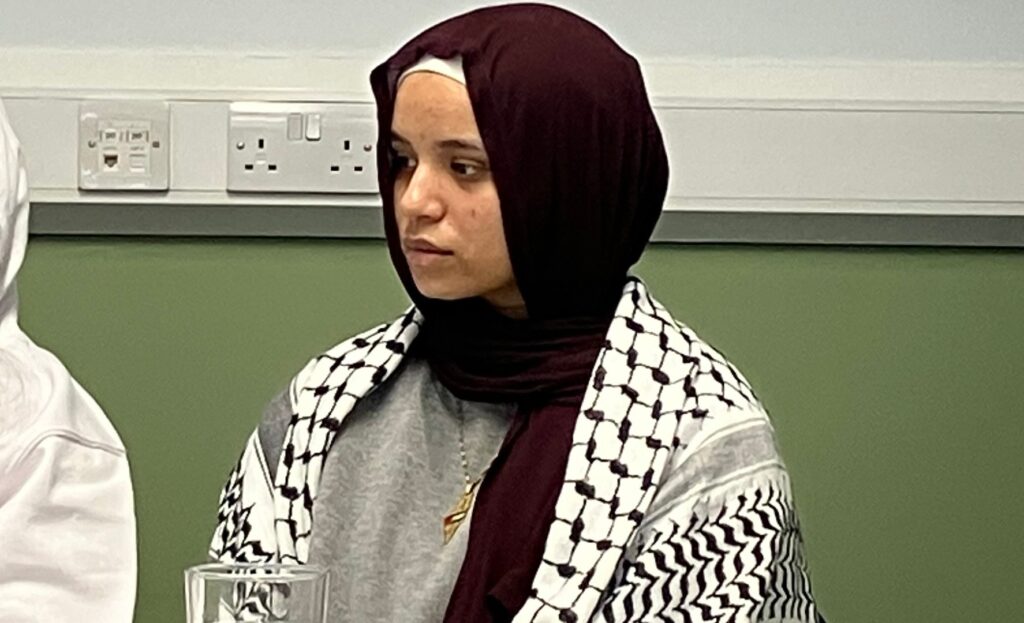
Qesser Zuhrah, a 21-year-old pro-Palestine activist in the UK, was arrested recently, just weeks after being released on bail. Campaigners supporting Zuhrah’s cause believe that his latest arrest is related to a post he made on Instagram. The exact content of the post has not been publicly disclosed, but it is allegedly connected to the activist’s pro-Palestine campaign efforts. Zuhrah’s arrest has raised concerns among human rights and freedom of speech advocates who argue that the action may be an attempt to suppress activism and dissent.
Zuhrah first gained attention for his outspoken stance on the Israeli-Palestinian conflict, using social media platforms to share his views and organize protests. Following his initial arrest, he was granted bail, but the recent incident has reignited debates around the treatment of activists and the limits of expression on social media.
Campaigners have called for Zuhrah’s immediate release, emphasizing the importance of safeguarding democratic rights, including the right to peaceful protest and freedom of expression. They contend that social media posts should not be grounds for arrest unless they incite violence or hate speech, neither of which Zuhrah is accused of.
This latest development highlights the ongoing tensions within the UK regarding activism related to international conflicts, social media’s role in activism, and the balance between national security and civil liberties. The authorities have not issued a detailed statement about the reasons behind the arrest but continue to monitor the situation.
Observers point out that this case comes at a sensitive time as political discussions intensify around the Israeli-Palestinian conflict globally. Activists like Zuhrah often find themselves at the intersection of law enforcement scrutiny and political controversy, making their role both critical and precarious.
The pro-Palestine movement in the UK remains active, with many continuing to advocate for Palestinian rights and raising awareness through marches, social media campaigns, and public speeches. Zuhrah’s arrest has, if anything, galvanized more supporters who see the action as an attempt to silence a significant voice in the movement.
Legal experts suggest that the case could set important precedents for how activist social media content is treated under UK law. It may prompt a reexamination of legislation dealing with digital expression and the rights of activists to engage in social commentary without fear of unwarranted legal repercussions.
As the situation develops, humanitarian and legal organizations are watching closely to ensure that Zuhrah’s rights are protected. They stress that activism is a vital part of democracy and that peaceful political expression must be upheld even when it involves controversial issues.
In conclusion, the arrest of Qesser Zuhrah serves as a reminder of the complexities at the intersection of social media, activism, and the law. It underscores the ongoing debates about freedom of speech, political activism, and law enforcement’s role in managing dissent in the digital age. The outcome of this case could have lasting implications for activists and civil liberties advocates in the UK and beyond.