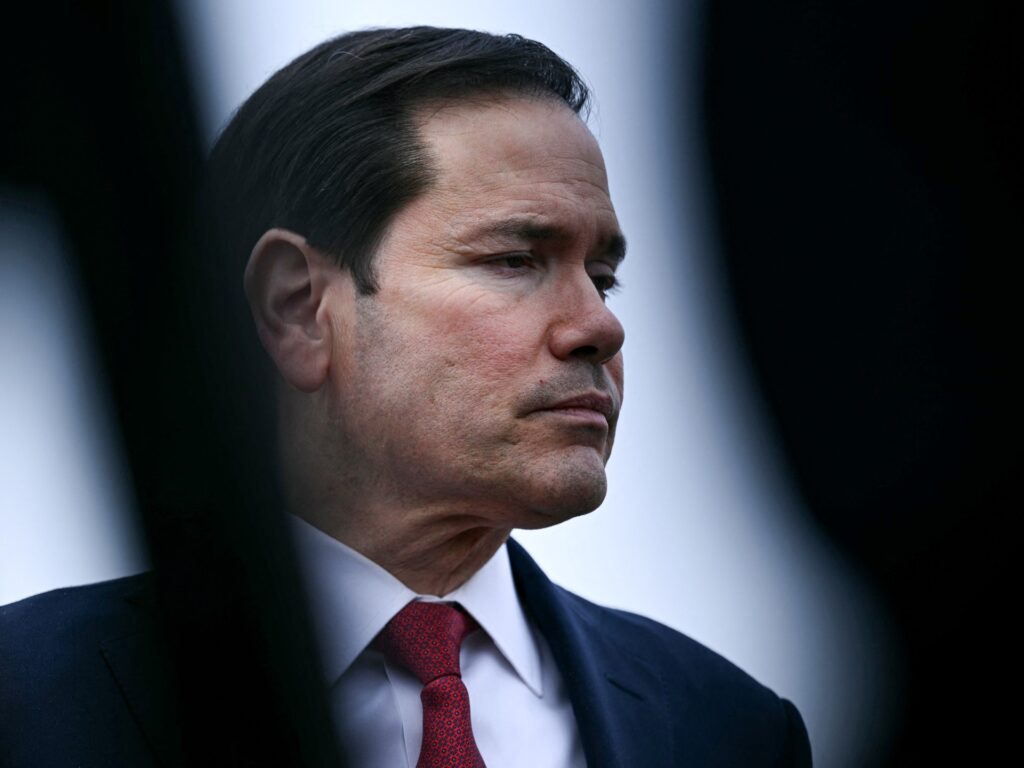
In a recent statement to Al Jazeera, U.S. Senator Marco Rubio emphasized that the Strait of Hormuz, a critical maritime chokepoint, will reopen “one way or another.” The Strait of Hormuz is a vital corridor for global oil shipments, and its closure or disruption has significant implications for international energy markets and geopolitical stability.
Senator Rubio’s remarks come amid heightened tensions in the region, where naval incidents and sanctions have threatened safe passage through the strait. He underscored the strategic importance of ensuring freedom of navigation and the necessity of countering efforts that seek to block or restrict access.
According to Rubio, maintaining open sea lanes in the Strait of Hormuz is essential not only for the energy security of many nations but also for global economic stability. He conveyed confidence that diplomatic, economic, or if necessary, military measures will be employed to guarantee the strait remains accessible.
The Strait of Hormuz is situated between the Persian Gulf and the Gulf of Oman and serves as a gateway for roughly a fifth of the world’s petroleum exports. Due to its narrow geography, it has long been a flashpoint for regional conflicts, making any threat to its operation a matter of international concern.
Rubio reiterated the United States’ commitment to working with allies and partners to ensure the safe transit of vessels and urged continued vigilance against threats that aim to undermine maritime security.
This statement adds to the ongoing discourse about the balance of power in the Middle East and highlights the critical nature of the Strait of Hormuz in global geopolitical strategies. Stakeholders worldwide are closely monitoring the situation, recognizing that stability in this region affects not just local actors but the entire international community.