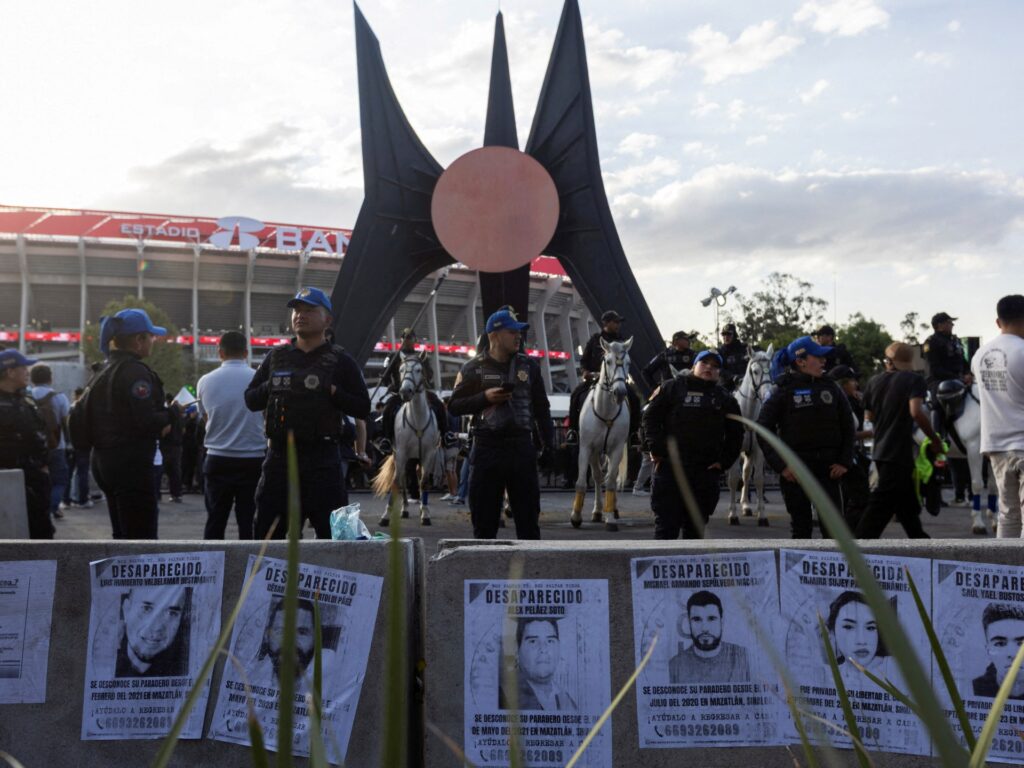
As preparations intensify for the 2026 FIFA World Cup, scheduled to be hosted by the United States along with Canada and Mexico, Amnesty International has issued a caution about potential human rights risks associated with the event. This warning comes as millions of fans from around the world are expected to attend the tournament, raising concerns about the safety and welfare of attendees and local communities.
Amnesty International, a global human rights organization, emphasizes that large-scale sporting events like the World Cup can sometimes lead to violations of human rights, including discrimination, poor working conditions, and issues linked to security measures. The organization is calling for proactive measures to ensure that all stakeholders prioritize human rights protections ahead of the event.
One area of concern highlighted by Amnesty is the treatment of migrant workers involved in the infrastructure and construction projects related to the World Cup venues. Similar events in the past have faced criticism for exploitation and unsafe labor conditions faced by such workers. Amnesty is urging the host cities and nations to enforce strict labor laws and maintain transparency regarding the workforce’s treatment and safety.
Crowd safety and public order management are also critical issues. Amnesty International stresses that security measures implemented to protect fans must not infringe upon civil liberties or lead to excessive use of force. The organization is advocating for balanced policies that safeguard both security and human rights.
Additionally, the influx of fans could exacerbate existing social inequalities in host cities. Amnesty warns that vulnerable groups, including homeless populations and minority communities, may face displacement or increased discrimination during the event. Authorities are urged to develop inclusive policies that protect these groups and ensure equitable access to public spaces and resources.
Amnesty International’s warning serves as a reminder that while the World Cup is a celebration of football and international unity, it must not come at the cost of human rights. To that end, the organization recommends ongoing monitoring by independent human rights observers during the event to identify and address any violations promptly.
The 2026 World Cup is expected to be the largest in history, with 48 teams participating and matches taking place across 16 cities in the US, Canada, and Mexico. The scale of the event makes it all the more important to implement comprehensive human rights protections, ensuring a safe, fair, and inclusive environment for everyone involved.
As the world eagerly anticipates the kickoff in 2026, Amnesty International’s call to action highlights the critical need for vigilance and accountability. The success of the tournament will ultimately be measured not only by the quality of the games but also by the respect for human dignity and rights during this global celebration.