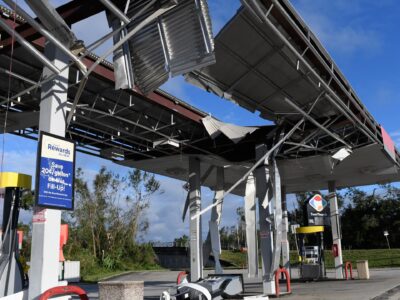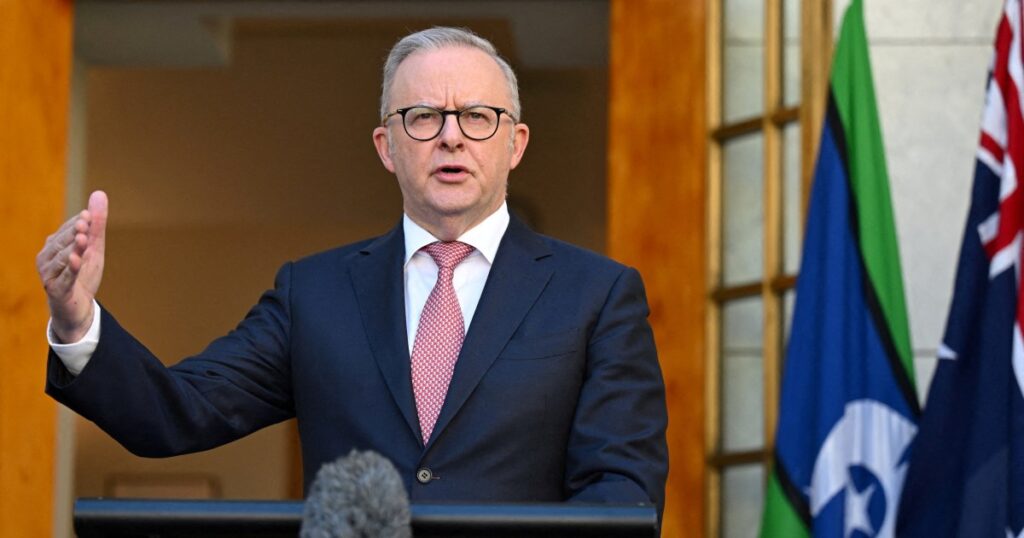
In response to the escalating global energy crisis, Australia has announced a significant policy measure to alleviate the financial burden on consumers. Prime Minister Anthony Albanese revealed plans to halve the fuel tax as crude oil prices surged beyond $116 per barrel, marking a critical point in the worldwide energy market.
The decision comes amid growing concerns over the rising cost of fuel, which has affected economies and households globally. The increase in crude oil prices has been driven by a combination of geopolitical tensions, supply chain disruptions, and growing demand post-pandemic.
Australia, like many other nations, has been grappling with inflationary pressures, and fuel costs have been a major contributor. By halving the fuel tax, the government aims to reduce the price at the pump, thereby easing the cost of living for its citizens.
Prime Minister Albanese stated that the tax cut represents a pragmatic approach to support both consumers and the broader economy. “We understand the pressures faced by Australians at a time when energy costs are soaring,” he said. “This reduction in fuel tax is part of our commitment to provide relief and to ensure that our economy remains resilient.”
The fuel tax in Australia traditionally contributes significantly to government revenue, funding infrastructure and public services. However, the current crisis has prompted a re-evaluation of priorities.
Experts have noted that while the tax cut provides immediate relief, it is also a temporary measure. Longer-term solutions are necessary to address the root causes of energy price volatility, including investment in renewable energy sources and diversification of energy supply.
The global energy crisis has been exacerbated by geopolitical conflicts impacting major oil-producing regions, restrictions on supply, and increased demand as the global economy recovers.
Australia’s move to adjust fuel tax is likely to influence other countries facing similar challenges, as governments balance economic stability with environmental and fiscal policies.
Consumer groups have welcomed the tax cut, highlighting the immediate benefit to motorists and freight operators who are facing rising operational costs.
However, some environmental advocates express concern that reducing fuel tax might discourage the transition to cleaner energy alternatives, potentially slowing down efforts to combat climate change.
The government’s approach to these competing demands will be closely watched by both domestic and international observers.
In the meantime, consumers can expect a noticeable decrease in fuel prices as the tax reduction takes effect, providing some respite during a period of economic uncertainty.
This announcement underscores the complex interplay between global commodity prices, government policy, and economic wellbeing in the context of an ongoing energy crisis.