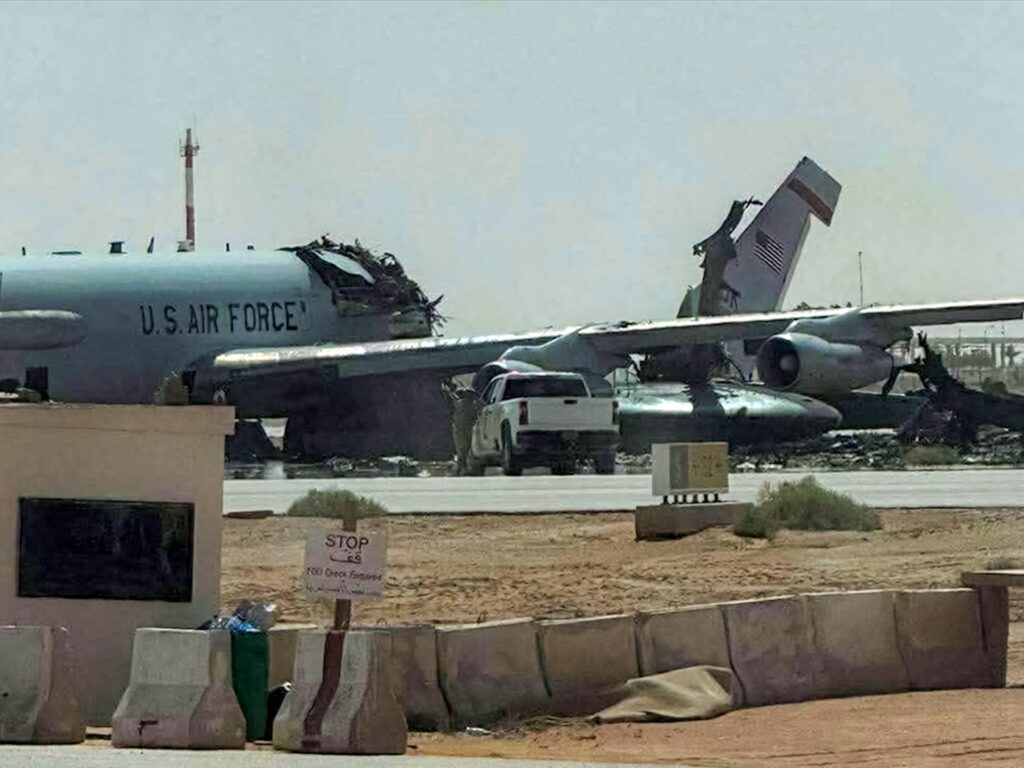
The ongoing conflict involving Iran continues to escalate with serious incidents reported across the Gulf region. In a current development, an Indian worker has been killed in Kuwait due to an attack attributed to Iran. This incident highlights the increasing reach and impact of the hostilities in the Gulf, as tensions between Iran and its regional adversaries remain high.
Kuwaiti officials have confirmed the death of the worker, emphasizing the severity of the situation and the potential for further escalation. The incident has raised concerns about the safety of foreign nationals working in the Gulf amid the ongoing turmoil.
Meanwhile, Israel has reported successfully intercepting drones launched from Yemen, further complicating the conflict dynamics. These drone strikes are believed to be supported by Iranian-backed groups operating in Yemen, aiming to target Israeli territory or assets.
The Gulf region has seen a series of attacks and counterattacks recently, with Iran and its proxies engaging in various military and covert operations. The situation has drawn international attention, with calls for de-escalation and diplomatic efforts to prevent a full-scale war.
The killing in Kuwait and the drone interceptions by Israel underscore the increasing involvement of multiple countries and factions in the conflict, marking a dangerous expansion beyond traditional battlegrounds.
Security experts warn that the continuation of such attacks could destabilize the Gulf further, impacting global energy supplies and international trade routes passing through critical chokepoints like the Strait of Hormuz.
Governments around the world are closely monitoring the developments, with some strengthening their security measures and urging citizens in the region to exercise caution.
The incident in Kuwait also reverberates on a humanitarian level, as many migrant workers in the Gulf face heightened risks due to the conflict.
Political analysts suggest that the situation remains fluid and unpredictable, with diplomatic channels striving to find a resolution amid increasing hostilities.
The interception of drones by Israel indicates an elevated threat level and the possibility of more sophisticated and frequent attacks as the conflict persists.
This multifaceted conflict draws in not only regional powers but also international stakeholders, given the strategic importance of the Gulf and its resources.
In summary, the Iranian conflict has entered a perilous phase with the death of an Indian worker in Kuwait and Israel’s interception of drones from Yemen. These events starkly illustrate the widening scope of violence and potential for broader confrontation in the Gulf region. Authorities and international communities face pressing challenges in navigating this crisis to prevent further loss of life and regional destabilization.