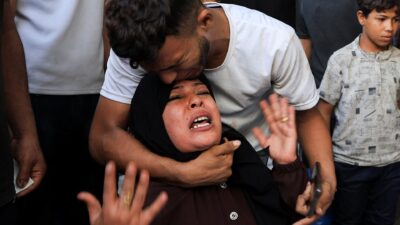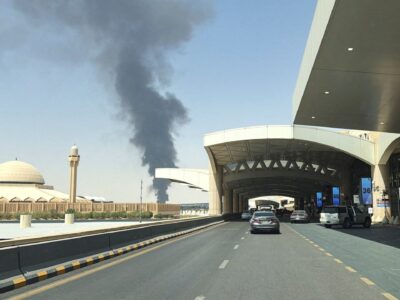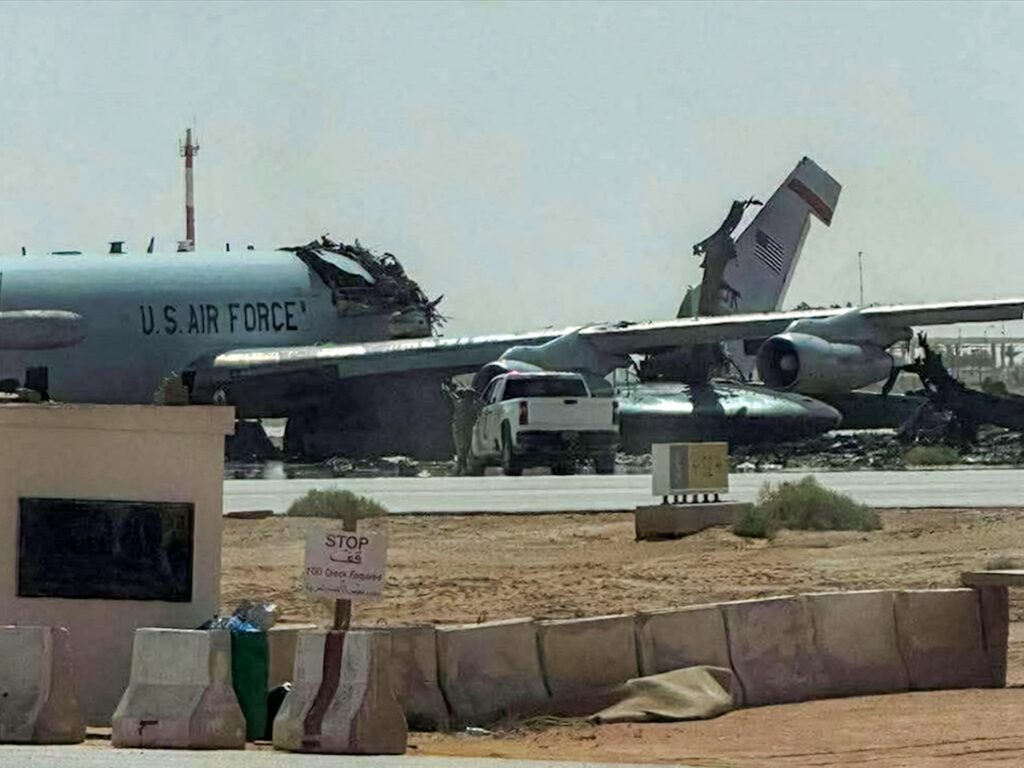
The ongoing conflict in the Gulf region has taken a tragic turn as an Indian worker was killed in Kuwait following an Iranian raid. This incident marks an escalation in hostilities that continue to reverberate across the Middle East. Kuwait authorities confirmed the death, highlighting the risks to civilians amid growing tensions.
In parallel developments, Israel has successfully intercepted and downed multiple drones launched by Houthi forces, a group supported by Iran, underscoring the expanding geographic scope of conflict incidents linked to Iran’s regional influence.
The Gulf region remains on edge as a series of attacks and military responses create a volatile security environment. Iran’s involvement and support for proxy groups like the Houthis have amplified fears of a wider regional war, drawing international attention and concern.
The death of the Indian worker underscores the vulnerability of foreign nationals working in the Gulf, where several countries have extensive expatriate populations involved in various sectors. India has expressed deep sorrow over the loss and has called for ensuring the safety of its citizens abroad.
Kuwait has condemned the attack as a violation of its sovereignty and has convened emergency security meetings to address potential future threats. The incident is likely to impact diplomatic relations and has sparked calls for increased international mediation to prevent further escalation.
Israel’s air defense systems have been actively engaged in countering aerial threats from Houthi drones, which have targeted Israeli and allied interests. These attacks represent a broader proxy conflict in which Iran seeks to exert its influence beyond its borders through affiliated groups.
The situation remains fluid, with continuous updates indicating a high risk of further violence. Nations within and outside the Gulf are monitoring the developments closely, preparing for contingencies and pushing for diplomatic solutions.
The current series of conflicts stem from longstanding geopolitical rivalries and opposing alliances, including those between Iran and Saudi Arabia, supported by their respective allies. The involvement of external powers complicates the path to peace and stability in the region.
Humanitarian concerns are also mounting as the conflict disrupts daily life, threatens infrastructure, and endangers innocent lives. International organizations are calling for restraint and the protection of civilians amid growing instability.
As the Gulf conflict unfolds, the international community is urged to engage in constructive dialogue, aiming to de-escalate tensions and facilitate a peaceful resolution to prevent a broader war with far-reaching consequences.