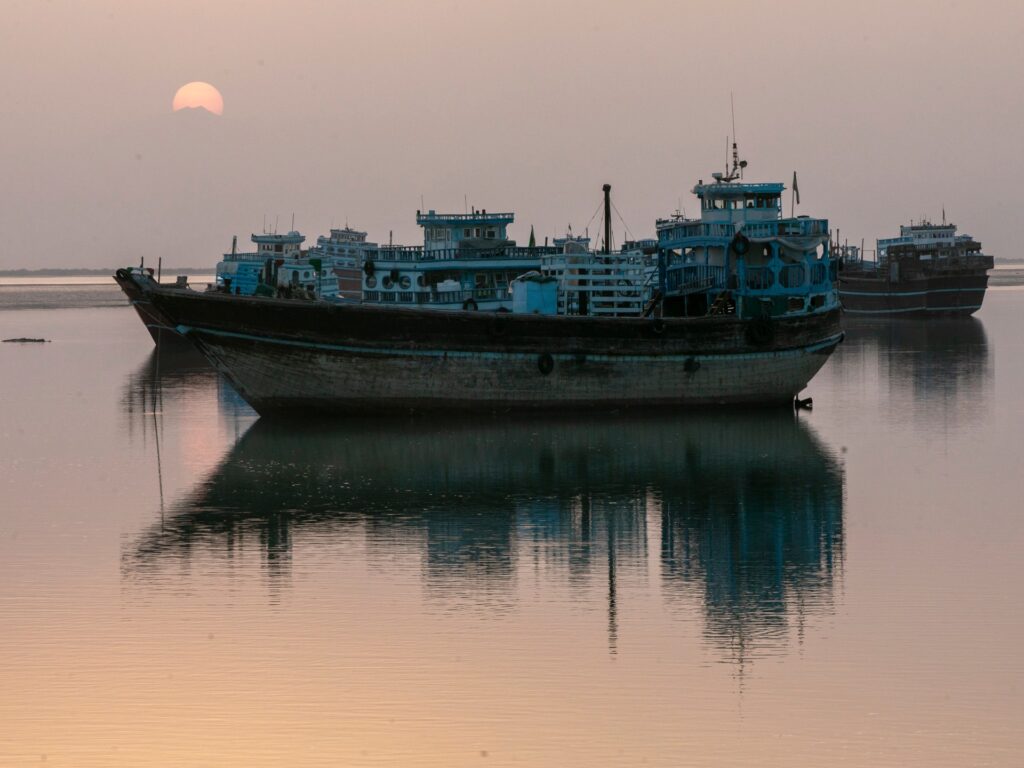
The recent US attack on Qeshm Island marks the first such military strike on the strategic Iranian island since June, signaling a renewed phase in the complex dynamics between Iran and the United States. This event came amid increasing tensions and a backdrop of ongoing geopolitical maneuvers in the region, highlighting a fragile balance between conflict and diplomacy.
Qeshm Island, located in the Strait of Hormuz, is a critical point for maritime traffic and Iran’s military strategy. The US strike, which targeted specific military installations, underscores Washington’s intent to exert pressure on Tehran amid escalating regional hostilities. Despite this aggressive maneuver, political signals from within Iran suggest a concurrent opening for diplomatic engagement.
Ali Pezeshkian, a prominent Iranian political figure, has publicly indicated a preference for dialogue and peaceful resolution amid the heightened conflict. His comments are seen by analysts as an important signal that sections of the Iranian leadership may be seeking to complement their defensive posture with diplomatic efforts.
This paradoxical situation, with military action on one hand and calls for diplomacy on the other, illustrates the multi-layered nature of the US-Iran relationship. While the US aims to deter Iranian influence and military capabilities in the Middle East, Iran appears poised to use diplomacy as a means to mitigate the risk of full-scale confrontation.
Experts point to this dual-track approach as reflective of wider international pressures and the complex realities of regional security. The attack on Qeshm serves both as a message of deterrence and a real test of Iran’s strategic responses. Meanwhile, diplomatic channels remain tentatively open, with international stakeholders urging restraint and negotiation.
In recent weeks, a pattern has emerged where acts of military posturing are met with cautious but clear signals of diplomatic interest. This dual approach may be intended to maintain leverage on both sides, allowing for negotiation without losing strategic ground.
The international community is closely monitoring developments, emphasizing the importance of avoiding escalation and promoting dialogue. Given the global impact of any conflict in this crucial maritime region, the stakes are high for all parties involved.
In summary, the US strike on Qeshm Island coupled with Ali Pezeshkian’s diplomatic overtures highlight a critical juncture in US-Iran relations. The path ahead remains uncertain, but the simultaneous pursuit of military pressure and diplomatic engagement reflects a sophisticated strategy by both nations to navigate an intensely volatile situation.