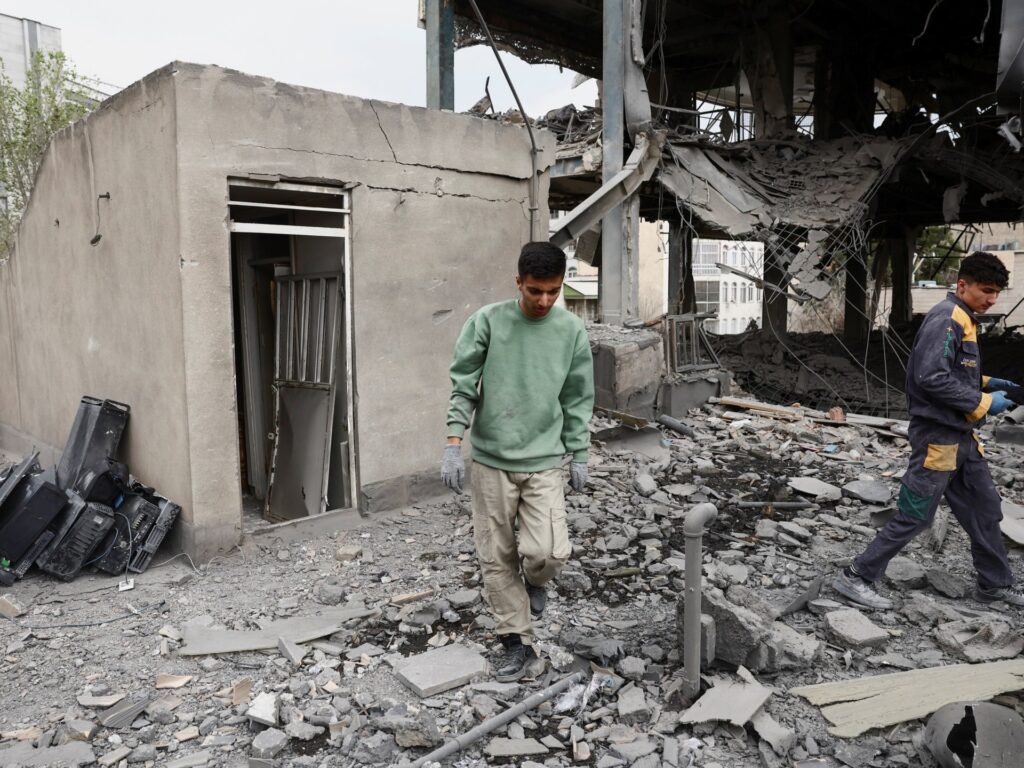
Tensions in the Middle East have escalated significantly as Iran has accused the United States of plotting a ground attack, while Israel has intensified its military bombardment. The volatile situation has drawn international concern as the region braces for potential further conflict.
Iran’s Ministry of Energy reported power outages in Tehran, the capital city, which officials linked to recent attacks. Efforts to restore power are currently underway, highlighting the immediate impact of the ongoing conflict on civilian life.
The backdrop to this crisis is a sharp increase in hostilities, with Israel stepping up aerial bombardments targeting Iranian interests and allied militia locations. Israel’s Defense Forces have cited retaliatory motives and preemptive security measures in response to perceived threats from Iran and its proxies.
Meanwhile, Iranian authorities have publicly accused the United States of plotting a ground assault, signaling a serious degradation in US-Iran relations. This claim further complicates the geopolitical landscape, as the US has historically maintained a military presence and strategic interests in various parts of the Middle East.
The increase in violence has raised alarms beyond the region. International stakeholders, including the United Nations, have called for restraint and urged diplomatic measures to avoid a wider conflict that could destabilize global peace and security.
Residents of Tehran and other affected areas are facing disruptions in essential services amid the power outages and security concerns. The Iranian government is mobilizing resources to address the humanitarian implications of these attacks while maintaining a stance of defiance against foreign threats.
Analysts warn that the situation remains highly fluid, with the potential for further escalations. The accused US plot and Israeli military actions could provoke responses from various militias and allies in the region, increasing the risk of a larger confrontation.
This recent surge in violence comes after months of simmering tensions involving territorial disputes, sanctions, and proxy conflicts in the region. The normalization of power in the affected areas is crucial to providing relief to civilians and restoring a sense of stability.
Diplomatic channels are reportedly active behind the scenes, with some nations attempting to mediate between conflicting parties. However, the path to de-escalation remains uncertain, given the deep-seated mistrust and strategic interests involved.
In the meantime, monitoring of the situation continues globally as governments assess their positions and prepare for various contingencies. The coming days will be critical in determining the direction of this crisis and its broader implications for regional and international security.