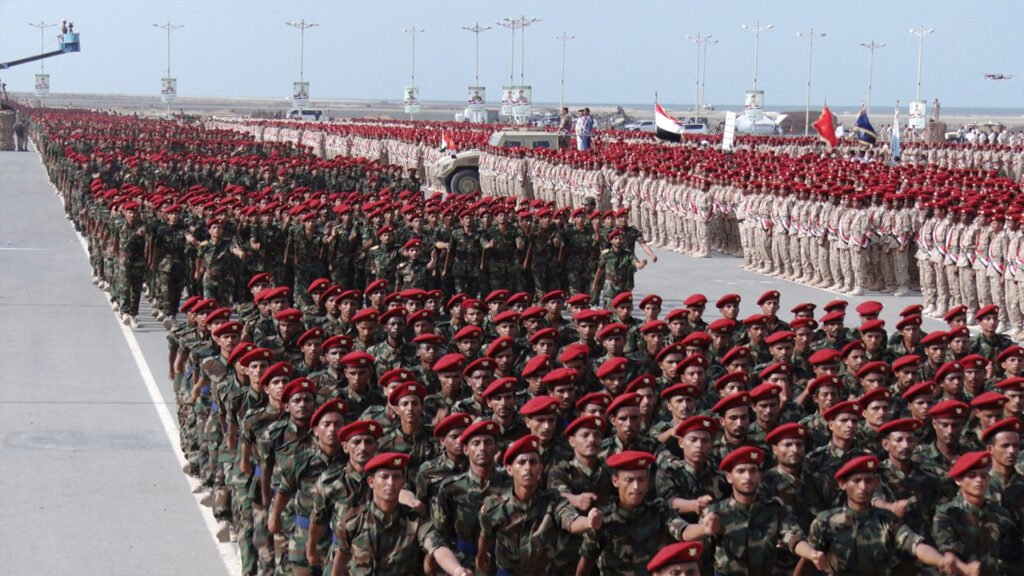
FILE PHOTO: Members of Houthi military forces parade in the Red Sea port city of Hodeida, Yemen September 1, 2022. Houthi Military Media/Handout via REUTERS ATTENTION EDITORS - THIS IMAGE HAS BEEN SUPPLIED BY A THIRD PARTY./File Photo
The conflict dynamics in the Middle East have taken a significant turn as the Houthis, a Yemeni armed group, have expanded their operations by launching their first attacks on Israel. This move opens a new front in an already tense and month-long regional war, with far-reaching implications for security and commerce in the region.
The Houthis, primarily based in Yemen, have been engaged in a prolonged conflict with regional and international actors. Their decision to target Israel marks an escalation that could exacerbate instability across the Middle East. This shift comes amidst heightened tensions involving multiple countries and factions, deepening the complexity of the ongoing war.
One of the critical aspects of this latest development is the potential risk to Red Sea shipping. The Red Sea is a vital maritime route, serving as a conduit for global trade, including energy shipments from the Gulf to Europe, Asia, and beyond. It is also the pathway connecting the Mediterranean Sea via the Suez Canal, making it strategically essential for international trade and energy security.
The emergence of this new front may threaten the safety and security of maritime traffic along the Red Sea. The Houthis have a history of targeting shipping vessels and ports in the region. Their expanded reach towards Israel increases the likelihood of maritime disruptions, including attacks on commercial vessels traversing these waters.
Such disruptions could have significant economic repercussions globally, by increasing shipping insurance costs, causing rerouting of vessels, and possibly leading to delays in the delivery of goods and energy supplies. The international community, including maritime stakeholders and governments, is closely monitoring the situation to assess potential measures to safeguard these crucial sea lanes.
Furthermore, the conflict’s expansion highlights the fragile nature of regional security and the intricate web of alliances and hostilities in the Middle East. The involvement of the Houthis against Israel may further complicate diplomatic efforts aimed at conflict resolution and could draw in other regional powers further.
In summary, the Houthis’ recent attacks on Israel signify a dangerous escalation in the regional conflict, posing new threats to maritime security in the Red Sea. The international community must remain vigilant, coordinating efforts to mitigate risks to shipping lanes vital for global commerce and energy supplies.