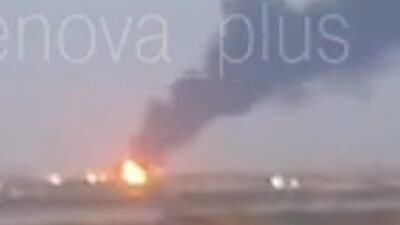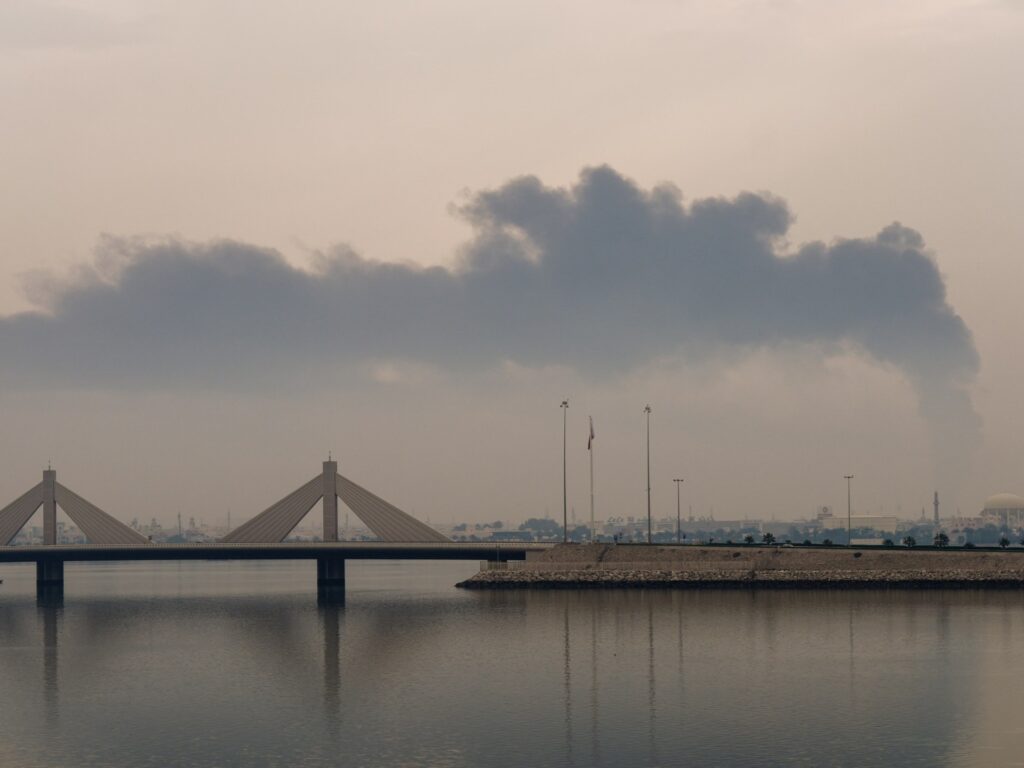
In a significant escalation of regional tensions, Iran’s Islamic Revolutionary Guard Corps (IRGC) has claimed responsibility for attacks targeting aluminium manufacturing facilities in the United Arab Emirates (UAE) and Bahrain. The IRGC stated that these operations were carried out as retaliatory measures responding to what it described as recent US and Israeli strikes on Iranian infrastructure.
According to official statements from the IRGC, the attacks focused on key aluminium production units at Aluminium Bahrain (ALBA) and Emirates Global Aluminium (EGA) in the UAE. Both are among the largest aluminium producers in the Middle East, crucial to the economies of their respective countries and to the global metals market.
The IRGC’s announcement comes amid escalating hostilities and increasing incidences of proxy confrontations between Iran and its regional adversaries, often exacerbated by the involvement of the United States and Israel. Tehran accuses these nations of perpetuating attacks aimed at weakening Iran’s economic and military capabilities.
Details on the nature and extent of the damage inflicted remain sparse. However, the IRGC emphasized that the attacks were precise and intentional, sending a strong message against ongoing foreign aggression. While no immediate casualties have been reported, the economic implications could be significant given the importance of aluminium exports to both Bahrain and the UAE.
The targeted companies have yet to release comprehensive statements regarding the incident. Industry experts warn that disruptions in aluminium production could have ripple effects on the regional supply chain and potentially impact global aluminium prices, especially if the conflict continues to escalate.
International reactions have been cautious, with calls for restraint and dialogues to prevent further deterioration of stability in the Gulf region. The United Nations and several diplomatic entities urged all parties to de-escalate tensions and engage in peaceful conflict resolution.
Analysts note that this attack is part of a broader pattern of tit-for-tat incidents following increased covert and overt conflicts involving Iran, Israel, and allied Gulf states. The strategic targeting of economic assets signals a shift towards inflicting economic pain to leverage diplomatic negotiations.
Bahrain and the UAE, both key US allies in the Persian Gulf, have fortified their security measures in response to the attacks. They emphasize their commitment to safeguarding critical infrastructure from further aggression.
The situation remains fluid, with regional security and economic stability hanging in the balance as diplomatic efforts attempt to mediate the rising tensions. Continued monitoring and international engagement are viewed as essential to prevent escalation into a larger conflict.
This development highlights the fragility of peace in one of the world’s most geopolitically sensitive regions, underscoring the risks posed by military and economic confrontations intertwined with global political rivalries.