Tensions continue to escalate in the Middle East as the conflict involving Iran intensifies. In the latest diplomatic efforts to seek resolution, diplomats from Pakistan, Egypt, Turkey, and Saudi Arabia have convened in Islamabad for critical discussions. The meeting aims to address the ongoing hostilities and explore potential pathways towards de-escalation and peace.
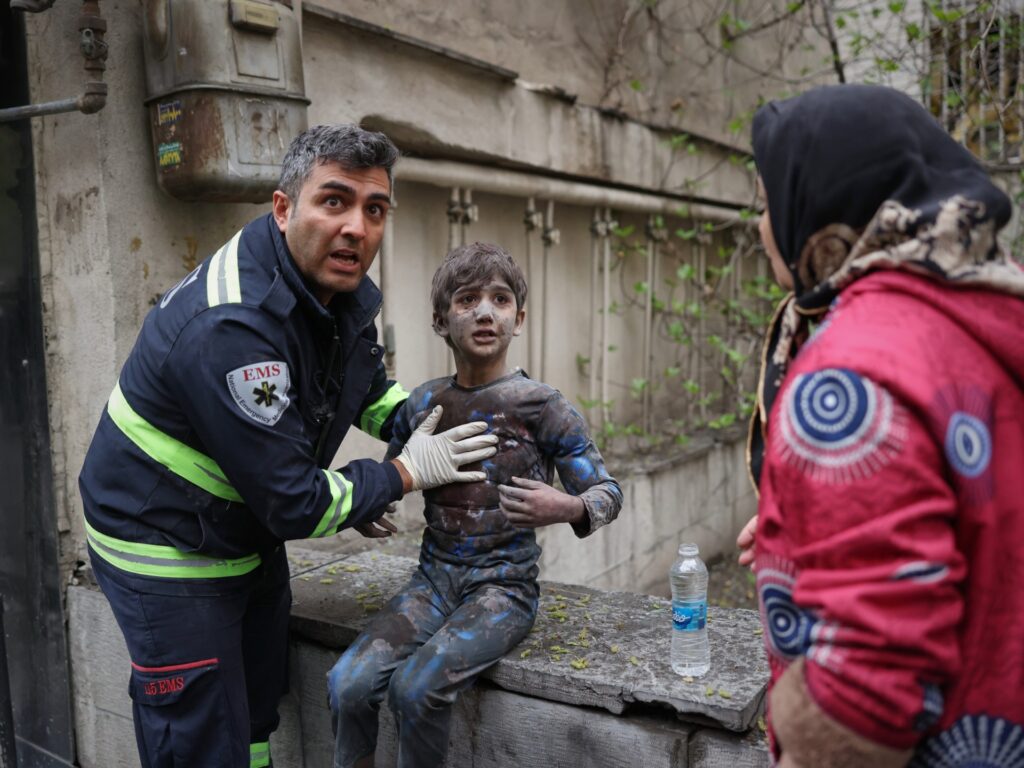
Simultaneously, the human cost of the conflict has come to the forefront with recent attacks resulting in tragic loss of life. In Iran’s Bushehr province, a family of four was killed in violent attacks, underscoring the severe impact of the hostilities on civilians.
The ripple effects of the war are being felt globally, sparking widespread antiwar sentiment. Protesters have taken to the streets in various cities, including Tel Aviv and locations across the United States. These rallies call for an end to the conflict and emphasize the demand for peaceful resolutions to the crisis.
The convergence of diplomatic talks in Islamabad and grassroots protests worldwide highlights the dual approach being taken to address the conflict—through both official negotiations and public advocacy.
Pakistan’s role as host for the diplomatic meeting reflects its strategic position and interest in regional stability. Egypt, Turkey, and Saudi Arabia’s participation signals a collective regional effort to mitigate the conflict and prevent further escalation.
As diplomatic talks begin, the international community watches closely, hoping for breakthroughs that could lead to ceasefire agreements and long-lasting peace.
In the meantime, the situation remains volatile, with continued attacks in various parts of Iran and neighboring regions. The loss of civilian lives, such as the recent tragedy in Bushehr province, serves as a grim reminder of the urgent need for conflict resolution.
Antiwar demonstrations are gaining momentum, uniting diverse groups around the world in a call for peace. These protests serve as a powerful reminder to policymakers of the public’s demand to prioritize diplomacy over violence.
The ongoing conflict and its global repercussions reveal the complexity of Middle Eastern geopolitics, with multiple stakeholders and interests involved.
Observers hope that the diplomatic engagement in Islamabad and the voices of the antiwar movement can collectively influence decision-makers towards sustainable peace efforts.
The situation remains dynamic, and further updates are expected as talks progress and as international diplomatic and humanitarian responses evolve.
The world remains cautiously hopeful that these efforts will pave the way for a reduction in hostilities and the protection of civilian lives in the affected regions.