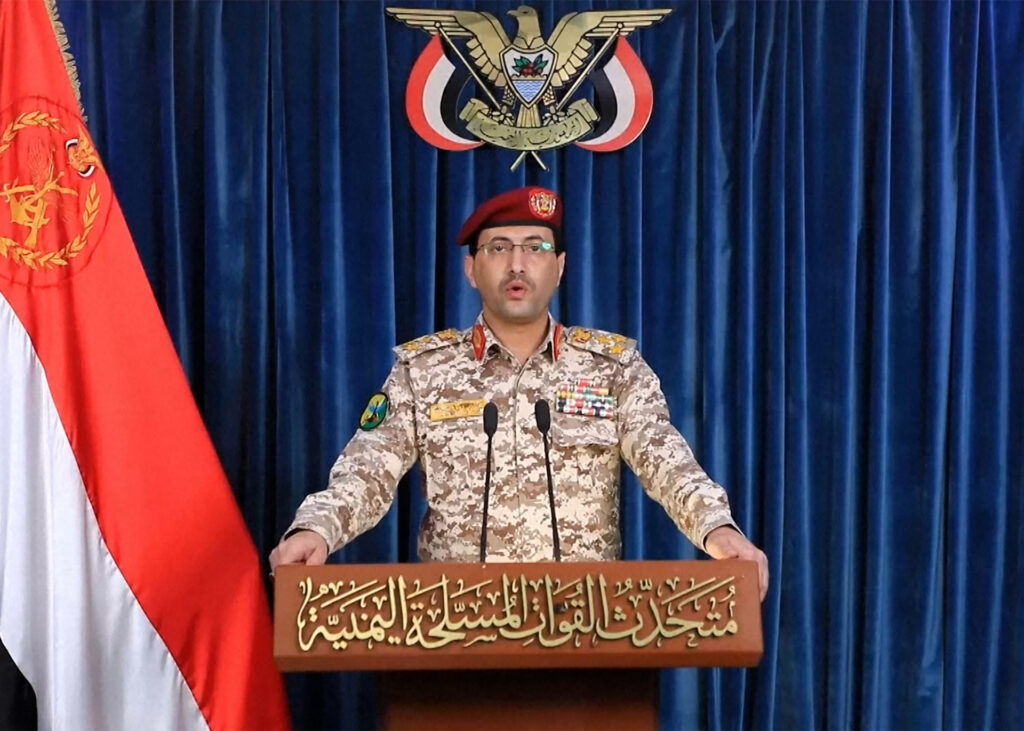
The Houthis, a powerful armed group active in Yemen, have issued a stark warning signaling their readiness for direct military intervention in the escalating conflict involving the US and Israel against Iran. This development adds a new layer of complexity to the already volatile regional dynamics in the Middle East.
Originating from Yemen, the Houthis have long been involved in the country’s internal conflict, but their influence and military capabilities have grown significantly over recent years. The group has often been accused by various international actors of receiving support from Iran, though it maintains its own distinct agenda.
In their recent statement, the Houthis declared that they have their “fingers on the trigger,” a metaphor indicating their preparedness and willingness to engage militarily if provoked or called into action amidst the heightened tensions between the US, Israel, and Iran. This pronouncement is seen as a form of deterrence as well as a warning to external forces considering further aggression in the region.
The US and Israel have been closely monitoring Iran’s activities, citing concerns over nuclear developments and regional proxy conflicts. Iran, meanwhile, has been a central player in multiple Middle Eastern arenas, supporting various allied non-state actors including the Houthis.
Analysts suggest that any direct Houthi involvement in a US-Israeli conflict with Iran could escalate the war beyond current hotspots, potentially drawing Yemen fully into a larger regional war. This scenario raises critical questions about the future stability of the Middle East, where overlapping conflicts and alliances often threaten peace.
The Houthis’ readiness to intervene militarily underscores the complex geopolitical chessboard in the Middle East. Despite being primarily focused on local objectives within Yemen, the group is clearly positioning itself as a significant player on the larger stage by aligning with Iran’s regional interests.
International responses to the Houthis’ announcement have been mixed, with some countries warning against further escalation, while others are calling for renewed diplomatic efforts to prevent broader conflict. The United Nations and other international bodies have repeatedly urged all parties to seek peaceful solutions.
There are fears that this latest warning could lead to increased military actions and potentially more casualties if diplomatic measures fail. The humanitarian situation in Yemen, already dire due to years of conflict, could also worsen if fighting expands.
In conclusion, the Houthis’ statement about being “fingers on the trigger” highlights the precarious nature of Middle Eastern geopolitics where local conflicts intersect with global power struggles. The readiness for intervention by the Houthis could either act as a deterrent or trigger new confrontations, impacting regional and international security.
The international community continues to watch closely, hoping for restraint and dialogue amidst these escalating threats. The situation remains fluid, underscoring the urgent need for diplomatic engagement and conflict resolution to prevent further instability and suffering in the Middle East.