In a deeply concerning escalation, the United States and Israel have intensified their military actions across Iran, leading to a month-long series of attacks that have significantly unsettled the region. This surge in violence has prompted grave reactions within Iran, notably from the Islamic Revolutionary Guard Corps (IRGC), a powerful military branch within the country.
According to a senior IRGC official speaking to state television in Tehran, the security situation has deteriorated to the extent that children over the age of 12 are now being permitted to join armed patrols and man checkpoints. This extraordinary measure underscores the seriousness with which Iranian authorities are treating the external threats and the internal security challenges they face.
The involvement of minors in security roles is a marked departure from international norms and highlights the pervasive sense of vulnerability and urgency in Iran. The decision reflects the IRGC’s strategy to mobilize all available resources to counter the threats posed by the ongoing military actions from US and Israeli forces.
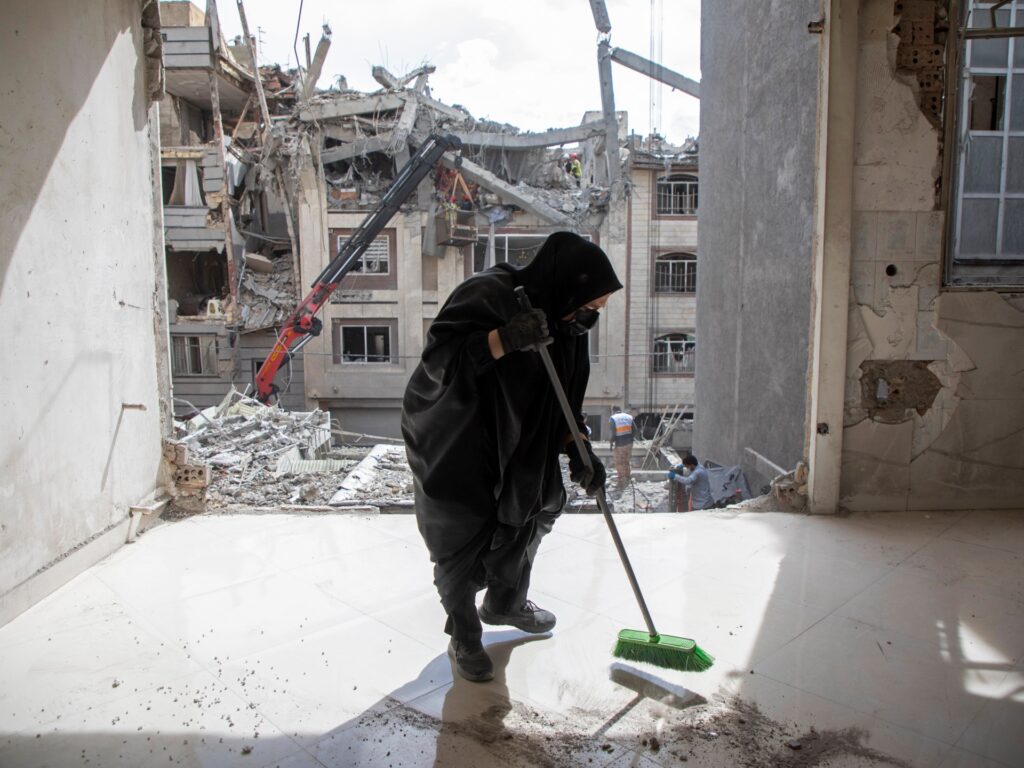
The month-long attacks have targeted various locations within Iran, though specifics remain tightly controlled by both Iranian and allied governments. The nature of these attacks suggests a coordinated effort to destabilize Iran’s internal security and exert pressure on its political and military leadership.
Internationally, these developments have sparked widespread concern. Human rights organizations have condemned the use of children in armed roles, calling for immediate protection of minors and adherence to international humanitarian standards. Meanwhile, geopolitical analysts warn that the intensification of military actions risks drawing the broader region into an escalating conflict.
The background to these attacks is rooted in longstanding tensions between Iran and the United States and Israel. Issues ranging from Iran’s nuclear program, regional influence, and its support for proxy groups across the Middle East have fueled a protracted conflict that periodically flares into direct confrontation.
In Tehran, streets are reportedly filled with armed groups, a sight reminiscent of times of intense conflict. The increased militarization of everyday life has had profound effects on the civilian population, contributing to heightened fear and disruption of normal activities.
Many Iranian citizens express deep concerns over the use of children in combat-related roles, fearing the long-term consequences not only on the individuals involved but on the social fabric of the nation. Psychological trauma, disruption of education, and the normalization of violence among youth present serious challenges moving forward.
Regional powers have called for restraint and dialogue, urging all parties to de-escalate tensions and seek peaceful solutions. However, the current trajectory seems to be one of continued conflict, with little indication that diplomatic efforts are successfully taking hold.
As the situation unfolds, the world watches anxiously, hoping for a resolution that can restore stability and security to a region once again on the brink of wider violence. The involvement of young individuals in armed roles stands as a stark symbol of the desperation and intensity of this escalating conflict.