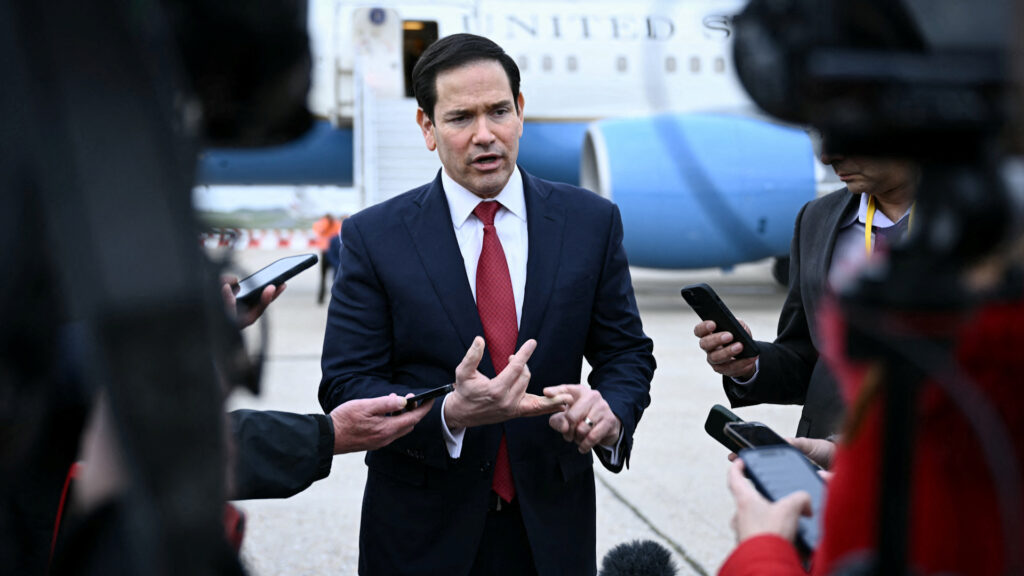
US Secretary of State Marco Rubio recently stated that the United States anticipates the military operation in Iran to conclude within weeks rather than months. This declaration reflects the current strategic outlook of the US government regarding its engagement in the region.
Rubio’s statement suggests a level of confidence in the effectiveness and swiftness of the US military efforts in Iran. The expectation of a shorter timeline contrasts with earlier predictions by some analysts who foresaw a prolonged conflict.
The context of this military operation is rooted in longstanding tensions between the United States and Iran, involving geopolitical disputes, economic sanctions, and regional security issues. The US has been actively involved in actions intended to curb Iran’s military and nuclear capabilities.
Rubio’s remarks are significant as they may indicate impending developments or changes in US military strategy and diplomatic efforts in the Middle East. The projected timeline implies that the US aims for a decisive outcome that limits the duration of conflict, potentially minimizing further instability.
This statement also has implications for international relations, as a brief conflict could affect global markets, alliances, and the diplomatic stance of other countries involved or concerned with the situation.
Critics and observers are closely monitoring the unfolding events to assess the feasibility of the timeline Rubio has projected. Skepticism remains among some experts who highlight the complexities of military engagements and the unpredictability of outcomes in such conflicts.
In summary, US Secretary of State Marco Rubio’s assertion that the Iran war is expected to end in weeks, not months, underscores a strategic outlook focused on rapid resolution. The international community and stakeholders continue to watch developments with cautious attention, given the broader implications of the conflict on regional and global stability.