As El Salvador’s state of emergency marks its four-year anniversary, a silent crisis unfolds behind the headlines: the growing number of children left parentless due to mass arrests. Introduced to combat rampant gang violence, the emergency decree has led to thousands of detentions, reshaping the lives of countless families and exposing the vulnerable to profound hardships.
Since the decree’s inception, authorities have detained tens of thousands of suspected gang members. While the government’s hardline approach has garnered some praise for reducing violent crime rates, the human cost is becoming increasingly evident. Among the most affected are children whose parents have been swept up in the crackdown.
Families and advocacy groups warn of the deep psychological, social, and economic toll on these children. Many have been left without parental care, thrust into uncertain futures. Grandparents, relatives, or community members often step in as guardians, but resources and support are severely strained.
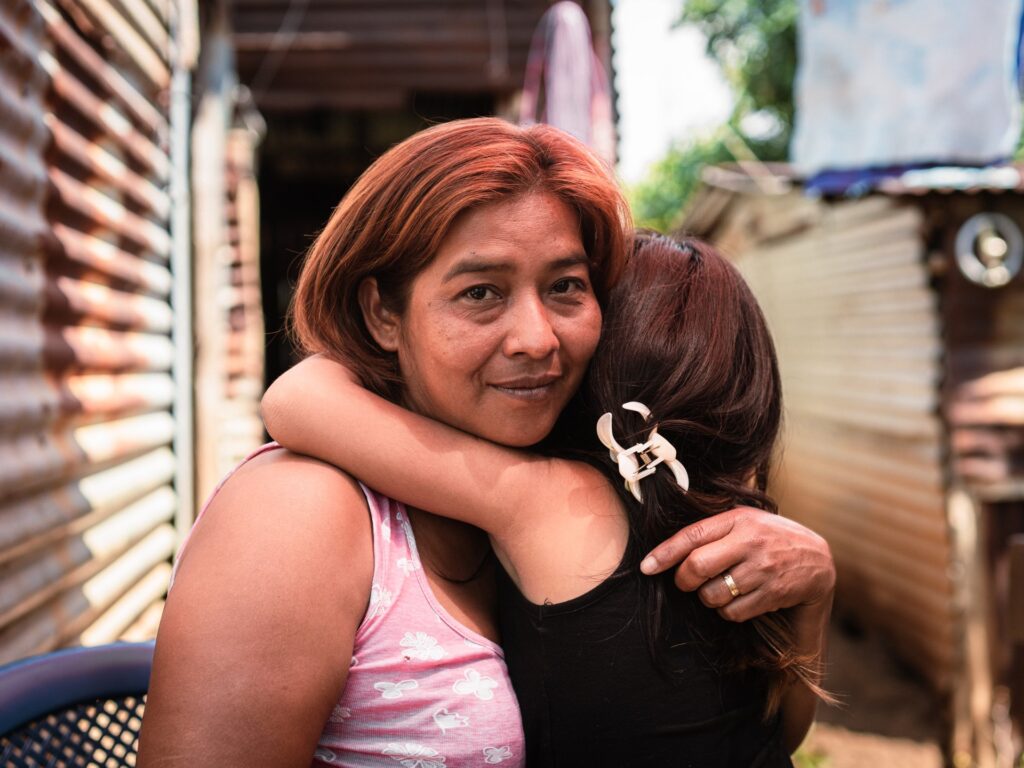
Maria, a grandmother from San Salvador, shares her story. Her two grandchildren were left behind when their father was arrested under the emergency decree. “They don’t understand why he’s gone,” she says. “Each day is a battle to keep them safe and provide for their needs. The government should think about the children too.”
Children face not only economic instability but also emotional trauma and social stigma. Schools report increasing numbers of pupils grappling with anxiety, depression, and behavioral issues linked to parental detentions. Psychologists emphasize the importance of targeted mental health services, often lacking in affected communities.
The state’s response to the children’s plight has been mixed. While some programs aim to support families and provide counseling, the scale of the issue exceeds available resources. Critics argue that a more comprehensive policy approach is needed, one that balances security concerns with social welfare.
Human rights organizations have raised alarms about prolonged detentions without trial and the risk of separating families permanently. They call for urgent reforms that include restoring parental rights and enhancing support systems for children caught in the emergency decree’s wake.
Meanwhile, community leaders have initiated grassroots efforts to aid affected children, offering educational programs, safe spaces, and psychological support. These initiatives are vital lifelines but require greater funding and governmental partnership to effectively meet demand.
The emergency decree’s four-year mark is a poignant reminder of the unseen faces behind El Salvador’s security measures. As the nation continues to grapple with gang-related violence, it must also reckon with the humanitarian consequences borne by its youngest and most vulnerable citizens.
Ultimately, addressing the needs of children left orphaned or parentless by the state’s crackdown is crucial for breaking cycles of violence and poverty. Without concerted action, an entire generation risks being lost to the shadows cast by efforts to protect the wider society.
The stories of these children underscore a vital truth: national security and human security must go hand in hand. Only through inclusive, compassionate policies can El Salvador hope to forge a safer, more just future for all its people.