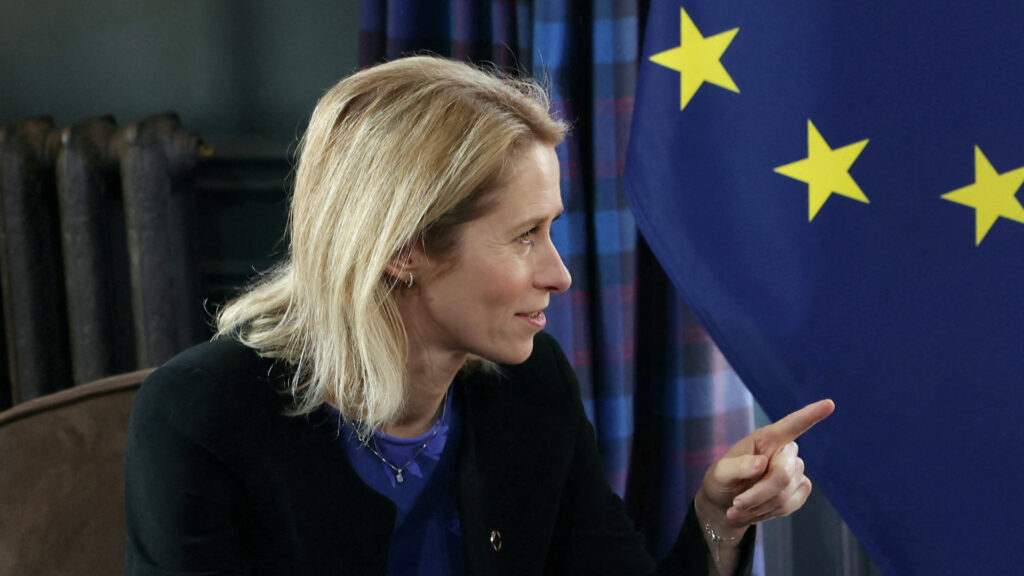
In a significant international diplomatic appeal, the European Union’s Foreign Policy Chief, Kaja Kallas, has urged the United States to leverage its influence on Russia to cease the assistance it provides to Iran. Kallas highlighted concerns over the geopolitical ramifications of Russia’s support, emphasizing the need for concerted international efforts to address the issue effectively.
During a recent statement, Kallas underscored that the ongoing assistance from Russia to Iran could exacerbate regional tensions and destabilize global security frameworks. She pointed out that the EU views this collaboration as a serious challenge that requires a unified response from Western allies, particularly the United States, given its pivotal role on the global stage.
“It is imperative that the US takes a strong stance and engages with Russia to halt its support for Iran,” Kallas asserted, signaling the EU’s strategic approach towards mitigating the risks posed by these international dynamics. The call to action indicates the EU’s broader commitment to promoting peace and stability in regions affected by the complexities of international alliances.
This appeal comes amid heightened concerns about Iran’s activities in various geopolitical contexts and the role external support plays in enabling such actions. The EU is evidently looking to the United States to utilize its diplomatic and economic pressure capabilities to influence Russia’s policies.
Kallas’s remarks reflect the EU’s proactive foreign policy stance and its efforts to forge stronger partnerships with the US to manage global challenges. The cooperation between these entities is considered crucial in preventing escalations that might arise from the support Iran receives through alliances like that with Russia.
As the global community watches closely, responses from both the US and Russia are anticipated. The outcome of this diplomatic urging could shape the trajectory of international relations, security policies, and the geopolitical landscape involving Europe, the Middle East, and beyond.
In conclusion, the EU’s top diplomat’s call to the US highlights the intertwined nature of international diplomacy and the importance of collective action to address pressing global issues. The situation remains dynamic, with potential implications for future diplomatic negotiations and international cooperation frameworks.