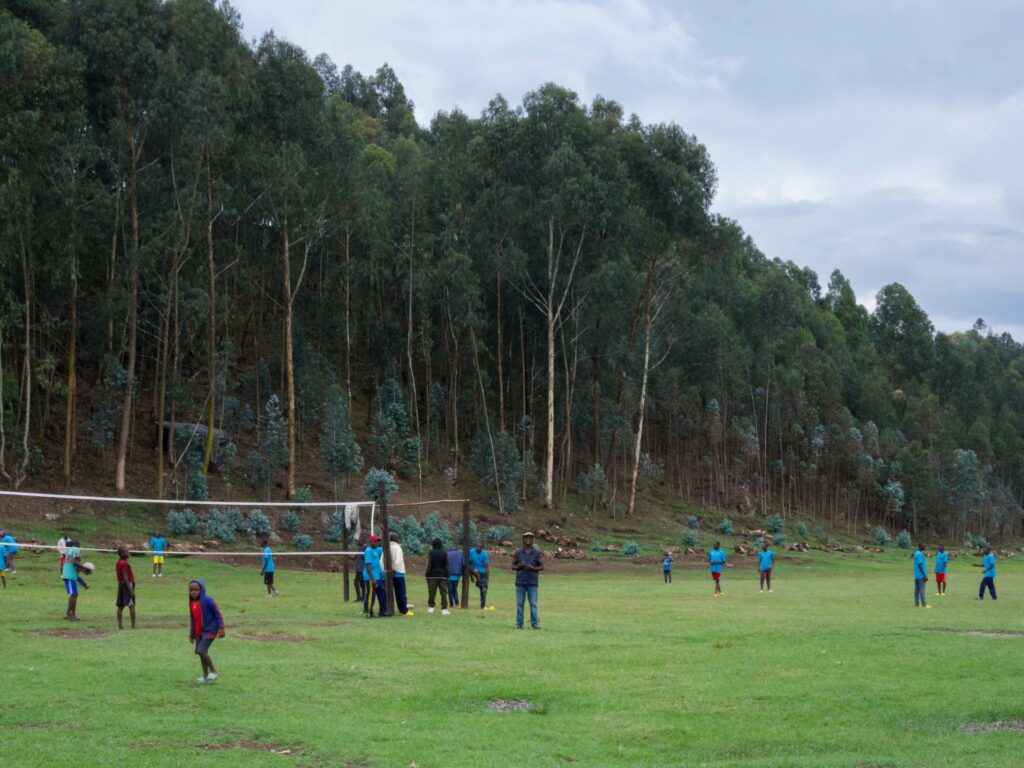
The journey of former FDLR (Democratic Forces for the Liberation of Rwanda) fighters returning to Rwanda marks a significant chapter in post-conflict recovery and reconciliation. These individuals, who once operated from forest bases, particularly in the Democratic Republic of Congo (DRC), are now confronting the formidable task of reintegration into civilian life in places like Mutobo, Rwanda.
The FDLR has long been one of the armed groups involved in the conflicts that plagued the Great Lakes region of Africa. Its members, many of whom are remnants of the perpetrator groups in the 1994 Rwandan genocide and others motivated by various complex political and ethnic grievances, have been living in exile, primarily in the forests of the DRC.
In recent years, efforts by the Rwandan government, supported by international organizations and donor countries, have facilitated the voluntary surrender and repatriation of FDLR combatants. These initiatives aim to curb the armed group’s destabilizing activities and foster peace and security in the region.
Upon their return, former fighters face multiple challenges. Psychologically, they must confront their past actions and trauma, often requiring counseling and support services. Socially, they grapple with stigma and mistrust from communities that suffered from the conflict’s devastation. Economically, reintegration demands viable livelihood opportunities, as many return with few skills or resources to support themselves.
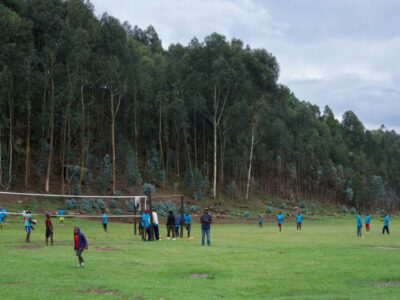
In Mutobo, a rural area in Rwanda, reintegration programs have been established to provide education, vocational training, and social support to ex-combatants. These programs are tailored to rebuild a sense of purpose and belonging. They also involve community sensitization campaigns to encourage acceptance and reconciliation between former fighters and local populations.
The process is not without setbacks. Some ex-FDLR members experience difficulties adapting to peaceful civilian life or face discrimination, which can lead to recidivism or joining other armed groups. Hence, ongoing monitoring and support remain critical to ensure lasting peace.
The journey from forest rebel to engaged citizen underscores the broader themes of justice, healing, and nation-building in Rwanda. It highlights the importance of holistic approaches to reintegration—combining security, social acceptance, and economic empowerment.
The return of former FDLR fighters to Rwanda also provides an opportunity for survivor communities and former combatants to engage in dialogue and restorative justice processes. These initiatives aim to address the wounds of the past and promote reconciliation.
Ultimately, the reintegration of ex-FDLR fighters is a testament to resilience and the possibility of change. It represents Rwanda’s ongoing commitment to peace, reconciliation, and development, setting a precedent for other post-conflict societies grappling with similar challenges.