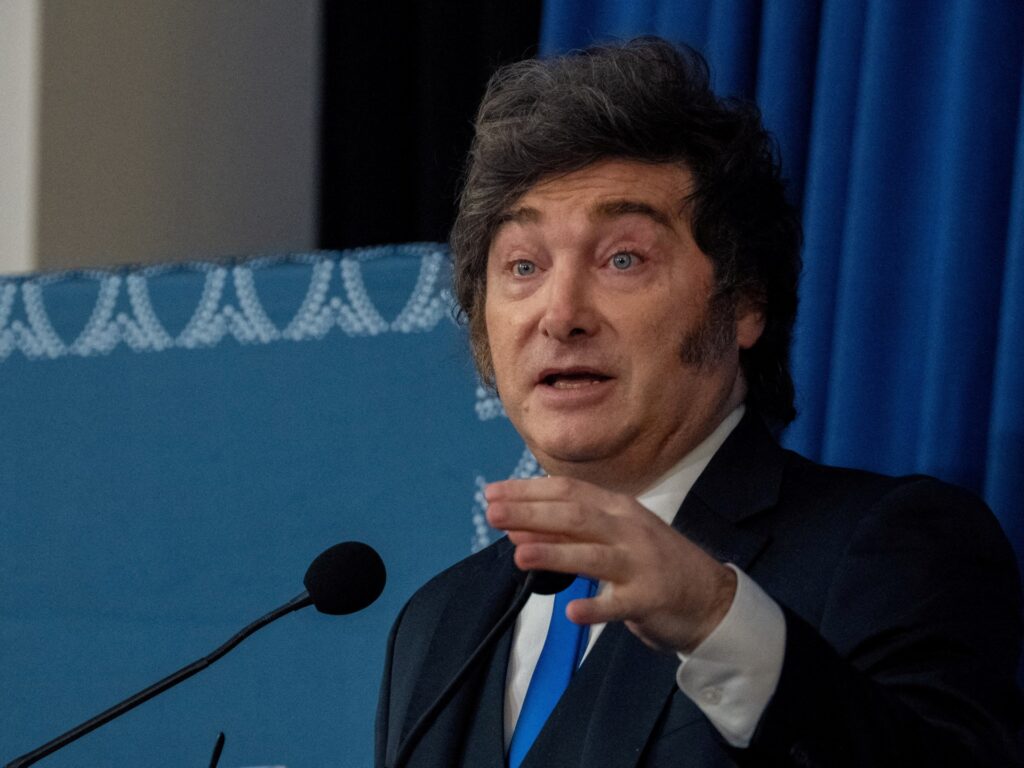
In a significant move to combat organized crime, Argentina has officially declared the Jalisco New Generation Cartel (CJNG) as a ‘terrorist’ organization. This decision was announced by the office of President Javier Milei, underlining the government’s commitment to strengthening law enforcement and international cooperation against transnational criminal networks.
The CJNG, originally based in Mexico, is notorious for its involvement in drug trafficking, violence, and other illicit activities across Latin America. The designation as a terrorist group marks a new chapter in Argentina’s approach to dealing with the cartel, aiming to escalate measures against its influence in the region.
President Milei’s administration emphasized that the classification is intended to facilitate enhanced collaboration with other countries battling similar threats. By labeling the cartel as a terrorist entity, Argentina hopes to leverage international legal frameworks and intelligence-sharing mechanisms to disrupt CJNG operations more effectively.
The move aligns Argentina with efforts by other nations to categorize criminal organizations that use terror tactics and threaten national security as terrorist groups, thereby opening doors to stronger punitive actions and resource allocation.
Law enforcement agencies in Argentina are expected to intensify their operations targeting CJNG cells and affiliates within the country. This includes tightening border controls, increasing surveillance, and working closely with regional partners to dismantle the cartel’s networks.
Experts believe that this designation could lead to increased funding and support from international bodies such as the United Nations and Interpol. It also sends a strong message to criminal groups that Argentina is determined to protect its sovereignty and public safety.
The CJNG has been linked to numerous violent incidents and illegal shipments of narcotics entering Argentina. Authorities warn that without decisive action, the cartel’s activities could escalate, threatening the stability and security of the nation.
President Milei’s government has pledged to maintain a firm stance against organized crime, advocating for comprehensive reforms in the judicial and security sectors to better address the complexities posed by such terrorist-designated groups.
This development is expected to provoke reactions from affected communities and neighboring countries, highlighting the shared challenge of transnational criminal organizations in Latin America.
With this declaration, Argentina joins a global effort to redefine the tools available to governments in the fight against hybrid criminal-terrorist networks, emphasizing the importance of cooperation and innovation in law enforcement strategies.