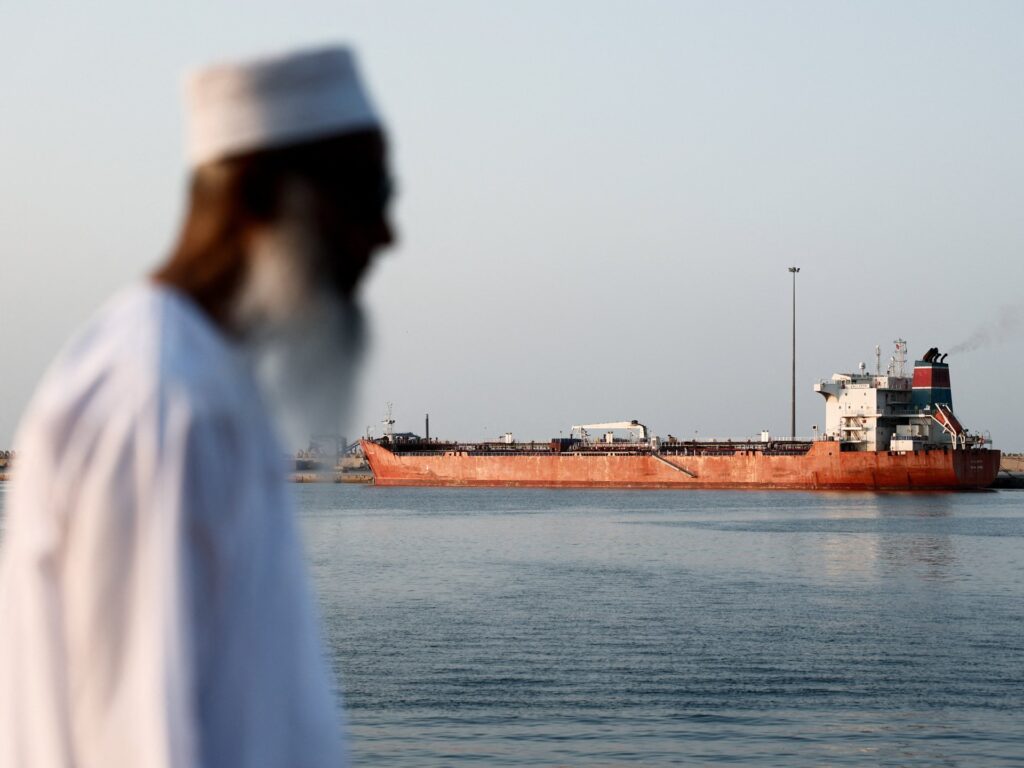
The Strait of Hormuz, a narrow but strategically critical waterway, serves as a vital corridor for the transportation of approximately 20 percent of the world’s oil and liquefied natural gas supplies. Located between Iran and the Arabian Peninsula, this chokepoint has become a focal point of geopolitical tension, with Iran exerting significant influence over the vessels passing through.
Iran’s control over the Strait is often described as operating a ‘toll booth,’ where the Islamic Republic effectively decides which ships may safely traverse this international waterway. This control enables Tehran to wield considerable leverage over the global energy market and regional security dynamics.
The significance of the Strait of Hormuz lies in its volume and the nature of goods transported. About 20 million barrels of oil per day flow through this passage, accounting for a fifth of the world’s crude oil shipments. Additionally, a significant portion of global liquefied natural gas supplies also transits this narrow channel, linking energy producers in the Persian Gulf with consumers across Asia, Europe, and beyond.
Iran’s strategy to regulate passage has involved various tactics, including military demonstrations, deploying naval forces, and leveraging its geographic advantage. The Iranian navy and its Revolutionary Guard Corps (IRGC) frequently conduct exercises and patrols in the Strait, signaling Tehran’s capability and readiness to disrupt traffic if necessary.
At times, Iran has blocked or threatened to block passage, sending shockwaves through international markets and diplomatic circles. Such actions typically come in response to sanctions, political developments, or military threats, underscoring Tehran’s use of the Strait as a strategic bargaining chip.
The global community’s concern derives not only from potential disruptions to energy supplies but also from the risk of outright military confrontation. The narrow passageway, only about 21 miles wide at its most constricted, leaves little room for maneuver, intensifying the stakes for both commercial vessels and military ships.
International navies, including those of the United States, the United Kingdom, and allies, maintain a presence to ensure the Strait remains open and safe for navigation. These efforts are complemented by diplomatic initiatives aimed at reducing tensions and securing freedom of passage.
Iran’s policy is also influenced by broader regional dynamics, including its rivalry with Saudi Arabia, relations with the United States, and its ambitions for regional dominance. Control over the Strait of Hormuz allows Tehran to assert its sovereignty and send potent political messages.
Shipping companies and nations reliant on Gulf oil factor Iran’s stance into their risk assessments and logistical planning. Insurance costs for tankers transiting the Strait often spike with increased tensions, reflecting the perceived threat.
In response, Iran emphasizes that it respects international law and the right of free passage. Tehran argues its actions are defensive, aimed at safeguarding its national security rather than impeding global trade.
However, analysts warn that any prolonged closure or serious disruption could trigger a sharp rise in global energy prices and exacerbate geopolitical instability. A blockage would compel oil tanker traffic to reroute around the longer pathway via the Cape of Good Hope, increasing shipping costs and transit time.
The Strait also encapsulates longstanding issues of sovereignty, maritime rights, and international navigation laws. While international norms uphold free passage, Iran’s geographic position lends it a de facto gatekeeper role.
Recent incidents, including the seizure of ships and reported harassment of vessels by Iranian patrols, have heightened anxiety among maritime operators. These incidents are framed by Tehran as enforcement of rules against smuggling and unauthorized transit.
The future of the Strait of Hormuz as a safe shipping route largely depends on diplomatic engagement, regional stability, and the easing of tensions between Iran and other global powers.
In conclusion, Tehran’s role as the ‘toll booth’ of the Strait of Hormuz underscores the delicate balance between geography, geopolitics, and global energy security. Understanding how Iran picks who to let through this critical passage provides insight into broader regional challenges and the fragile nature of international maritime trade.