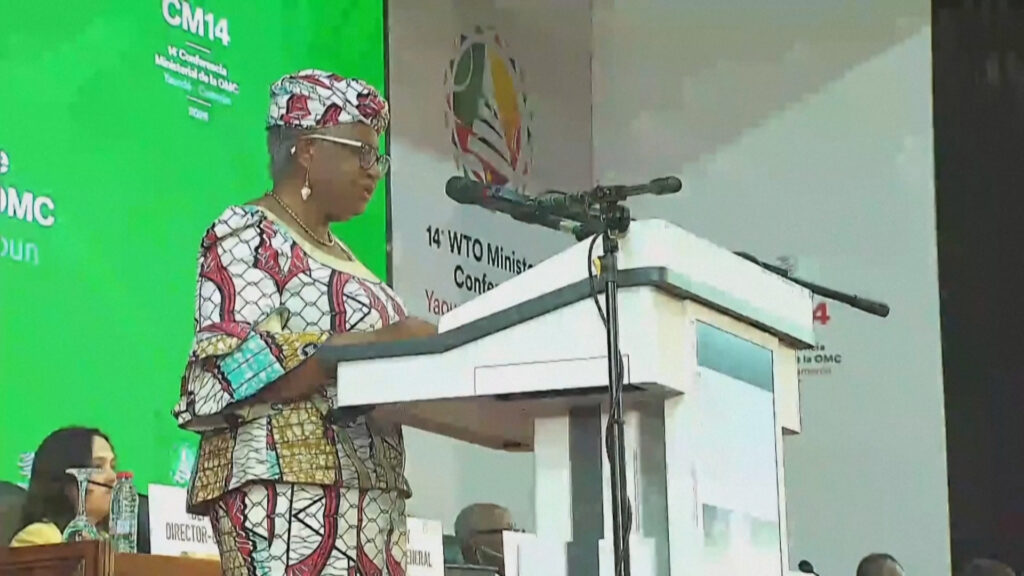
The World Trade Organization (WTO) has issued a stark warning that the world is currently experiencing the worst disruption to global trade in over 80 years. At the forefront of this alarming announcement is WTO Director-General Ngozi Okonjo-Iweala, who emphasized that the existing global trade order has undergone profound and permanent transformation.
In a recent statement, Okonjo-Iweala highlighted the unprecedented challenges faced by international commerce, driven by a complex mix of geopolitical tensions, supply chain interruptions, and the lingering effects of the COVID-19 pandemic. These factors have collectively caused significant instability in the flow of goods, services, and investments worldwide.
“The world has changed dramatically since the formation of the WTO, and the trade landscape we once knew no longer exists,” Okonjo-Iweala remarked. “We are witnessing disruptions not seen since the era surrounding the Second World War, and the global trade order has irrevocably changed.”
Experts attribute the trade disruptions to multiple causes, including the rise of protectionist policies, trade wars, and the increasing fragmentation of the global economy. These shifts undermine the multinational trade agreements and cooperation frameworks that have historically promoted economic growth and poverty reduction.
The COVID-19 pandemic further exacerbated vulnerabilities in global supply chains, exposing the risks of overreliance on specific countries for critical products such as medical supplies, electronics, and raw materials. Many countries have since sought to diversify their supply chains and bolster domestic industries to enhance resilience.
Geopolitical tensions, particularly between major powers like the United States and China, have led to tariffs, sanctions, and barriers that disrupt traditional trading patterns. The ongoing conflicts and regional instability also play a role by creating uncertainty and discouraging investment.
The WTO is urging member countries to collaborate on restoring trust in the multilateral trading system. Okonjo-Iweala called for renewed commitment to dialogue, compromise, and reforms aimed at revitalizing global trade governance.
“We need to work together to build a more resilient, inclusive, and sustainable trade system that benefits all nations,” she said. “Failure to do so risks prolonged economic stagnation, increased inequality, and geopolitical conflict.”
The WTO’s call to action comes amid growing concerns about global economic recovery amid inflationary pressures, energy challenges, and climate change risks. The organization advocates for policies that promote open markets, digital trade facilitation, and environmental sustainability as key pillars for future growth.
Looking ahead, the WTO plans to intensify efforts to address key issues such as intellectual property rights, trade-related environmental measures, and equitable access to vaccines and technology. It also seeks to enhance support for developing and least-developed countries to integrate more effectively into the global economy.
In summary, the WTO’s warning underscores the critical juncture at which global trade currently stands. Stakeholders worldwide must confront the realities of a transformed trade landscape and cooperate earnestly to avoid further deterioration and to harness opportunities for shared prosperity in a volatile world.