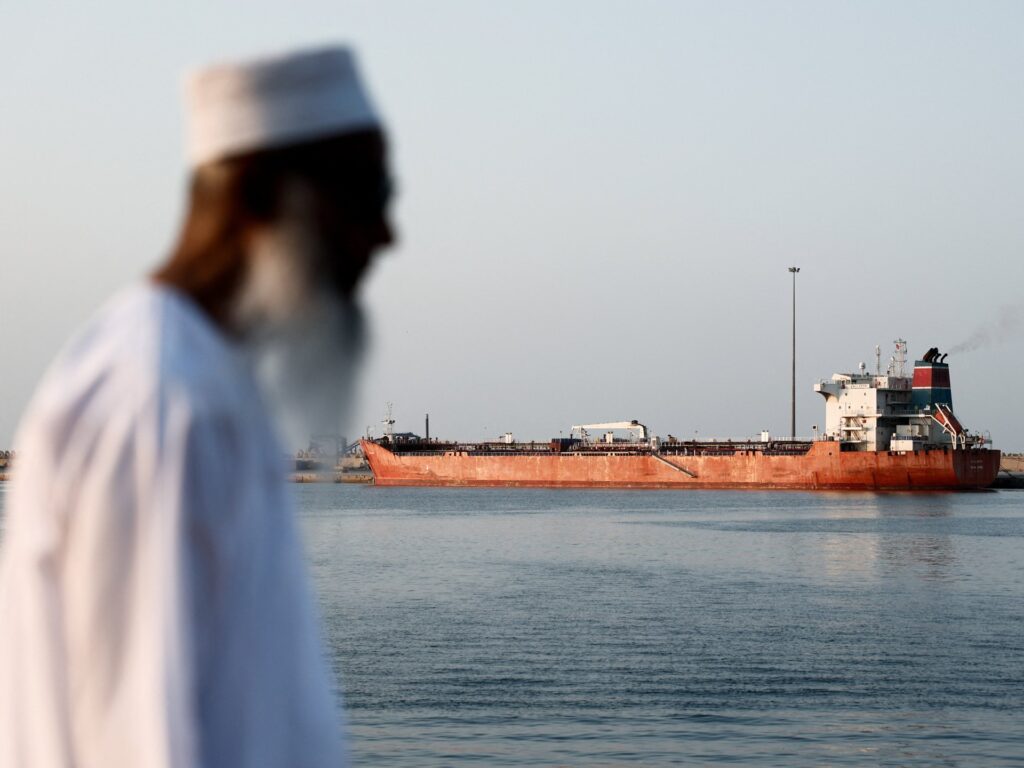
The Strait of Hormuz is one of the world’s most strategically important chokepoints for global oil and gas shipments. Approximately 20 percent of the world’s oil and liquefied natural gas (LNG) supplies pass through this narrow waterway, making it vital for international energy markets. Iran, situated on the northern shore of the strait, has significant control over the passage of vessels through this key maritime corridor.
Iran has at times used its geographic position to influence global energy flows by blocking or restricting the passage of vessels, especially those carrying oil and LNG. This control allows Tehran to exert political and economic pressure on other countries, particularly in times of heightened geopolitical tensions. The ability to regulate shipping through the Strait of Hormuz effectively grants Iran a strategic ‘tollbooth’ role in global energy transit.
The tightening of Iran’s control is often a response to international sanctions or political conflicts. By blocking passage or threatening to do so, Iran signals its ability to disrupt global oil supplies, which can lead to significant price volatility. These actions not only impact countries dependent on Middle Eastern oil but also reverberate throughout global markets.
Iran’s management of the Strait involves complex decisions about who can pass and who cannot. It often reflects Tehran’s broader geopolitical aims and alliances, balancing acts between demonstrating power and avoiding outright conflict. Vessels flagged by countries hostile to Iran or involved in enforcing sanctions against it are more likely to face restrictions.
This strategy also serves as a message to global powers and regional adversaries, highlighting Tehran’s ability to impact global energy security. The international community, including naval forces from countries like the United States, maintains a presence in the area to ensure the strait remains open and secure for navigation.
While Iran’s stance on controlling the Strait of Hormuz can cause instability, it is also a demonstration of how geography and politics intertwine in global energy supply chains. The region remains a focal point for international diplomacy, security concerns, and energy market dynamics.
Given Iran’s potential to block a significant portion of the world’s oil and LNG supplies, stakeholders must closely monitor developments in this vital waterway. Any disruption could have far-reaching effects on global energy prices and geopolitical stability.
In summary, Iran’s control over access through the Strait of Hormuz functions as a critical instrument of power, enabling Tehran to act as a de facto tollbooth for a substantial share of the world’s energy supplies. This control underscores the geopolitical significance of the region and the delicate balance required to maintain global energy security amidst ongoing tensions.